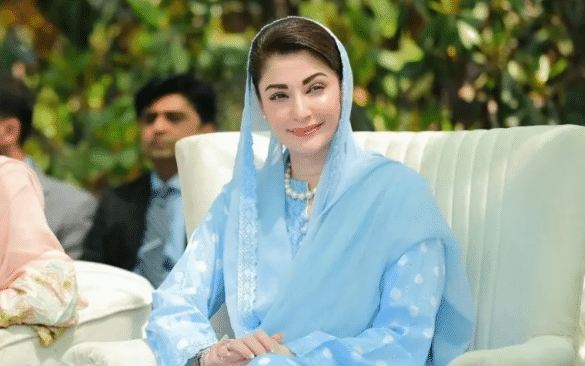
Interior Minister Mohsin Naqvi has pledged that the proposed renovation of Fatima Jinnah Park, commonly known as F-9 Park, will preserve its existing trees and natural environment.
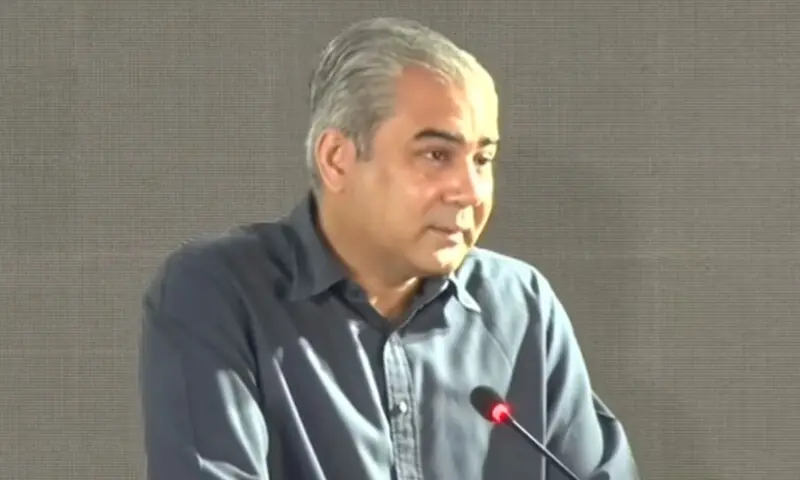
The assurance came after environmental activist and schoolteacher Usman raised concerns about the development plans in a video shared on Instagram.
Naqvi had announced on October 21 that the government intended to revamp F-9 Park along the lines of London’s Hyde Park and develop four additional parks in Islamabad.
Responding to Usman’s concerns in a post on X, Naqvi said, “Let me make it absolutely clear that not a single tree will be cut, 100% guaranteed. No new concrete structures.”
New Facilities and Thousands of Trees Planned
According to Naqvi, the proposed improvements at F-9 Park will focus on making the recreational space greener, safer and more accessible for families and visitors.
The planned upgrades include better lighting, a lake, coffee shops and improved walkways. The government also intends to plant thousands of additional trees to enhance the park’s greenery.
“Our only goal is to make F-9 Park greener, safer, more beautiful, and more enjoyable for families and visitors,” Naqvi said, describing the park as a place of special importance to Islamabad’s residents.
The minister’s statement seeks to address concerns that the renovation could lead to tree removal or the construction of large concrete structures within the park.
Further details about the project’s design, implementation schedule and environmental safeguards have not been provided in the announcement.
Environmental Activist Highlights Importance of F-9 Park
In his video, Usman emphasised the park’s environmental importance, noting that it covers approximately 400 acres and plays a role in maintaining Islamabad’s green cover.
He also highlighted the park’s potential contribution to groundwater replenishment, claiming that around 2.45 billion litres of rainwater fall over its area annually and are absorbed into the ground.
Urging authorities to prioritise conservation over construction, he called for more tree planting and greater diversity in tree species to improve greenery and air quality.
“Please do not develop it for the sake of development,” he said.
Usman also cautioned against introducing large structures that could change the park’s character, arguing that increasing tree cover would better serve the needs of residents and future generations.
Can Islamabad Afford an Electric Future? EV Transition Hinges on Cost and Charging Infrastructure
Previous Tree-Cutting Controversy in Islamabad
The latest exchange comes amid ongoing debate over the removal of trees across Islamabad.
The Capital Development Authority (CDA) previously removed more than 29,000 paper mulberry trees as part of an operation aimed at addressing pollen allergies. The campaign affected several locations, including F-9 Park, Shakarparian and residential sectors of the capital.
The authority said the removal was carried out on scientific and legal grounds and that the trees would be replaced with indigenous species considered more suitable for the local environment.
However, the operation drew criticism from environmental advocates and residents, who questioned the removal of mature trees and raised concerns about the impact of development projects on Islamabad’s green spaces.
In a February response to the Islamabad High Court, the Ministry of Climate Change said prior approval was mandatory for tree cutting and raised concerns about whether the required consultation with environmental authorities had taken place.
F-9 Park Previously Affected by Tree Removal
Fatima Jinnah Park has also been directly affected by earlier tree-cutting operations.
The CDA previously told the Supreme Court that approximately 7,000 paper mulberry trees had been removed from designated areas of F-9 Park in 2024. The authority said the operation was intended to reduce pollen allergies and would be followed by replantation.
The history of tree removal has made environmental protection a key concern for residents and conservation advocates as the government considers further improvements to the park.
Focus on Greener Urban Development
Naqvi’s assurance has placed the preservation of existing trees at the centre of the proposed renovation. The plan also highlights the challenge of improving public recreational facilities without compromising green spaces that provide environmental and social benefits.
The project’s success will depend on how the proposed facilities are implemented, whether existing trees are protected as promised, and how effectively additional plantation contributes to the park’s long-term environmental health.
For Islamabad’s residents, F-9 Park remains an important public space, and the government’s commitment to preserving its greenery will be closely watched as further details of the renovation emerge.