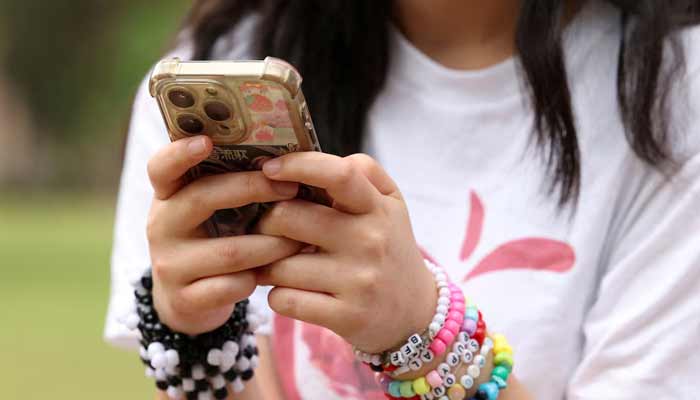
New Zealand is preparing to introduce legislation that would prevent children under the age of 16 from using social media platforms, Prime Minister Christopher Luxon said on Monday.
Under the proposed bill, social media companies would be required to take reasonable measures to verify the ages of their users. These measures could include checking existing account information, using facial recognition technology and accepting digital identity documents.
Platforms that fail to comply could face significant financial penalties, with fines potentially reaching 10% of their global revenue.
Luxon said the government believed stronger action was necessary to protect young people from potential harms associated with social media.
“We simply cannot accept the harm being done to a generation of New Zealand children,” he said.
Government Raises Concerns Over Children’s Online Safety
Luxon argued that social media can expose children to harmful content, addictive technologies and pressures they may not yet be equipped to handle.
According to the prime minister, excessive or inappropriate social media use can affect several aspects of young people’s lives, including family relationships, mental health, sleep and education.
The proposed restrictions are therefore intended to create an additional layer of protection for children while placing greater responsibility on technology companies to prevent underage users from accessing their platforms.
However, the government acknowledges that enforcing such a restriction would be challenging.
Luxon said it would not be possible to prevent every child from accessing social media because some young users could find ways around age restrictions. Nevertheless, he argued that the potential benefits made the proposal worth pursuing.
Coalition Partner Opposes the Proposal
The legislation faces a significant political hurdle because one of Luxon’s coalition partners, New Zealand First, has said it will not support the bill.
New Zealand First leader Winston Peters, who also serves as foreign minister, expressed concerns about the proposed legislation and warned that it could put the country on a problematic path.
Peters also pointed to Australia’s experience with similar restrictions, arguing that the policy had been unsuccessful.
He said keeping children away from social media should primarily be the responsibility of parents rather than being enforced through legislation.
As a result, it remains uncertain whether the proposed bill can secure enough support to pass through Parliament.
WATCH: Prime Minister Christopher Luxon discusses the National Party’s bill to ban social media for under-16s and set up an Australia-style online safety regulator. pic.twitter.com/vXlCHWLi8z
— William McGimpsey🇳🇿 (@TheZeitgeistNZ) August 24, 2026
Australia Already Introduced a Similar Ban
New Zealand’s proposal follows a major move by neighbouring Australia.
In December, Australia became the first country in the world to introduce a nationwide ban preventing children under 16 from using major social media platforms.
The Australian restrictions cover platforms including TikTok, YouTube, Instagram and Facebook.
The New Zealand government is now considering a similar approach, although the final details of its legislation could change during the parliamentary process.
Australia Removes 4.7 Million Underage Social Media Accounts
Debate Over Responsibility and Enforcement
The proposed ban has reignited a broader international debate over who should be responsible for protecting children online.
Supporters argue that social media companies have powerful algorithms and technologies designed to keep users engaged and should therefore do more to protect younger audiences.
Critics, meanwhile, question whether governments can effectively enforce age restrictions without creating privacy concerns or placing excessive responsibility on technology companies and families.
Luxon acknowledged that the policy would not be perfect but maintained that taking action was preferable to doing nothing.
The proposal will now face parliamentary scrutiny, with its future likely to depend on whether the government can secure sufficient political support for the legislation.