A rare combination of extreme weather events has unfolded across North America, with snowfall in Alaska, destructive tornadoes in Wisconsin, and Hurricane Genevieve intensifying into a powerful Category 5 storm in the eastern Pacific.
The unusual mix of weather conditions emerged during the final week of July, highlighting the continent’s diverse climate zones and the simultaneous impact of multiple severe weather systems.
Alaska under rare July snowfall advisory
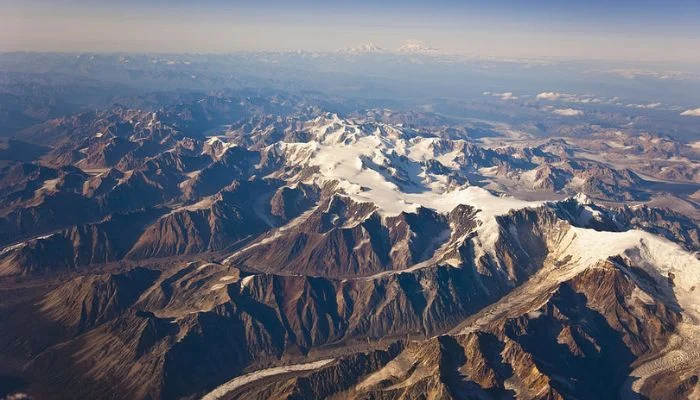
The US National Weather Service (NWS) issued a winter weather advisory for Alaska’s Arctic interior, warning that parts of the Central Brooks Range, including the Dalton Highway, could receive 5 to 15 centimetres (2 to 6 inches) of snowfall.
Forecasters said the heaviest snowfall is expected in higher elevations, where colder temperatures can produce wintry conditions even during the peak of summer.
Meteorologists noted that while July snowfall may appear unusual, it is not uncommon in the high-altitude regions of the Brooks Range, whose peaks extend above the Arctic Circle and frequently experience below-freezing temperatures.
Tornado damages communities in Wisconsin
Meanwhile, a tornado struck the Fox Valley region of northeastern Wisconsin, causing damage to homes, businesses and infrastructure.
The storm also disrupted electricity supplies, leaving more than 30,000 customers without power as emergency crews worked to restore services and assess the damage.
Authorities continued evaluating the full extent of the destruction while urging residents to remain cautious.
Hurricane Genevieve reaches Category 5 strength
Off the Pacific coast, Hurricane Genevieve rapidly strengthened into the first Category 5 hurricane of the 2026 eastern Pacific season.
According to weather officials, the storm reached maximum sustained winds of approximately 260 km/h (160 mph) over open waters.
Although the hurricane remained far offshore, forecasters continued to monitor its movement closely for any potential impacts on coastal regions.
Multiple climate extremes at once
Weather experts said the three events developed independently but illustrate how different parts of North America can experience dramatically different weather conditions at the same time.
While Alaska dealt with wintry conditions, parts of the US Midwest faced severe storms, and the eastern Pacific saw one of the strongest tropical cyclones of the year.
Authorities have advised residents in affected areas to stay updated through official weather alerts and follow local emergency guidance.