ISLAMABAD: The federal government has announced a new four-year Hajj Policy (2027–2030), allowing intending pilgrims to choose their preferred Hajj year in advance through a transparent digital registration and waiting list system.
Federal Minister for Religious Affairs Sardar Muhammad Yousuf said the policy is designed to modernise Hajj arrangements by promoting transparency, digital governance, accountability and improved services for pilgrims.
Pilgrims can select their Hajj year
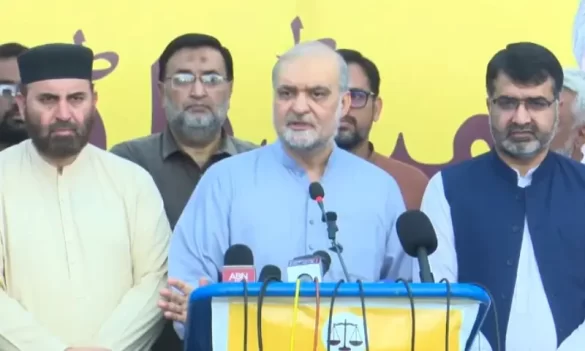
Addressing a press conference in Islamabad, the minister said that, for the first time, applicants will be able to register for the Hajj year of their choice by depositing an estimated 10% of the Hajj expenses at the time of registration.
He described the initiative as a major step towards long-term reforms in Hajj management.
“This is not only a policy but the beginning of fundamental and lasting reforms in Hajj arrangements,” the minister said.
Fully digital Hajj process
According to the minister, every stage of the Hajj journey—from registration and selection to grievance redressal and post-Hajj evaluation—will be managed through a fully digital system.
Pilgrims will be selected on a first come, first served basis using a transparent digital waiting list.
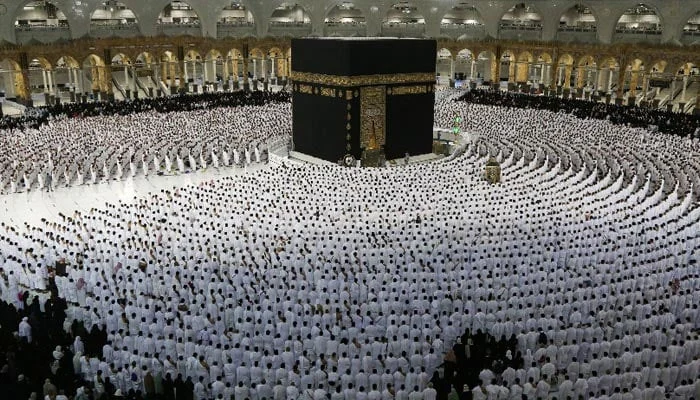
Hajj Sermon Calls for Patience, Unity, and Devotion as Millions Gather at Arafat
Government and private Hajj quotas unchanged
Sardar Yousuf said the existing quota distribution will remain in place throughout the 2027–2030 policy period unless revised by the federal cabinet.
- Government Hajj Scheme: 60%
- Private Hajj Scheme: 40%
He added that the government’s role will gradually shift from directly managing Hajj operations to serving as a regulator, monitor and quality assurance authority, while increasing private-sector participation.
Multiple Hajj packages to be introduced
The new policy also proposes multiple Hajj packages with varying durations under the Government Hajj Scheme, allowing pilgrims to choose an option that best suits their budget and travel requirements.
The minister said longer-term contracts of three to four years could be signed for accommodation, transportation, catering, air travel and cargo services, which are expected to improve service quality and help reduce operational costs.
Transparent procurement and independent review
Sardar Yousuf said all procurement and service contracts in both Pakistan and Saudi Arabia would be awarded transparently in accordance with government procurement rules.
He also announced that any unspent Hajj funds remaining after the completion of operations would be refunded to pilgrims.
To ensure continuous improvement, both government and private Hajj operations will undergo independent third-party evaluations, while private Hajj companies will be assessed based on service quality and compliance with prescribed standards rather than quota allocation alone.