ISLAMABAD/TEHRAN: Pakistan and Iran have discussed reopening the Strait of Hormuz and accelerating efforts to bring the ongoing Iran-US conflict to an end, according to the Inter-Services Public Relations (ISPR).
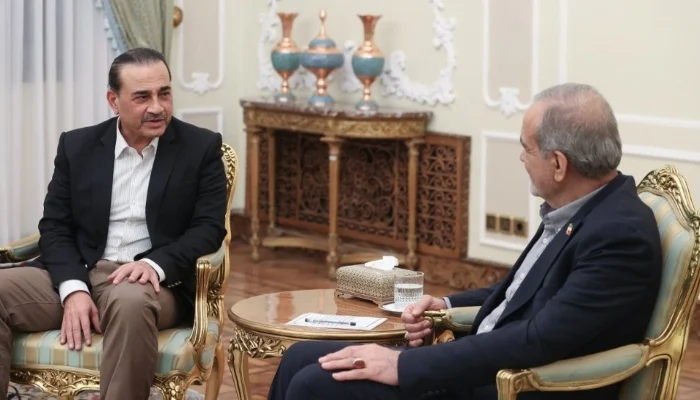
The discussions took place during Chief of Defence Forces and Chief of Army Staff Field Marshal Syed Asim Munir’s visit to Tehran, where he held meetings with senior Iranian political and military leaders.
According to the ISPR, the discussions focused on preventing further escalation, reopening the strategically important Strait of Hormuz and seeking an expedited end to the conflict. Both sides also exchanged views on regional peace and possible ways to reach a negotiated settlement.
Meetings with Iran’s Top Leadership
During his visit, Field Marshal Asim Munir met Iranian President Masoud Pezeshkian, Supreme Leader’s representative on the Supreme National Security Council Mohsen Rezaei, Parliament Speaker Bagher Ghalibaf, Foreign Minister Abbas Araghchi and Interior Minister Eskandar Momeni.
The meetings were part of Pakistan’s continuing diplomatic efforts to help reduce tensions in the Middle East and break the deadlock surrounding the Iran-US conflict.
The ISPR said the discussions covered regional peace, the prevention of further escalation and efforts to find a negotiated settlement to the dispute. Iranian leaders also acknowledged Pakistan’s efforts to facilitate dialogue and support diplomatic engagement.
Naqvi Says Pakistan Made ‘Significant Progress’
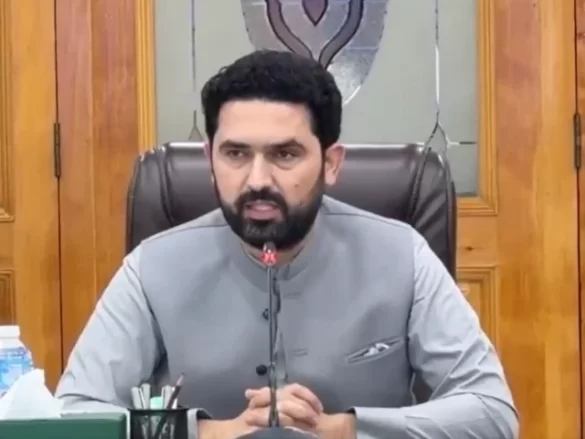
Interior Minister Mohsin Naqvi, who accompanied Field Marshal Munir during the visit, said Pakistan had made significant progress in its efforts to help end the Iran-US conflict.
In a post on X, Naqvi described the meeting with President Pezeshkian as very positive and productive. He said the discussions focused on the conflict, wider tensions in the Middle East and the way forward for restoring peace.
According to Naqvi, the two sides also discussed the steps required to restore the Islamabad Memorandum of Understanding (MoU), which is aimed at achieving a comprehensive settlement of the conflict.
He said President Pezeshkian candidly shared his government’s perspective and concerns, while both sides engaged in a constructive exchange of views.
Naqvi added that the meeting ended on a highly positive note and expressed hope that the current diplomatic momentum would help pave the way for further progress and lasting peace in the region.
Pakistan’s Mediation Efforts
Pakistan has emerged as an important mediator between Tehran and Washington since the conflict began following US and Israeli strikes on Iran on February 28.
Islamabad helped broker a two-week ceasefire between the two sides on April 8, temporarily halting six weeks of fighting. Since then, Pakistan has continued to facilitate communication and relay messages between Washington and Tehran.
Field Marshal Munir’s visit to Iran is part of these wider diplomatic efforts to prevent another escalation and encourage a return to negotiations.
Why the Strait of Hormuz Matters
The Strait of Hormuz is one of the world’s most important maritime routes and serves as a key passage for oil and energy exports from the Gulf to international markets.
Any disruption or prolonged closure of the strategic waterway could affect global energy supplies and oil prices. As a result, reopening the strait has become a major issue in discussions aimed at reducing regional tensions.
CDF Munir Heads to Tehran as Iran Threatens to Halt Gulf Oil Trade Over US Sanctions
The talks between Pakistan and Iran therefore focused not only on the immediate conflict but also on the wider economic and security implications of continued instability in the region.
New US Sanctions Draw Strong Iranian Response
The visit came as Washington announced an expanded round of sanctions against Iran, aimed at increasing economic pressure on Tehran.
US Treasury Secretary Scott Bessent said the measures were intended to restrict Iran’s economic lifeline. The United States also announced sanctions against 60 individuals, entities and vessels, although the list did not include Chinese financial institutions suspected of facilitating Iran’s oil trade.
Bessent said countries continuing to trade with Iran could face serious consequences, including possible restrictions affecting access to the dollar-based financial system. However, he did not identify the countries that could be targeted or specify when additional penalties might take effect.
Iran responded strongly to the new measures. Economy Minister Ali Madanizadeh said Tehran was prepared to deal with the sanctions and would not remain passive in the face of what he described as economic pressure.
Iranian officials have also expressed confidence that major trading partners, including China and Russia, would resist Washington’s pressure campaign.
A Sensitive Moment for Regional Diplomacy
Pakistan’s latest diplomatic engagement comes at a particularly sensitive time for the Middle East. While Islamabad sees progress in its efforts to facilitate dialogue, the renewed sanctions and strong rhetoric from Tehran highlight the continuing risk of further escalation.
For now, Pakistan is continuing its efforts to encourage a negotiated settlement, reduce tensions and support the restoration of regional stability.
Whether the recent discussions in Tehran lead to further diplomatic breakthroughs, however, will depend on the willingness of all sides to engage in meaningful dialogue and move away from confrontation.