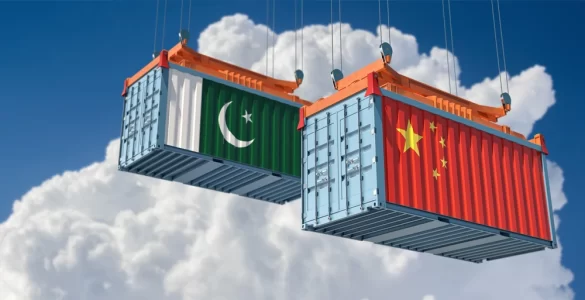
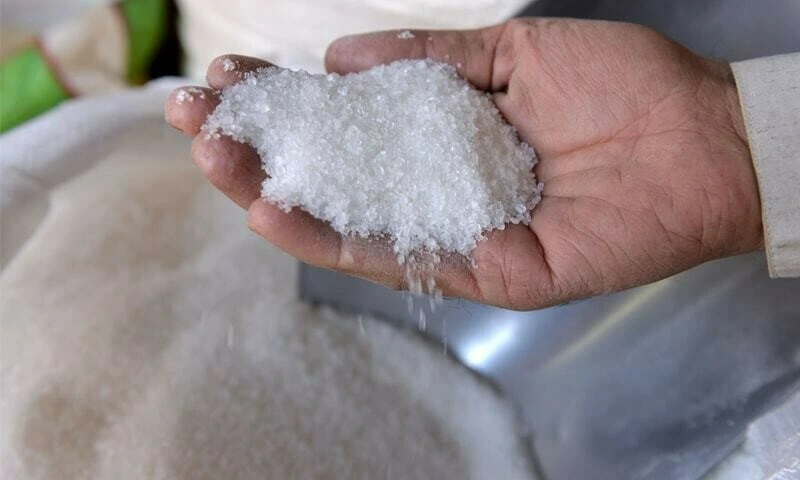
Pakistan’s sugar industry has urged the federal government to reopen land routes for sugar exports and expedite cabinet approval for shipping 416,000 tonnes of surplus sugar, as millers seek to improve the industry’s financial position and clear excess stocks.
Pakistan Sugar Mills Association (PSMA) Chairman Asim Ghani Usman made the request during a press conference in Lahore, welcoming the government’s decision to deregulate the sugar sector.
He said the Economic Coordination Committee (ECC) had already approved the export of 416,000 tonnes of sugar, but shipments required further approval from the federal cabinet. He urged the government to complete the process promptly and restore land-based export routes so that deliveries could begin without further delays.
Millers Highlight Benefits of Sugar Exports
Usman said allowing sugar exports would improve the cash flow of sugar mills, help ensure timely payments to sugarcane growers and generate valuable foreign exchange for Pakistan.
He also claimed that the sugar industry had already paid 99 per cent of its outstanding dues to farmers.
According to the PSMA chairman, reopening export routes would help the industry move surplus stocks into international markets while supporting the financial requirements of sugar mills.
Industry Reports 800,000 Tonnes of Surplus Sugar
PSMA Senior Vice Chairman Muhammad Rafiq said approximately 800,000 tonnes of surplus sugar remained available even after the latest export permission.
He argued that additional export approvals were necessary because another production cycle was expected to begin soon, potentially adding further pressure on existing stocks.
Rafiq also defended the government’s deregulation policy, saying it included necessary checks and balances while creating a pathway towards fully deregulating the sugar industry within three years or less.
He said provincial governments had already taken an important step by deregulating sugarcane prices two years ago, allowing market conditions to play a greater role in determining returns for growers.
Pakistan Approves Export of 416,000 Tonnes of Sugar Despite Unmet IMF Condition
PSMA Rejects Concerns Over Rising Sugar Prices
Addressing concerns that deregulation could lead to higher sugar prices for consumers, Rafiq argued that improved market prices could also benefit sugarcane farmers by providing them with better returns for their crops.
The association maintains that a more market-oriented system would improve the relationship between sugar producers, millers and growers.
Former PSMA chairman Zaka Ashraf also welcomed the government’s decision, saying deregulation had remained a longstanding demand of the sugar industry but its implementation had been delayed for years.
He expressed appreciation for the government’s move to introduce the policy.
Government Retains Control Over Sugar Exports
The government’s recently approved sugar-sector deregulation policy does not immediately remove all restrictions on exports.
Under the new framework, sugar exports will continue to require federal government permission, while a review mechanism will assess production, domestic consumption and available stocks before recommending export or import decisions.
The Economic Coordination Committee’s approval of 416,000 tonnes is part of the government’s broader efforts to manage surplus stocks while maintaining adequate domestic supplies.
The latest demand from sugar millers highlights the industry’s push for faster export approvals and restored land routes as Pakistan prepares for another sugar production season.
Editorial Source Note: Based on The Express Tribune’s report published on November 28, 2026, including statements from Pakistan Sugar Mills Association representatives. Additional policy context was cross-checked against Dawn’s reporting on the National Policy for Deregulation of the Sugar Sector.