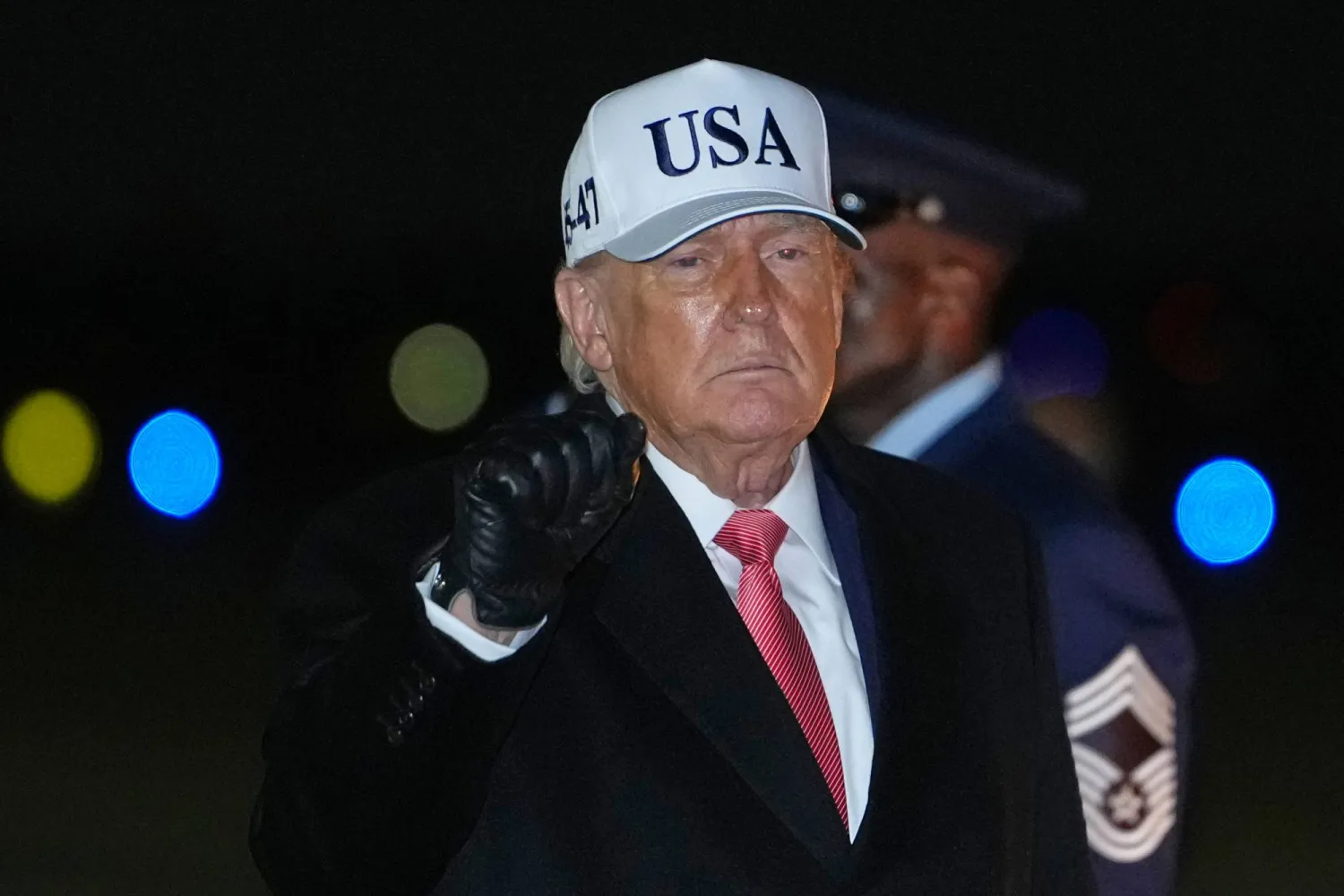
The administration of US President Donald Trump has revoked more than 300,000 visas since he returned to office in January 2025, the US State Department said on Tuesday, highlighting the scale of its ongoing immigration enforcement drive.
The latest figure represents a significant increase from the more than 175,000 visa revocations reported by the department in an update issued on August 10.
The administration has defended the measures as necessary to strengthen domestic security and enforce immigration laws. However, civil rights advocates have raised concerns about the impact on immigrants, foreign students and visitors, particularly those whose political opinions have drawn government scrutiny.
State Department Defends Visa Revocations
Announcing the latest figure on social media platform X, State Department spokesperson Tommy Pigott said the administration had revoked visas at a faster rate than any previous administration.
Pigott said the government had “zero tolerance for foreigners here on visas who break the law, commit fraud, or undermine our national security.”
The statement reflects the administration’s position that visa holders who violate US laws or pose national security concerns should face immigration consequences.
The State Department did not provide a detailed breakdown of the more than 300,000 revocations in its announcement.
Pro-Palestinian Activists Among Those Targeted
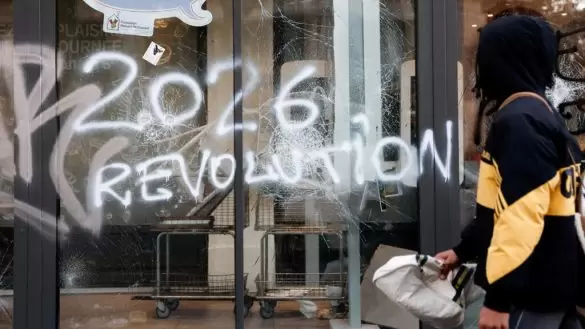
Some visa revocations have drawn particular criticism from rights advocates, including cases involving foreign nationals who participated in pro-Palestinian demonstrations against Israel’s military campaign in Gaza.
Advocates have also condemned actions against foreign nationals over social media comments concerning the assassination of conservative commentator Charlie Kirk.
The Trump administration has pursued deportation measures against some foreign protesters while expanding social media screening for immigrants and visa applicants.
Critics argue that these measures risk penalising individuals for their political expression and could discourage lawful protest.
The administration, however, maintains that immigration enforcement and national security considerations justify its actions.
Rights Groups Raise Due Process Concerns
Civil rights advocates have warned that the broader immigration crackdown could undermine due process protections and freedom of expression.
They have also expressed concern that enforcement measures could create an increasingly hostile environment for ethnic minorities and immigrant communities, including through potential racial profiling.
In Minnesota, rights advocates have accused the administration of using national security arguments and individual fraud cases to justify broader scrutiny of the Somali American community.
These criticisms come as immigration enforcement has expanded beyond efforts to curb unauthorised entry into the United States.
US Court Strikes Down Immigrant Visa Suspension Affecting Pakistan, 74 Other Countries
Legal Immigration Also Faces Tighter Restrictions
Although Trump campaigned in 2024 on a promise to stop illegal immigration, his administration has also introduced measures affecting people seeking to enter or remain in the country through legal channels.
These include plans to impose substantial fees on certain employment-based visa categories, potentially increasing the financial burden on employers and foreign workers.
The administration has also expanded scrutiny of visa applicants’ online activity, making social media checks a more prominent part of immigration screening.
Immigration Crackdown Continues
The announcement of more than 300,000 visa revocations underscores the scale of the administration’s immigration policy during its second term.
Supporters argue that tougher enforcement is necessary to protect national security and ensure compliance with US immigration laws. Critics contend that the measures risk restricting lawful immigration and targeting individuals over their political views.
The latest figures do not specify how many revocations involved alleged criminal activity, immigration violations, fraud or national security concerns.
The extent to which the measures will affect future visa applications and legal immigration remains a significant issue for foreign nationals, employers and rights advocates.