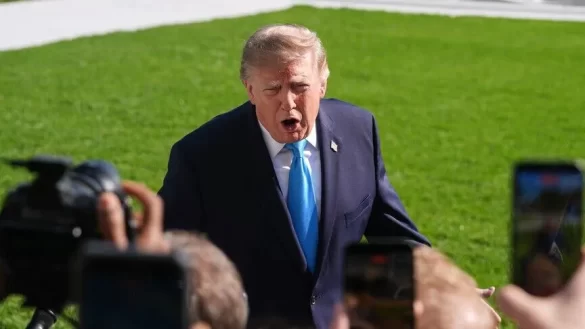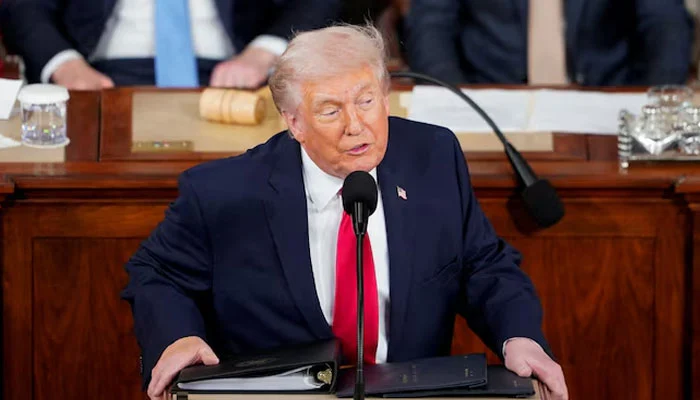
WASHINGTON: US President Donald Trump is facing increasing resistance from within his own Republican Party in Congress, as several lawmakers break ranks over foreign policy decisions, budget allocations, and key political nominations ahead of the upcoming midterm elections.
Although Trump has historically maintained strong influence over the Republican Party, recent votes and public statements suggest growing unease among some Republican senators and House members over his policy direction and legislative priorities.
Republican Lawmakers Question Iran Policy and Spending Plans
Over the past week, multiple Republican factions in both chambers of Congress have openly challenged aspects of Trump’s agenda, particularly his approach toward the ongoing conflict involving Iran.
Lawmakers have also opposed proposed funding measures linked to the White House, including a $1 billion allocation for a presidential ballroom project and a separate $1.8 billion “anti-weaponisation” fund, which critics argue lacks transparency and oversight.
In addition, the House of Representatives passed legislation providing aid to Ukraine and imposing new sanctions on Russia—an outcome that appears likely to face a presidential veto, further highlighting the widening gap between the White House and some Republican legislators.
Growing Frustration Within the Republican Party
While Republicans and Democrats alike have downplayed the idea of a full-scale rebellion, several party members have acknowledged increasing tension within GOP ranks.
Republican Senator Thom Tillis noted that lawmakers are becoming more responsive to their constituents as elections approach, suggesting that political pressure is shaping voting behavior in Congress.
US and Iran Exchange Fresh Strikes as Gulf Tensions Escalate
At the same time, some Democratic lawmakers argue that the dissent does not represent a meaningful shift in control over the party. Senator John Fetterman stated that most of those breaking with Trump are individuals already politically distanced from his core influence, reinforcing the view that Trump still holds significant sway over Republican politics.
A White House official, speaking anonymously, attributed the recent resistance to “election-year politics,” suggesting that not all lawmakers are willing to bear the political cost of supporting every administration initiative.
Policy Disputes and Legislative Tensions
Tensions reportedly escalated following Trump’s opposition to certain Republican Senate efforts, including decisions that affected immigration enforcement funding and internal legislative negotiations. Some Republican aides described these moments as a “perfect storm,” contributing to frustration among party members.
Despite disagreements, the Senate ultimately approved a related immigration funding bill, though concerns remain among some Republicans about how such funds could potentially be used in politically sensitive contexts.
Meanwhile, Trump continues to push forward with key personnel nominations, including efforts to appoint loyalists to senior intelligence and justice positions. However, several Senate Republicans have signaled reservations about certain nominees, particularly regarding qualifications and independence.
Senator Mitch McConnell has already indicated he would not support any nominee who fails to meet established experience standards, underscoring the potential for further confirmation battles.
Looming Political Tests Ahead of Midterms
Looking ahead, additional confrontations are expected as the administration prepares new nominations and policy proposals. One of the most closely watched developments will be the expected nomination of Trump’s former attorney Todd Blanche for a senior Justice Department role, which could face scrutiny in the Senate Judiciary Committee.
As midterm elections approach, analysts suggest that Republican lawmakers may continue to balance party loyalty with electoral considerations, potentially leading to further internal divisions.
While the scale of opposition remains limited, the recent series of congressional challenges indicates a notable shift in the traditionally unified Republican stance toward the president’s agenda.