The United States and Iran exchanged military strikes for the 10th consecutive night, further escalating tensions in the Middle East as both sides targeted military assets and strategic infrastructure.
According to AFP and Reuters, the latest exchange of attacks has raised fears that the conflict could expand beyond the Gulf, particularly after Yemen’s Houthi movement threatened to impose a blockade on Saudi ports.
The renewed hostilities come as diplomatic efforts continue behind the scenes, although fighting between the two countries has shown little sign of easing.
Iran Targets US Military Assets
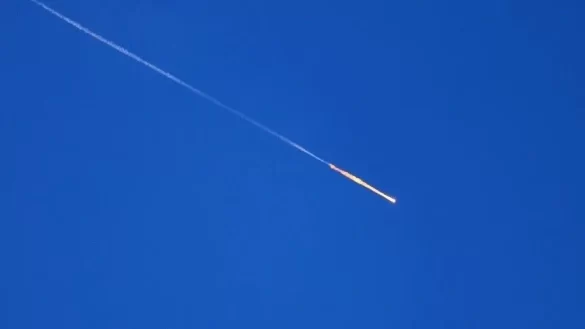
Iran said it launched attacks on US radar and air defence installations in the Gulf, warning Washington that it should expect “more decisive and powerful” missile and drone strikes if hostilities continue.
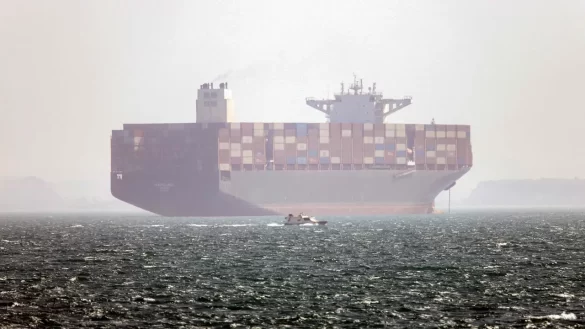
The Islamic Revolutionary Guard Corps (IRGC) also claimed responsibility for targeting two “non-compliant oil tankers” attempting to pass through the Strait of Hormuz, saying the vessels were stopped as part of efforts to tighten control over the strategic waterway.
In a separate statement carried by Iranian state media, the Guards said they had also targeted infrastructure belonging to the US company Amazon in Bahrain. However, Bahraini authorities did not immediately confirm the claim, and Reuters said it could not independently verify the incident.
US Launches New Airstrikes
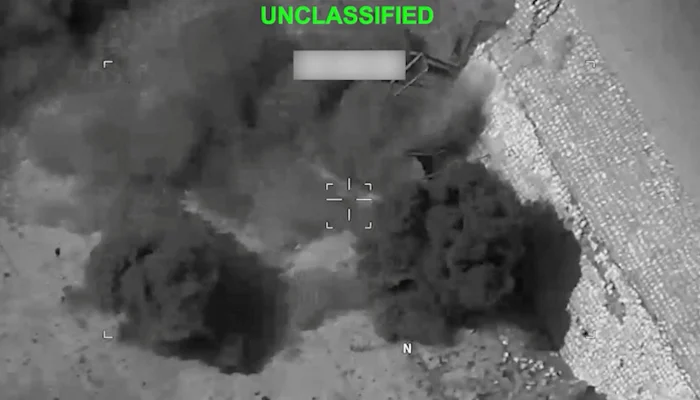
The US Central Command (CENTCOM) announced that American forces had completed another round of strikes on Iranian military targets.
According to the US military, the operation targeted command centres, missile and drone launch sites, maritime capabilities and air defence systems used by Iran.
Washington said the latest attacks were intended to further weaken Iran’s military capabilities after at least three American service members were killed in recent days.
Meanwhile, the Pentagon said around 100 US troops have been injured since July 7, with most suffering minor concussions.
Houthis Threaten Saudi Ports
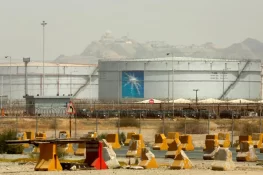
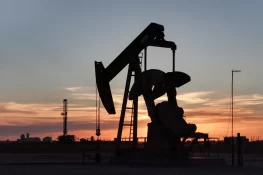
The regional crisis widened after Yemen’s Houthi movement announced plans to impose a naval blockade on Saudi ports, raising fresh concerns over global oil supplies.
If enforced, the blockade could affect Saudi Arabia’s ability to export crude oil through the Red Sea, increasing pressure on international energy markets already disrupted by tensions in the Strait of Hormuz.
Saudi Arabia strongly condemned the announcement, describing the Houthis as a “terrorist militia” and reaffirming its support for Yemen’s internationally recognised government.
Oil Markets Remain on Edge
Concerns over shipping disruptions have continued to unsettle global energy markets.
Oil prices briefly climbed to their highest level in more than a month before easing slightly, as traders assessed the impact of continued military escalation.
US-Iran Conflict Enters Ninth Day
The Strait of Hormuz remains one of the world’s most important energy corridors, handling roughly one-fifth of global oil trade during normal conditions. Any prolonged disruption could significantly affect global fuel supplies and prices.
Diplomatic Contacts Continue
Despite the ongoing fighting, diplomatic efforts have not come to a complete halt.
Iranian Foreign Ministry spokesman Esmaeil Baqaei said indirect contacts with the United States through international mediators were continuing.
Meanwhile, Iranian Interior Minister Eskandar Momeni arrived in Islamabad for a two-day visit, during which he is scheduled to meet Prime Minister Shehbaz Sharif and Chief of Defence Staff Field Marshal Syed Asim Munir to discuss regional security and bilateral cooperation.
Separately, Lebanese President Joseph Aoun is expected to meet US President Donald Trump in Washington as international efforts continue to address broader security concerns in the Middle East.
Regional Uncertainty Persists
With military exchanges entering their 10th consecutive night, analysts warn that the conflict risks drawing in additional regional actors and placing further strain on global trade and energy markets.
Although diplomatic channels remain open, the latest developments underscore the fragile security situation across the Middle East, where continued escalation could have far-reaching political and economic consequences.