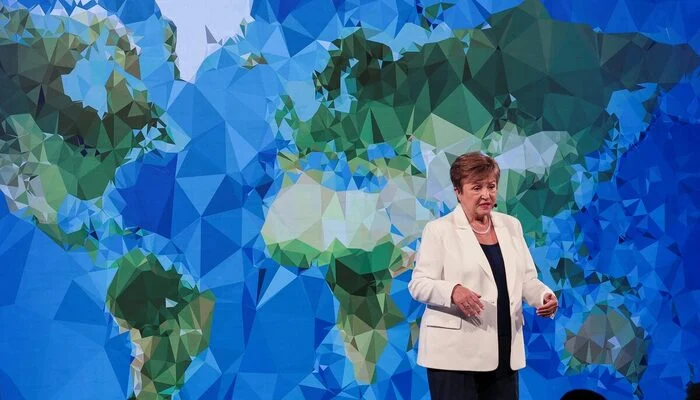
The head of the International Monetary Fund (IMF), Kristalina Georgieva, has warned that the ongoing conflict in the Middle East is putting global economic resilience to the test once again. Speaking on Thursday, she highlighted the far-reaching risks posed by the escalating war between the United States, Israel, and Iran.
Conflict Escalation and Global Impact
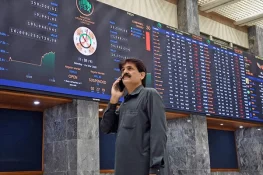
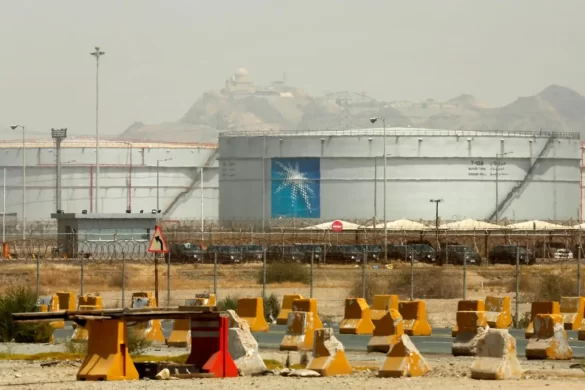
The United States and Israel began strikes against Iran on Saturday, reportedly targeting high-ranking leaders, which led to retaliatory attacks across the Gulf region. The situation has sent oil prices soaring and created volatility in financial markets worldwide.
Georgieva said during a livestream of the “Asia in 2050” conference in Bangkok:
“This conflict, if proven to be more prolonged, has obvious potential to affect global energy prices, market sentiment, growth, and inflation, and place new demands on the shoulders of policymakers everywhere.”
Economic Uncertainty and Energy Security
The IMF chief emphasised that the world is experiencing increasingly frequent and unexpected shocks. She noted:
“We are in a world of more frequent, more unexpected shocks, and we have been warning our membership for quite some time that uncertainty is now the new normal. We are potentially in a prolonged period of flux.”
Pakistan Prepares $1.3 Billion Eurobond Repayment as IMF Talks Approach
Energy security is particularly at risk for much of Asia. Markets have fluctuated sharply in recent days, reflecting the uncertainty caused by the conflict. Georgieva stressed that stabilising the situation quickly is critical.
“So the sooner we see the end of calamity, the better for the whole world,” she added.
Broader Implications
The IMF chief’s remarks underline the interconnectedness of geopolitics and global markets. A prolonged conflict in the resource-rich Gulf region could impact not only energy prices but also global growth, inflation trends, and investor confidence. Policymakers worldwide are now facing heightened pressure to mitigate economic risks amid the uncertainty.
Key Takeaway: Kristalina Georgieva’s warning highlights the fragile state of the global economy in the face of geopolitical crises. The Middle East conflict, by disrupting energy supplies and financial markets, serves as a stark reminder that economic stability remains closely tied to global security.