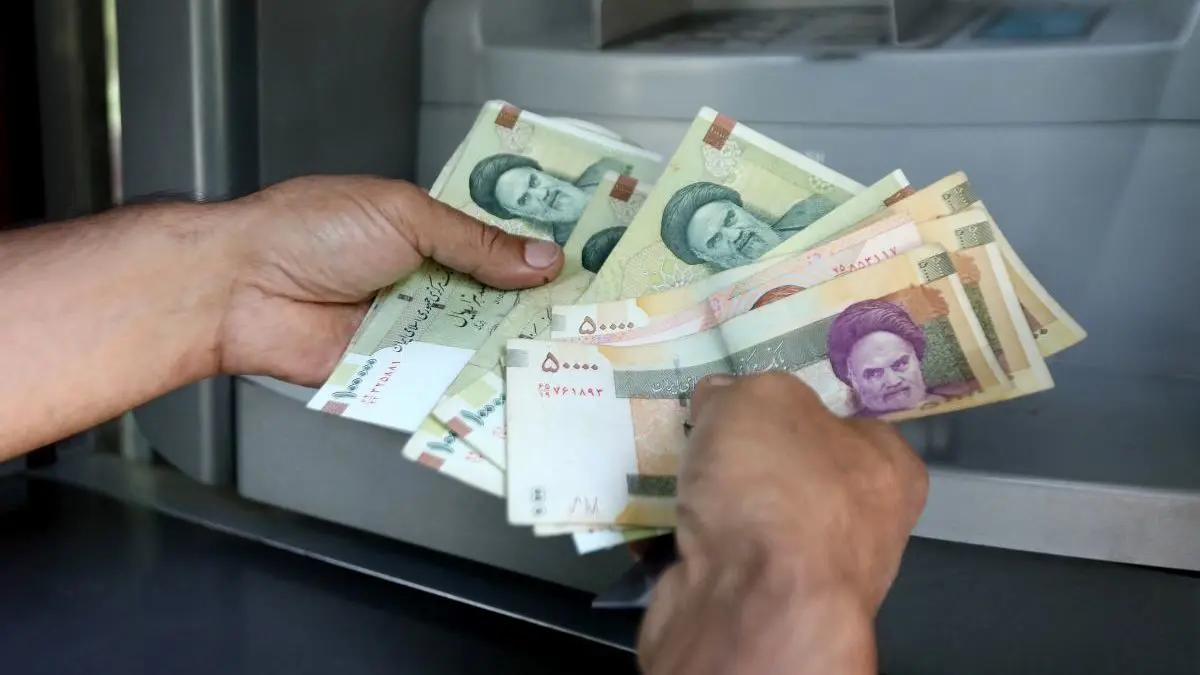
Iran’s national currency has fallen to a historic low, signaling renewed stress in the country’s financial system. According to reports, the Iranian rial dropped to around 1.8 million rials per US dollar, marking one of the weakest levels ever recorded in the open market.
Sudden Drop After Brief Stability
The decline comes after several weeks of relative calm in Iran’s free currency market. However, within just two days, the rial lost nearly 15% of its value, highlighting the volatility that continues to affect the country’s economy.
Data reported by Iranian Student News Agency showed the exchange rate reaching approximately 1,810,000 rials per dollar, while other currency tracking platforms recorded slightly lower but still alarming rates between 1,760,000 and 1,810,000 rials.
What’s Driving the Currency Weakness?
The sharp depreciation appears to be driven mainly by increased demand for foreign currencies, particularly the euro and the Emirati dirham. When people and businesses rush to convert local currency into more stable foreign currencies, it puts additional pressure on the domestic currency.
Such demand is often linked to concerns over inflation, economic uncertainty, and the need to preserve purchasing power.
What is OPEC+ and How Does It Affect Oil Prices?
Broader Economic Context
Iran’s economy has long been under strain due to a combination of factors, including international sanctions, limited access to global financial systems, and internal economic challenges.
Currency instability is a recurring issue, and sudden drops like this can have widespread effects, including:
- Rising inflation as imported goods become more expensive
- Reduced purchasing power for ordinary citizens
- Increased uncertainty in business and investment environments
Market Signals and Future Outlook
The recent plunge suggests that confidence in the rial remains fragile. Even after periods of stability, the market can quickly shift when demand for foreign currency rises.
Analysts often view such movements as indicators of deeper economic concerns, including expectations about inflation, trade conditions, and geopolitical developments.
The Iranian rial’s fall to record lows underscores the ongoing challenges facing the country’s economy. While short-term fluctuations are not uncommon, the speed and scale of this drop highlight persistent vulnerabilities. Moving forward, stabilizing the currency will likely depend on broader economic reforms and improved market confidence.