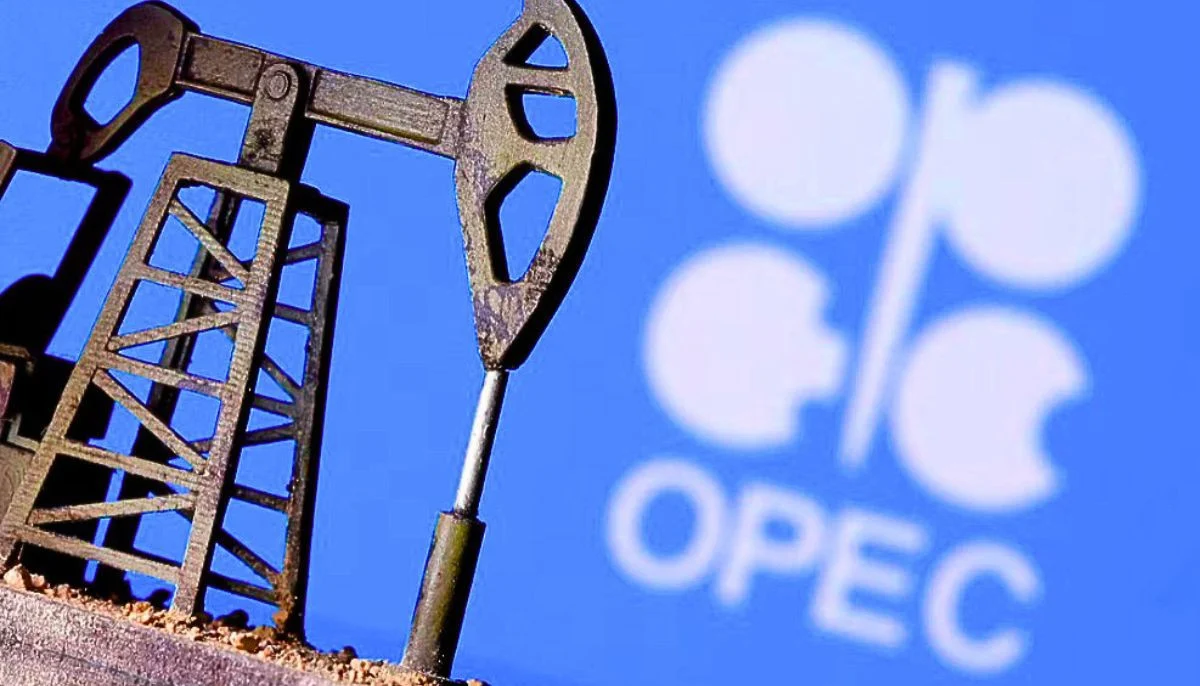
The global energy market is once again under focus after reports that the United Arab Emirates (UAE), one of the key oil producers in the OPEC+ alliance, will leave the group on May 1. This development raises important questions about OPEC+, its influence, and how it shapes global oil prices.
What is OPEC and OPEC+?
OPEC, or the Organisation of the Petroleum Exporting Countries, was founded in 1960 in Baghdad by Iraq, Iran, Kuwait, Venezuela, and Saudi Arabia. The main goal was to coordinate oil production policies and ensure stable and fair oil prices globally.
Today, OPEC includes 12 member countries, mostly from the Middle East and Africa, including Saudi Arabia, UAE, Iraq, Iran, Nigeria, and Venezuela. The UAE joined the group in 1967 and has since become one of its most important producers.
However, in 2016, OPEC expanded its influence by partnering with non-member countries like Russia, forming what is now known as OPEC+. This broader alliance controls a significant share of global oil supply.
Why OPEC+ Matters in the Global Oil Market
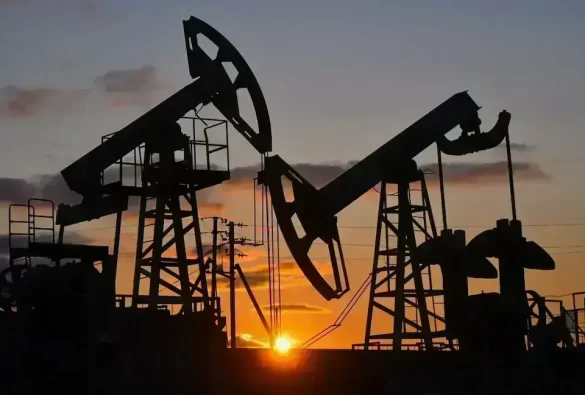
OPEC+ plays a major role in the world economy because it controls nearly half of global oil production. According to energy estimates, the group’s decisions directly influence supply levels, which in turn affect global oil prices.
When OPEC+ reduces production, oil supply decreases, often pushing prices higher. Conversely, when it increases output, prices tend to fall due to higher availability in the market.
This ability to influence supply makes the alliance one of the most powerful forces in global energy economics.
Oil Climbs, Stocks Waver as US-Iran Peace Talks Stall
UAE’s Role and Recent Changes
The UAE is one of the largest oil producers within OPEC+, producing millions of barrels per day. In recent years, however, several countries have exited the OPEC framework, including Angola, Ecuador, and Qatar. The UAE’s exit marks another major shift in the group’s structure.
The country had significant spare production capacity, which allowed it to increase output when needed, especially alongside Saudi Arabia.
How OPEC+ Affects Oil Prices
OPEC+ uses production adjustments as its main tool to stabilize markets. However, critics argue that these decisions can also influence prices in ways that benefit producers more than consumers.
For example, during the 1973 oil crisis, an OPEC-led embargo caused global fuel shortages and sharp price increases, showing how sensitive markets are to supply disruptions.
More recently, geopolitical tensions, wars, and supply chain issues have further highlighted OPEC+’s role in price fluctuations.
A Changing Global Energy Landscape
The rise of non-OPEC producers like the United States has gradually reduced OPEC’s dominance over global oil supply. Still, OPEC+ remains highly influential due to its coordinated production strategy.
As the global energy market continues to evolve, especially with the shift toward renewable energy, the role of OPEC+ is also expected to change over time.
OPEC+ remains one of the most powerful alliances in the global energy system. Its production decisions can directly impact oil prices, inflation, and even global economic stability. The UAE’s departure signals ongoing changes within the alliance, reflecting a shifting balance in global oil production and political dynamics.