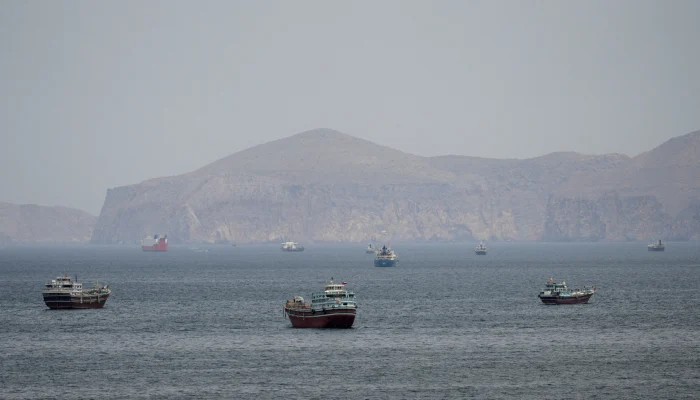
Oil shipments have begun moving again through the Strait of Hormuz, even as the United States and Iran continue high-level diplomatic exchanges aimed at ending a prolonged regional conflict.
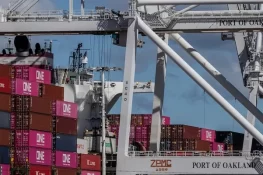
Two Chinese oil tankers carrying around 4 million barrels of crude oil reportedly passed out of the strategic waterway on Wednesday, according to shipping data cited by Reuters. The movement comes amid renewed optimism from US officials that negotiations with Tehran could soon produce a breakthrough.
Rising Diplomatic Optimism in Washington
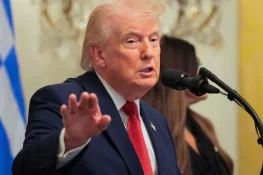
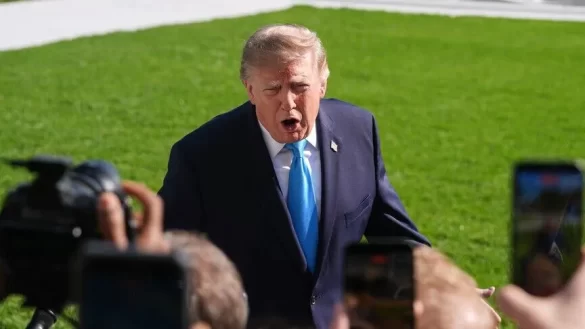
US President Donald Trump and Vice President JD Vance both suggested that talks with Iran have made progress, raising hopes of a potential agreement to end hostilities that began nearly three months ago.
Speaking to reporters, Vice President Vance said the administration was “in a pretty good spot,” while acknowledging that negotiations remain complex and politically sensitive. He noted that Iran’s internal divisions have made it difficult to clearly define a unified negotiating position.
President Trump also expressed confidence, saying Iran was under pressure to reach a deal and warning that further military escalation remained an option if talks failed.
Strait of Hormuz Remains a Strategic Flashpoint
The Strait of Hormuz, one of the world’s most important oil transit routes, has been heavily impacted by the ongoing conflict. Global shipping disruptions and security risks have previously restricted tanker movement through the narrow passage, which handles a significant share of global oil exports.
Analysts say any stabilization in the region could quickly influence global energy prices, which have already been volatile due to supply uncertainty.
Following the latest diplomatic signals from Washington and Gulf capitals, crude oil prices briefly eased before partially recovering, reflecting cautious investor sentiment.
Iran Announces New Authority to Manage Strait of Hormuz Amid Ongoing Maritime Tensions
Iran’s Position and Ongoing Negotiations
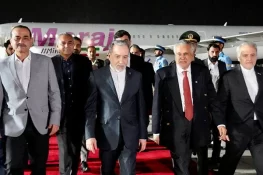
Iranian officials continue to insist on key conditions for any agreement, including the lifting of sanctions, release of frozen assets, and an end to restrictions on maritime activity. Tehran has also reiterated demands linked to broader regional security arrangements and compensation for war-related damages.
Deputy Foreign Minister Kazem Gharibabadi said Iran’s proposal includes ending hostilities across multiple fronts and ensuring the withdrawal of foreign military presence near its borders.
However, US officials have described some of these demands as difficult to accept, suggesting that negotiations are still far from a final settlement.
Conflict Background and Regional Impact
The conflict, which escalated earlier this year, has caused widespread disruption across the Middle East, including damage to infrastructure and major displacement in affected areas. Both sides have accused each other of aggression, while intermittent ceasefire arrangements have struggled to fully stabilize the situation.
Although a fragile ceasefire has largely held in recent weeks, sporadic drone activity and security incidents continue to raise concerns about renewed escalation.
While recent tanker movements and diplomatic statements have raised hopes of de-escalation, analysts caution that the situation remains uncertain. The outcome of ongoing negotiations is expected to play a key role in determining whether global shipping routes and energy markets can return to normal stability.