Dubai is working hard to maintain its image as a safe haven amid a wave of attacks by Iran, with government campaigns and social media influencers emphasizing normalcy and stability. Authorities are also cracking down on the spread of fake news to prevent panic.
UAE’s Safety Image Under Strain
For decades, the United Arab Emirates (UAE) has promoted itself as one of the safest countries in the Middle East, boasting very low crime rates and a stable environment. This image has long attracted millions of expatriates and tourists, supporting Dubai’s ambitious diversification away from oil.
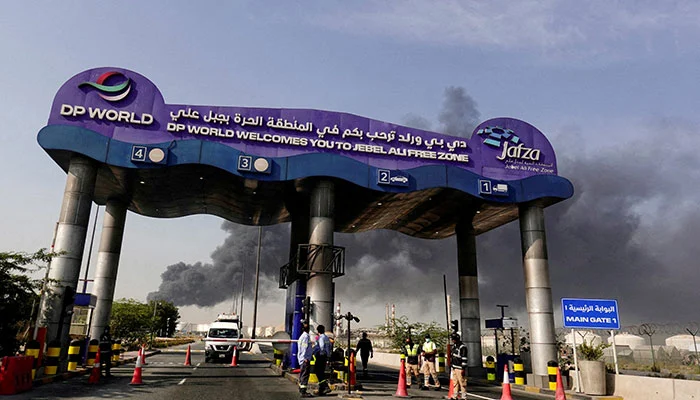
However, the ongoing conflict has shaken that perception. Since the start of the Iran–US-Israel tensions, Tehran has launched over 1,800 missiles and drones at the UAE, the highest number directed at any country in the region. While UAE air defenses have intercepted most of the projectiles, the sheer scale of attacks has disrupted Dubai’s tranquility.
Kuwaiti-American reality star Ebraheem Alsamadi, known for the series Dubai Bling, declared in a video that he would stay in the UAE, calling it “the safest country in the world” despite the attacks. Dubai’s official Instagram account also shared a song reassuring its 5.8 million followers that “Dubai is safe, will always be safe.”
Iran Strikes Dent Dubai Dream for Pakistani Workers
Protecting Reputation and Economy
Around 90% of the UAE’s population are foreign nationals, making expatriates a crucial workforce for tourism, services, and economic diversification. Maintaining investor and resident confidence is therefore vital. Analysts like Ryan Bohl of Rane Network note that UAE authorities are trying to minimize the impact of the conflict on daily life to avoid associating war with the country.
Despite the attacks, UAE officials have staged public displays of normalcy. President Mohamed bin Zayed Al Nahyan was seen walking through Dubai Mall with his entourage, while major real estate and commercial operators such as Emaar instructed shops and restaurants to remain open. According to Emaar, closures or reduced hours could “undermine public order and economic standing.”
Controlling Information and Rumours
Authorities have cracked down on the sharing of drone strike footage and other reports that might amplify fear. The UAE police warned citizens against sharing rumours or images of security sites, and the attorney general ordered the arrest and urgent trial of individuals posting misleading or fabricated content.
Other Gulf nations have taken similar steps: Qatar, for instance, arrested over 300 people for spreading unverified information. Meanwhile, many businesses evacuated Dubai’s financial district due to threats against US- and Israel-linked economic targets.
Challenges Ahead
Dubai, heavily reliant on tourism and foreign investment, faces the ongoing challenge of balancing public safety with economic confidence. Analysts emphasize that the city must continue to demonstrate security and stability, as any prolonged perception of risk could significantly affect its diversified economy and reputation as a global hub.