Iran has formally conveyed its response to a US-backed ceasefire proposal through Pakistan, signaling its preference for a lasting resolution to the ongoing conflict rather than a temporary truce. The development comes as diplomatic efforts intensify to halt a war that has entered its sixth week, with regional and global stakes continuing to rise.
Iran Rejects Temporary Ceasefire
According to Iran’s state news agency IRNA, Tehran has rejected the idea of a short-term ceasefire and instead emphasized the need for a permanent end to hostilities involving both the United States and Israel.
The Iranian response reportedly consists of 10 key clauses, including a complete end to regional conflicts, the lifting of economic sanctions, reconstruction efforts, and a structured protocol to ensure safe passage through the Strait of Hormuz—a vital global energy route.
Pakistan’s Role as a Key Mediator
Pakistan has emerged as a crucial diplomatic intermediary in the crisis. Sources indicate that the ceasefire framework being discussed was shaped through intensive overnight contacts involving senior officials from multiple countries.
Chief of Army Staff Asim Munir remained in continuous communication with US Vice President JD Vance, US special envoy Steve Witkoff, and Iranian Foreign Minister Abbas Araghchi.
The proposed framework reportedly suggests an immediate ceasefire, followed by negotiations aimed at reaching a broader peace agreement within 15 to 20 days.
Trump Rejects Iran’s Proposal
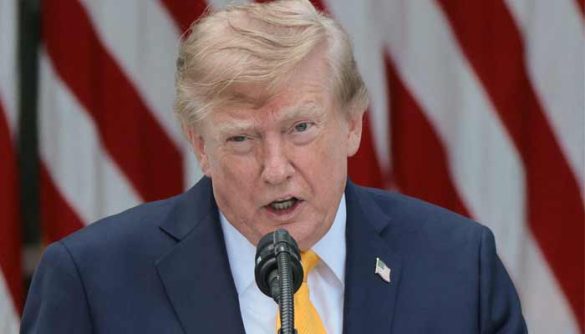
US President Donald Trump acknowledged that Iran’s proposal represented a “significant step” but ultimately rejected it, stating that it did not meet US expectations. He reiterated that his deadline for Iran to reopen the Strait of Hormuz remained final.
Trump has warned of severe military action, including strikes on Iran’s energy and transport infrastructure, if Tehran fails to comply. His statements have further escalated tensions in an already volatile situation.
Strategic Importance of the Strait of Hormuz
The Strait of Hormuz remains central to the conflict. The waterway carries nearly 20% of the world’s oil and natural gas supply, making it a critical chokepoint in the global energy market.
Iran’s effective closure of the strait following earlier US-Israeli strikes has given it significant leverage in negotiations. However, Tehran has shown reluctance to reopen it without securing broader guarantees.
Pakistan, Regional Mediators Make Last-Ditch Efforts for Iran-US Ceasefire
Continued Fighting and Regional Impact
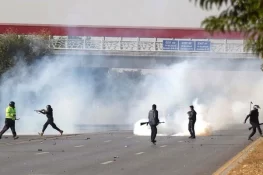
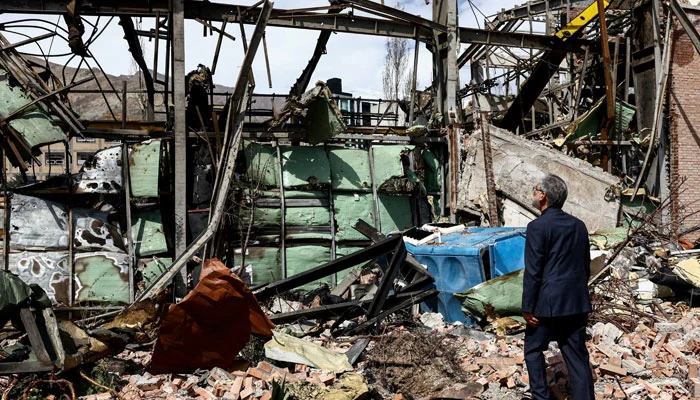
Despite ongoing diplomatic efforts, military activity continues across the region. Fresh airstrikes were reported, while Iran and its allies have carried out retaliatory attacks, including strikes on energy facilities and maritime targets in the Gulf.
Israel has also faced missile barrages, with multiple launches reported from Iran and Lebanon. Casualties continue to rise on all sides, with thousands reported dead in Iran and significant losses in Lebanon and Israel as well.
Iran-backed groups, including the Houthis in Yemen, have also joined the conflict, highlighting the risk of a wider regional escalation.
Global and Economic Implications
The conflict has already had a noticeable impact on global markets. Oil prices have surged, with Brent crude rising amid concerns over supply disruptions linked to the Strait of Hormuz blockade.
Regional leaders, including UAE officials, have warned that any long-term settlement must ensure free navigation through the strait and address broader security concerns, including Iran’s missile and nuclear capabilities.
Conclusion: Diplomacy vs Escalation
While diplomatic channels remain open, the gap between the US and Iran appears significant. Iran’s insistence on a permanent settlement contrasts with Washington’s push for immediate concessions, particularly regarding the Strait of Hormuz.
With deadlines approaching and military options reportedly ready, the coming days are likely to determine whether negotiations succeed or the conflict escalates into a wider and more destructive regional war.