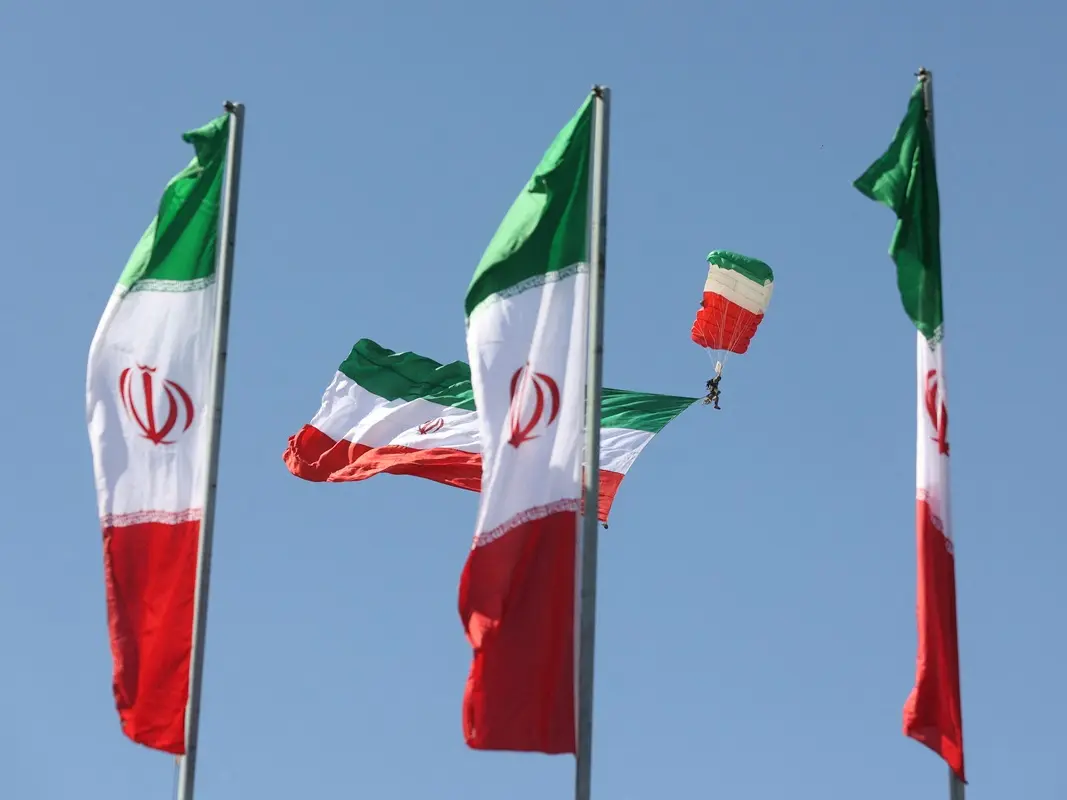
Iran has outlined a set of preconditions for entering talks on a lasting peace agreement with the United States, a senior official told Reuters, signaling a firm stance amid ongoing regional tensions.
Key Conditions for Negotiations
According to the official, Tehran is insisting on several core requirements before engaging in any meaningful dialogue. These include an immediate halt to military strikes, firm guarantees that such attacks will not be repeated, and compensation for the damage caused during the conflict.
The demands reflect Iran’s emphasis on securing long-term assurances rather than entering negotiations under uncertain or temporary conditions.
Rejection of Temporary Ceasefire
Iran has also made it clear that it does not support a short-term or provisional ceasefire arrangement with the United States. Officials believe that temporary agreements may fail to prevent future hostilities and could resemble past situations where tensions resumed after brief pauses.
Instead, Tehran is pushing for a comprehensive and durable settlement that addresses the root causes of the conflict.
Iran Sends Response to US Ceasefire Proposal via Pakistan Amid Rising Tensions
Strait of Hormuz as Strategic Leverage
One of the more significant elements of Iran’s position involves the Strait of Hormuz, a critical global shipping route through which a substantial portion of the world’s oil and natural gas passes.
The senior official indicated that, under a potential long-term agreement, Iran would seek the right to impose fees on vessels passing through the strait. These charges could vary depending on factors such as the type of ship, its cargo, and prevailing geopolitical or economic conditions.
This proposal highlights the strategic importance of the waterway and Iran’s intention to leverage it in negotiations.
Broader Implications
Iran’s preconditions suggest that any future talks with the United States are likely to be complex and potentially prolonged. The emphasis on guarantees, compensation, and control over key maritime routes reflects broader concerns about security, sovereignty, and economic stability.
While the possibility of negotiations remains open, the gap between the two sides appears significant. Iran’s insistence on strict preconditions underscores its cautious approach, indicating that any progress toward lasting peace will depend on substantial concessions and mutual trust.