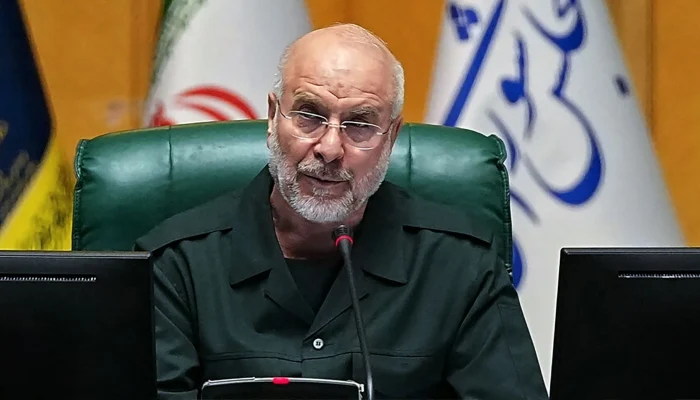
Iran’s Parliament Speaker Mohammad Bagher Ghalibaf has said that the United States was “unable” to gain Tehran’s trust during the latest round of high-level negotiations held in Islamabad, despite more than 20 hours of continuous talks.
The discussions, hosted in Pakistan after a brokered ceasefire, aimed to ease tensions between Washington and Tehran following weeks of conflict in the Middle East. However, the talks ended without any agreement.
Iran Points to Lack of Trust
In a statement posted on X, Ghalibaf said that the Iranian delegation presented “constructive initiatives,” but ultimately concluded that the US side failed to build confidence during the negotiations.
He stressed that Iran entered the talks without trust in the United States, citing past conflicts and military actions as key reasons for its skepticism.
Ghalibaf said, “America has understood our logic and principles, and now it must decide whether it can earn our trust or not.”
US Response: No Agreement Reached
US Vice President JD Vance confirmed that no deal was reached after the lengthy discussions, stating that Iran had rejected Washington’s terms.
He said the US presented clear red lines and described its proposal as a “final and best offer,” warning that failure to reach an agreement would have broader consequences for Tehran.
“We have made very clear what our red lines are,” Vance said, adding that the outcome was “bad news for Iran more than the United States.”
“Final and Best Offer”: Key Takeaways from JD Vance’s Islamabad Press Conference
Pakistan’s Role Acknowledged
Despite the breakdown in negotiations, Ghalibaf praised Pakistan for its role in facilitating the dialogue and hosting the talks. He extended appreciation to the Pakistani leadership and public for supporting diplomatic efforts aimed at de-escalation.
Pakistan had previously helped broker a temporary ceasefire, which made the Islamabad talks possible after weeks of escalating regional conflict.
Background of the Conflict
The crisis began on February 28 following US-Israeli strikes targeting Iranian leadership and infrastructure, triggering a wider regional escalation. Iran responded with retaliatory actions, including disruptions in the Strait of Hormuz and attacks on regional targets.
A ceasefire was eventually announced on April 8, with Pakistan playing a central mediating role between the two sides.
Competing Proposals Still Unresolved
- The United States proposed a 15-point framework focusing on Iran’s nuclear program, missile restrictions, sanctions relief, and reopening of the Strait of Hormuz.
- Iran countered with a 10-point proposal demanding greater control over the waterway, transit revenues, and full sanctions removal.
While the Islamabad talks ended without progress, both sides acknowledged the complexity of the issues and the continued gap in trust. Pakistan’s diplomatic role was widely recognized, but the core dispute between Washington and Tehran remains unresolved.