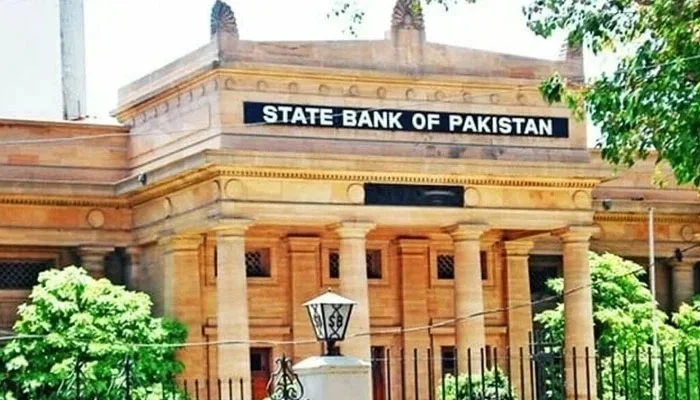
Karachi: The State Bank of Pakistan has increased its benchmark policy rate by 100 basis points to 11.5%, signaling a shift toward tighter monetary policy as inflation risks begin to rise again.
The decision, announced on Monday, reflects growing concerns over external pressures—particularly volatile global oil prices—and their potential impact on Pakistan’s economic outlook.
Why the Rate Was Increased
The central bank’s Monetary Policy Committee (MPC) faced a divided outlook ahead of the decision. A Reuters survey had indicated mixed expectations among analysts, with most predicting no change, while others anticipated a modest increase.
However, the SBP opted for a stronger move, citing renewed upside risks to inflation.
Pakistan’s Consumer Price Index (CPI) rose to 7.3% year-on-year in March, up from 7% in February, slightly exceeding the SBP’s target range of 5% to 7%. Analysts warn that inflation could accelerate further—potentially reaching double digits—if external pressures persist.
Impact of Global Oil Prices
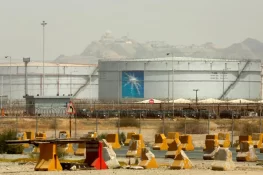
A key factor behind the rate hike is the ongoing volatility in global oil markets. Prices have remained unstable due to geopolitical tensions, particularly the conflict involving Iran and the United States.
For Pakistan, which relies heavily on imported fuel, rising oil prices directly increase the import bill and put pressure on domestic inflation.
State Bank Introduces Major Reforms in Remittance Rebate Scheme
Monetary Policy Trend
The latest increase marks a pause in the easing cycle that began in mid-2024. Since June 2024, the SBP had reduced interest rates by a cumulative 1,150 basis points from a peak of 22%, aiming to support economic growth.
The most recent rate cut prior to this decision came in January, when the central bank lowered the rate by 50 basis points.
What This Means for the Economy
A higher policy rate typically leads to:
- Increased borrowing costs for businesses and consumers
- Slower credit growth
- Potential cooling of inflation over time
However, it can also dampen economic activity, making the SBP’s decision a balancing act between controlling inflation and supporting growth.
The central bank’s move suggests a more cautious stance going forward, with policymakers closely monitoring inflation trends and global economic developments.
Future decisions will likely depend on how oil prices evolve, the stability of the Pakistani rupee, and whether inflation continues to rise beyond current expectations.