Global oil prices remained largely unchanged on Thursday, as investor scepticism over the outcome of US-Iran peace talks offset earlier declines. Markets continue to react cautiously to ongoing disruptions in the Middle East, particularly around key energy transit routes.
Oil Prices Show Limited Movement
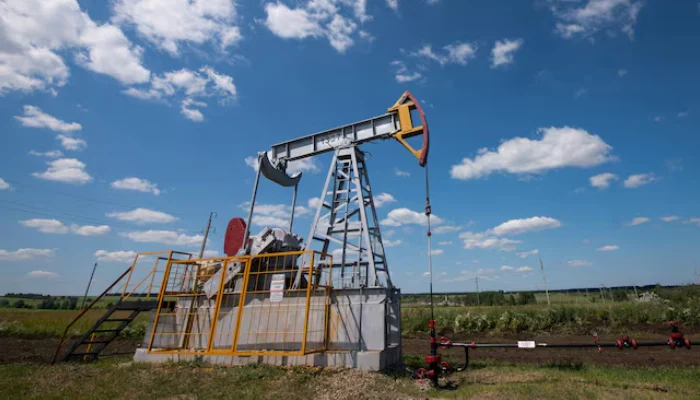
Brent crude futures edged up by 9 cents to $95.02 per barrel, while US West Texas Intermediate (WTI) crude rose by 44 cents to $91.73 per barrel during early trading.
Despite the modest gains, both benchmarks experienced significant volatility in recent sessions, reflecting uncertainty surrounding geopolitical developments and supply conditions.
Strait of Hormuz Disruption Weighs on Market
A major factor influencing oil prices is the disruption in the Strait of Hormuz, through which around 20% of the world’s oil and liquefied natural gas typically flows.
The ongoing conflict involving Iran, the United States, and Israel has significantly impacted shipping activity, leading to one of the largest supply disruptions in recent history.
Analysts estimate that approximately 13 million barrels per day of oil flows have been affected, even after accounting for alternative routes and limited tanker movement.
Investors Remain Sceptical
Market participants remain cautious about the prospects of a breakthrough in US-Iran negotiations. Although there have been signs of diplomatic engagement, previous rounds of talks have often stalled despite initial progress.
Analysts say that until a formal agreement is reached and safe navigation through the Strait is restored, oil prices are likely to remain volatile, potentially fluctuating within a wide range.
Oil Prices Rise as Iran Denies US Talks Amid Gulf Supply Concerns
Possibility of Limited Relief
There are indications that Iran may consider allowing ships to pass through parts of the Strait, particularly via the Omani side, if a broader agreement is achieved following the current ceasefire.
However, uncertainty remains high, especially after reports of a US blockade on Iranian ports following the collapse of earlier negotiations.
Tightening Global Supply
Adding to market pressure, recent data showed a decline in US crude, gasoline, and distillate inventories. Lower imports and higher exports—driven by demand from countries seeking alternative supplies—have contributed to tightening global availability.
Officials have also indicated that the United States will not extend waivers that previously allowed limited purchases of Iranian and Russian oil without sanctions, further restricting supply.
As geopolitical tensions continue to influence energy markets, oil prices are expected to remain sensitive to any developments in US-Iran relations and the status of the Strait of Hormuz.
Until a stable resolution is reached, uncertainty is likely to persist, keeping global energy markets on edge.