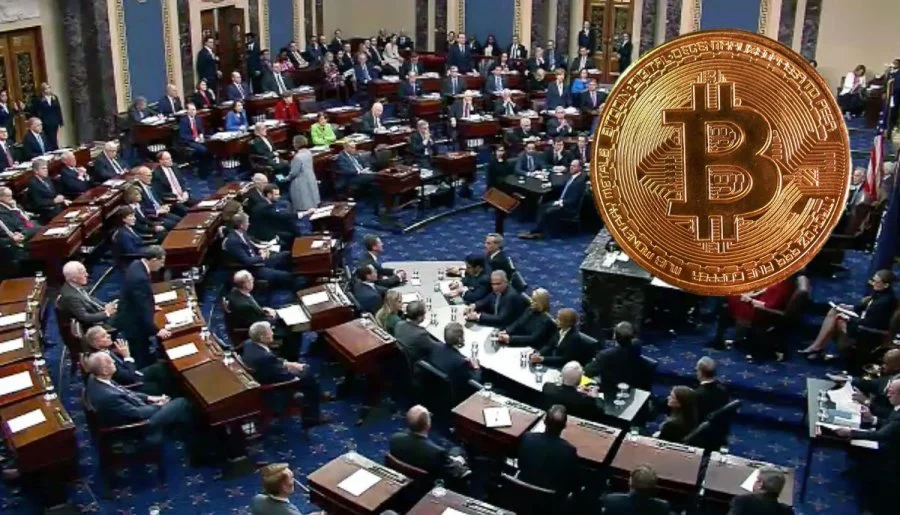
The Digital Asset Market Clarity Act—commonly referred to as the Clarity Act—is a proposed US law that aims to create a comprehensive regulatory framework for cryptocurrencies and digital assets. The US Senate Banking Committee is scheduled to begin marking up the bill on May 14, marking a significant step in the country’s ongoing effort to regulate the fast-growing crypto industry.
If passed, the legislation could become one of the most important crypto-related laws in the United States.
Why the Clarity Act matters
At the heart of the bill is a long-standing regulatory question: how should digital assets be classified and which agencies should oversee them?
The Clarity Act seeks to resolve this by clearly defining whether a crypto asset is treated as a security or a commodity, which would determine whether it falls under the jurisdiction of the Securities and Exchange Commission (SEC) or the Commodity Futures Trading Commission (CFTC).
This distinction is critical because the US has long struggled with overlapping and sometimes conflicting regulatory authority over the crypto sector.
How the bill classifies digital assets
The legislation introduces a structured classification system for crypto assets, dividing them into three main categories:
- Digital commodities (similar to Bitcoin and decentralized assets)
- Investment contract assets (tokens tied to investment schemes or contracts)
- Permitted payment stablecoins (digital currencies pegged to fiat like the US dollar)
Each category would be subject to different compliance requirements depending on its nature and usage.
New compliance and security rules
The bill also introduces strict compliance obligations for crypto platforms, including:
- Mandatory anti-money laundering (AML) and sanctions compliance
- Enforcement of the Bank Secrecy Act for exchanges, brokers, and dealers
- Registration requirements for Bitcoin ATMs, including identity verification and user warnings
- Withdrawal limits and monitoring for suspicious activity
These measures are designed to increase transparency and reduce illicit financial activity in the crypto ecosystem.
Protection for developers and stablecoin rules
One of the more notable aspects of the bill is that it offers legal protection to software developers who publish blockchain code but do not directly control user funds. This is intended to encourage innovation without exposing developers to regulatory liability.
The bill also introduces clearer rules for stablecoin issuers, including guidelines on issuance, reserves, and whether they can offer rewards to users.
Political debate and amendments
The Clarity Act has already triggered significant debate in Washington. More than 130 amendments have been submitted ahead of the markup session, including 44 proposed by Senator Elizabeth Warren, who has raised concerns about national security risks and insufficient anti-money laundering safeguards.
Supporters of the bill argue that it provides long-overdue regulatory clarity, while critics warn that it may still leave gaps in consumer protection and financial oversight.
What happens next
For the bill to advance in the Senate, it will need bipartisan support. Analysts note that if it passes committee approval with cross-party backing, its chances of becoming law will significantly improve. However, a strict party-line vote could limit its prospects.
Why it matters globally
Given the size of the US financial system and its influence on global markets, any final version of the Clarity Act could shape international crypto regulations as well. It may also determine how major crypto exchanges, fintech firms, and stablecoin issuers operate in the coming years.