Rising tensions in the Gulf and disruptions in global energy supply routes are pushing Pakistan to explore alternative sources of oil and long-term energy partnerships.
Pakistan Considers Expanding Russian Oil Imports
Pakistan is planning to increase oil imports from Russia as the ongoing crisis in the Strait of Hormuz continues to disrupt global energy markets. Pakistan’s Ambassador to Moscow, Faisal Niaz Tirmizi, said the situation has forced several countries, including Pakistan, to rethink their energy strategies and search for alternative suppliers.
Speaking to a Russian state news agency, the envoy explained that Pakistan currently produces only around 10% of its total energy needs domestically, while the remaining demand is met largely through imports from Gulf countries. Because of this heavy dependence, the instability in the Strait of Hormuz has become a serious concern for Islamabad.
According to Tirmizi, demand for Russian energy resources has increased significantly since the crisis began, making Moscow a more important potential partner for Pakistan in the energy sector.
Why the Strait of Hormuz Matters
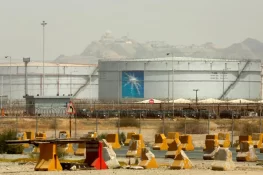
The Strait of Hormuz is considered one of the world’s most strategically important shipping routes. Nearly one-fifth of the global supply of oil and liquefied natural gas (LNG) passes through the narrow waterway, which connects the Persian Gulf to international markets.
Major oil-exporting countries such as Saudi Arabia, Iraq, Qatar, and the United Arab Emirates rely heavily on this route for energy exports. Any disruption in the strait can immediately affect global oil prices and fuel supplies.
Pakistan Calls for Swift Restoration of Strait of Hormuz Shipping Flow
The latest crisis escalated after Iran closed the strait in response to joint military attacks by the United States and Israel. Although a Pakistan-mediated ceasefire later reduced tensions, disagreements over a permanent settlement and maritime restrictions continue to create uncertainty in global markets.
Pakistan Exploring Pipeline Projects
Beyond increasing oil imports, Pakistan is also considering long-term regional energy connectivity projects. Ambassador Tirmizi said Islamabad may eventually discuss pipeline projects linking Central Asia and even Russia to South Asia.
He noted that Pakistan’s broader vision goes beyond energy alone. The country is interested in strengthening Eurasian connectivity through roads, railways, pipelines, academic cooperation, and people-to-people exchanges.
Energy analysts believe such projects could help Pakistan diversify its supply sources and reduce its dependence on traditional Gulf-based imports over time. However, experts also point out that large-scale pipeline projects would require major investment, regional political stability, and long-term international cooperation.
Fuel Prices Rise in Pakistan
The Hormuz crisis has already started affecting consumers inside Pakistan. The federal government recently increased petrol and high-speed diesel prices by nearly Rs15 per litre.
Petrol prices rose from Rs399.86 to Rs414.78 per litre, while diesel prices increased from Rs399.58 to Rs414.58 per litre. Officials also raised the petroleum levy on both products, adding further pressure on transportation costs and inflation.
Economists warn that continued instability in global energy markets could create additional financial strain for energy-importing countries like Pakistan, where fuel prices directly impact the cost of living and industrial activity.
Energy Security Becoming a Key Priority
The latest developments have once again highlighted Pakistan’s vulnerability to external energy shocks. With the country heavily reliant on imported fuel, disruptions in international supply routes can quickly affect the economy, inflation, and foreign exchange reserves.
As a result, policymakers appear increasingly focused on diversifying energy partnerships and exploring alternative supply chains. Closer cooperation with Russia and Central Asian states may become an important part of Pakistan’s long-term energy security strategy in the years ahead.