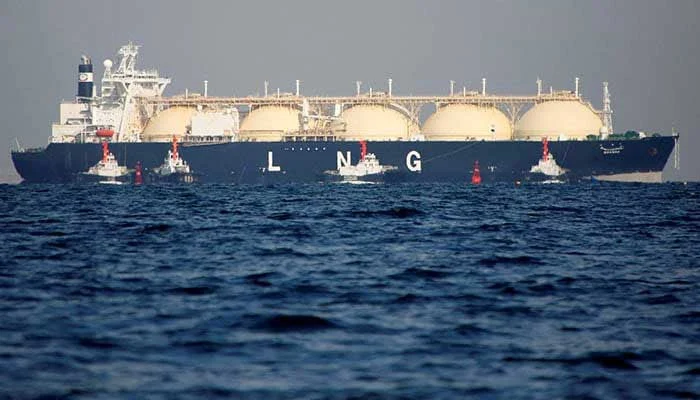
Azerbaijan’s state energy company SOCAR has said it is ready to supply liquefied natural gas (LNG) to Pakistan, provided that a formal request is submitted by Pakistan LNG Limited (PLL). The offer comes as Pakistan faces growing energy constraints linked to regional conflict-related disruptions.
Ready-to-Supply Arrangement Under Existing Framework
According to SOCAR, a framework agreement signed in 2025 between SOCAR Trading and Pakistan LNG Limited allows Pakistan to procure LNG cargoes through an expedited process. The company stated that it is prepared to act quickly once an official request is made.
However, SOCAR did not confirm whether Pakistan has already submitted a request, nor did it provide details on delivery timelines or specific supply sources.
Pakistan Facing LNG Supply Disruptions
Pakistan’s energy situation has tightened significantly in recent weeks due to instability in global gas markets and disruptions in maritime routes. The country relies heavily on imported LNG to meet its domestic energy demand, particularly for electricity generation.
Authorities have reported that imports of multiple LNG cargoes from Qatar have been affected due to logistical complications linked to instability in the Strait of Hormuz, a critical global energy transit route.
Qatar Cargo Delays Add Pressure
Earlier reports indicated that Pakistan State Oil (PSO) had suspended arrangements for several LNG shipments from QatarEnergy after vessels became stranded due to regional tensions. These cargoes were part of agreements intended to stabilize Pakistan’s energy supply during peak demand.
QatarEnergy had previously declared force majeure following an attack on one of its LNG facilities, further complicating supply schedules. Since then, Pakistan has experienced a reduction in imported gas availability, increasing pressure on the national grid.
Pakistan Faces LNG Shortfall After April 14 Amid Middle East Tensions
Growing Demand for Emergency Supply
Officials in Pakistan’s petroleum sector have stated that efforts are underway to secure additional LNG volumes from available international cargoes. Reports suggest that Qatar currently has several loaded LNG vessels in transit or temporarily delayed, and Pakistan is seeking to access part of this supply where possible.
The country requires significant volumes of gas—estimated at hundreds of millions of cubic feet per day—for electricity generation to prevent power shortages and reduce load-shedding.
Energy Security Linked to Regional Stability
The situation highlights how closely Pakistan’s energy security is tied to regional geopolitical developments. Disruptions in maritime routes, particularly through the Strait of Hormuz, have direct consequences for LNG imports and domestic power supply.
As a result, Islamabad is increasingly exploring alternative suppliers such as Azerbaijan to diversify its energy sources and reduce vulnerability to external shocks.
With existing agreements in place and alternative suppliers showing willingness to cooperate, Pakistan may be able to partially offset current shortages. However, the pace of recovery in LNG supply will depend on both regional stability and how quickly pending shipments resume normal operations.
For now, energy security remains closely linked to developments in the broader Middle East conflict and global LNG market conditions.