Iran’s Foreign Minister Abbas Araghchi has said that talks with the United States are making progress, crediting Pakistan’s diplomatic efforts for helping keep channels of communication open, even as tensions in the Gulf and the Strait of Hormuz continue to escalate.
His remarks come amid ongoing maritime confrontations and competing claims over control and security of the world’s most critical oil shipping route.
Pakistan’s Role in Backchannel Diplomacy
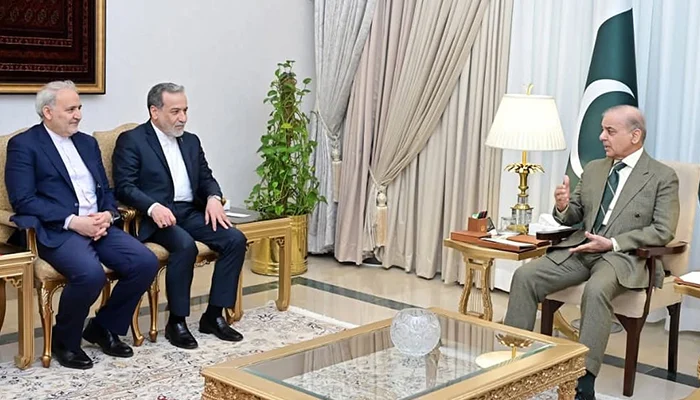
Araghchi acknowledged Pakistan’s involvement in facilitating dialogue between Washington and Tehran, saying the process has moved forward with “gracious effort” from Islamabad.
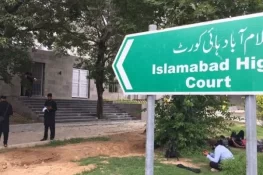
Pakistan has positioned itself as a mediator in the crisis, hosting diplomatic engagements and maintaining contact with both sides to prevent further escalation.
Separately, Pakistan’s Deputy Prime Minister and Foreign Minister Ishaq Dar reiterated that diplomacy remains the only viable path to lasting peace and stability in the region.
Rising Tensions in the Gulf
The Strait of Hormuz, through which a significant portion of global oil and gas shipments passes, has become a flashpoint following months of instability.
Recent developments include:
- Disruptions to commercial shipping routes
- Military escort operations for merchant vessels
- Reports of naval confrontations in the region
- Rising insurance and transport costs for shipping companies
Araghchi warned that there is no military solution to the crisis and urged restraint from external actors.
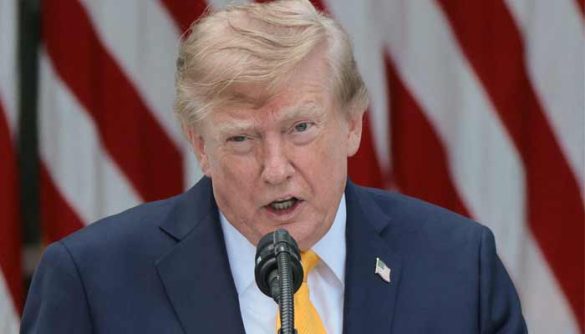
US–Iran Talks May Resume Within Days, Says Trump Amid Ongoing Diplomatic Uncertainty
US “Project Freedom” and Iranian Response
The United States has launched what it calls “Project Freedom”, aimed at ensuring safe passage for commercial ships through the Strait of Hormuz.
The initiative includes naval escort operations for select merchant vessels, though details remain limited.
The US administration has framed the effort as necessary to reopen maritime traffic, while Iran has criticized it as provocative and escalatory.
Araghchi responded sharply, calling the initiative:
“Project Freedom is Project Deadlock.”
He warned that such actions could deepen tensions rather than resolve them.
Competing Claims and Maritime Tensions
The situation has become increasingly complex, with conflicting reports from all sides:
- The US claims some merchant vessels have successfully transited the Strait with naval support
- Iran has denied recent crossings and accused the US of militarizing the waterway
- Naval incidents involving small vessels and military assets have been reported, though details remain disputed
Shipping companies, meanwhile, are reportedly cautious, with many avoiding the route until a clearer resolution emerges.
Pakistan as a Diplomatic Bridge
Pakistan has emerged as a key intermediary in efforts to reduce tensions. Last month, it hosted discussions between US and Iranian representatives in Islamabad, aiming to revive stalled negotiations.
According to diplomatic sources, a second round of talks has not yet been finalized, but engagement continues behind the scenes.
As tensions continue to rise in the Gulf, Iran’s leadership maintains that diplomacy—supported by intermediaries like Pakistan—remains the only workable solution. However, competing military and political initiatives in the Strait of Hormuz suggest that stability in the region remains fragile and uncertain.