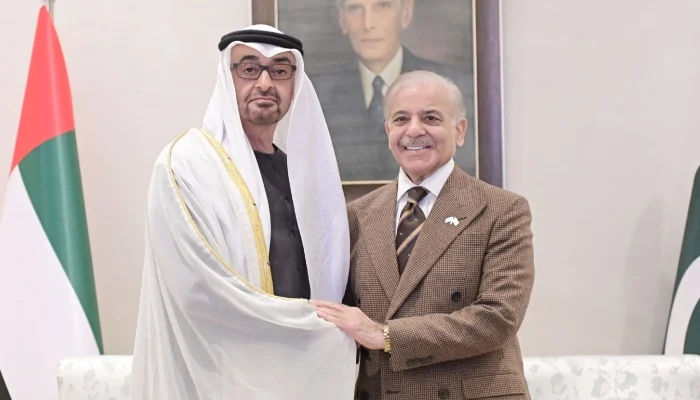
Pakistan has strongly condemned reported missile and drone attacks targeting civilian infrastructure in the United Arab Emirates (UAE), with Prime Minister Shehbaz Sharif expressing “full solidarity” with the Emirati leadership during what he described as a deeply concerning escalation in regional tensions.
PM Shehbaz Reaffirms Support for UAE
In a statement shared on social media platform X, the prime minister said Pakistan stands firmly with the UAE and its people during a difficult time.
He emphasized that maintaining regional stability is essential and warned that further escalation could endanger peace across the Gulf.
He also urged all parties involved to respect the ongoing ceasefire and avoid actions that could derail diplomatic efforts.
Attack on UAE Energy Facility Raises Alarm
The statement comes after reports of a drone strike on an energy facility in Fujairah, which reportedly injured foreign nationals and triggered renewed security concerns in the region.
The UAE government described the incident as a serious escalation and reserved the right to respond. Iran, however, denied any pre-planned intent to target UAE oil infrastructure.
Fujairah is strategically important because it allows oil exports to bypass the Strait of Hormuz through pipeline connections, making it a key hub for global energy shipments.
Growing Regional Instability
The latest developments come amid wider instability in the Gulf following renewed hostilities involving the United States and Iran.
Tensions escalated after US President Donald Trump announced a maritime security initiative called “Project Freedom,” aimed at ensuring safe passage for ships through the Strait of Hormuz.
The move has been met with mixed reactions, with critics warning it could further intensify confrontation in an already volatile region.
US–Iran Talks Progressing with Pakistan’s Mediation, Says Araghchi Amid Hormuz Crisis
Pakistan’s Diplomatic Position
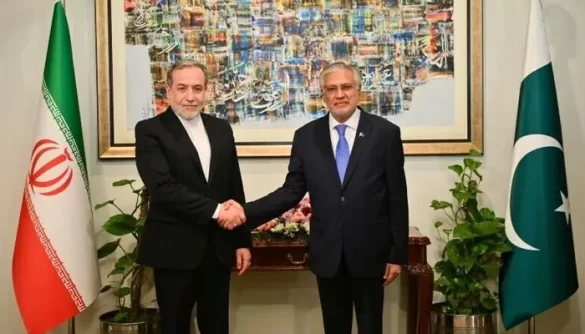
Pakistan has consistently called for restraint and dialogue amid the ongoing crisis. Islamabad has positioned itself as a mediator, supporting efforts to reduce tensions through negotiation rather than military escalation.
Officials say Pakistan has maintained contact with multiple regional actors and continues to push for diplomatic engagement to avoid further conflict.
Iran’s Response and Warning
Iranian Foreign Minister Abbas Araghchi has also commented on the situation, stating that recent developments demonstrate there is no military solution to the crisis.
He reiterated that talks are progressing with Pakistan’s involvement and warned against actions that could drag regional countries into a wider conflict.
Ceasefire Under Strain
The drone and missile incidents have disrupted a fragile ceasefire framework that had been in place since earlier diplomatic efforts involving Pakistan and other regional stakeholders.
The situation has raised concerns about renewed escalation in a region that plays a critical role in global energy supply chains.
Pakistan’s strong condemnation and call for restraint highlight growing concern over the rapidly evolving security situation in the Gulf. With multiple actors involved and diplomatic efforts still underway, the coming days are likely to be crucial in determining whether tensions can be contained or escalate further.