The provincial government of Punjab, Pakistan has officially announced a long summer vacation schedule for schools, with holidays lasting more than three months due to expected extreme weather conditions.
The announcement was made by Punjab Education Minister Rana Sikandar Hayat, who confirmed that the break will help students and teachers cope with the intense summer heat.
Official Vacation Schedule
According to the education department:
- Summer vacations will begin on May 22, 2026
- Schools will reopen on August 23, 2026
- Total break duration: over three months
This makes it one of the longer school holiday periods in recent years, reflecting growing concerns about climate conditions in the region.
Decision Driven by Weather Conditions
The decision comes after repeated warnings from weather and disaster management authorities. The Punjab Disaster Management Authority (PDMA) and the meteorological department had already forecast:
- Above-normal temperatures across Punjab
- Increased risk of heatwaves
- Possibility of dust storms and strong winds
- Localized flooding and erratic rainfall patterns
Officials also warned that rising temperatures could affect agriculture, including crops, vegetables, and orchards.
Relief for Students and Parents
The announcement has been widely seen as a relief for students, teachers, and parents, especially in urban areas where heat intensity tends to be higher.
Punjab Considers Early Summer Vacations for Schools Amid Heatwave Concerns
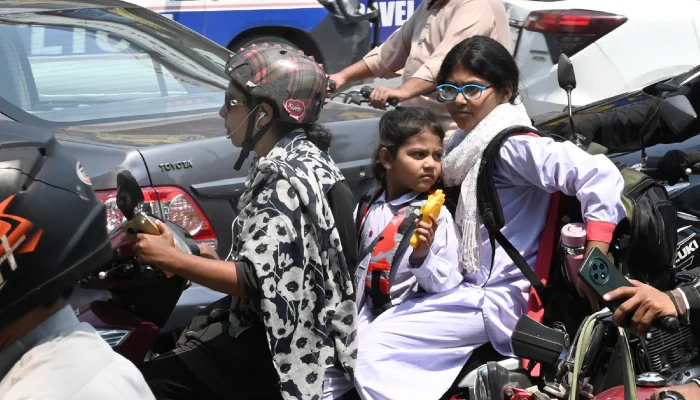
In cities such as Lahore, where daily life often continues despite extreme temperatures, school closures are expected to reduce exposure to heat-related health risks for children.
Previous Year’s Pattern
Last year, Punjab had initially scheduled summer vacations from May 28 to August 14. However, due to prolonged heatwaves, the break was later extended until August 31.
This pattern highlights how climate variability is increasingly influencing academic calendars in the province.
Growing Climate Challenges
Experts note that rising temperatures in South Asia are part of a broader global climate trend. In Pakistan, summer months have become increasingly severe in recent years, putting pressure on infrastructure, education systems, and public health.
Authorities are now frequently adjusting school schedules to ensure safety during peak heat periods.
The extended summer vacation in Punjab reflects both immediate weather concerns and long-term climate realities. While the decision provides relief for millions of students, it also underscores the growing impact of extreme temperatures on daily life and public planning across the province.