Pakistan’s diplomatic engagement in regional affairs has intensified as Chief of Defence Forces and Chief of Army Staff Syed Asim Munir held meetings in Tehran with senior Iranian officials to discuss ongoing efforts aimed at reducing tensions and preventing further escalation in the region.
High-Level Meeting Focuses on Regional Stability
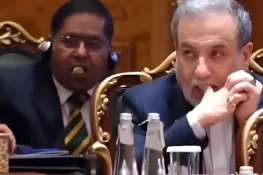
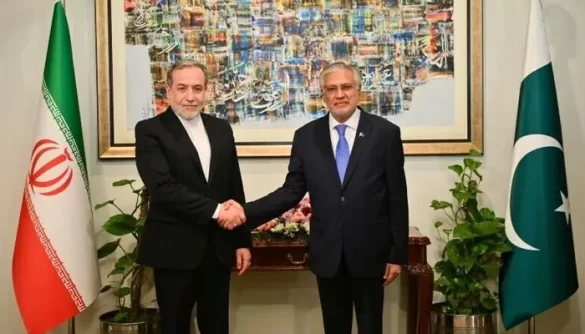
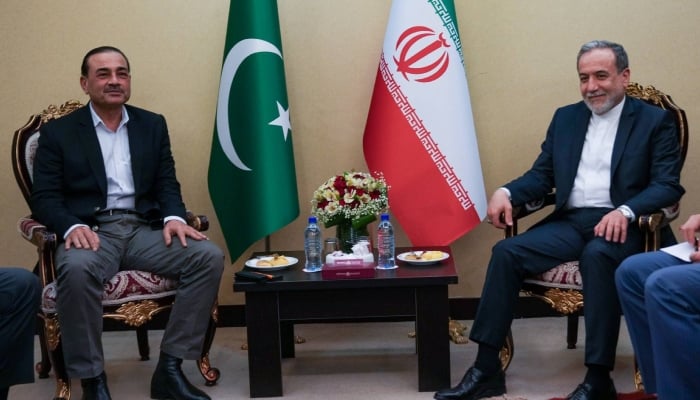
During his visit to Tehran, Field Marshal Asim Munir met with Iranian Foreign Minister Abbas Araghchi to discuss the latest diplomatic initiatives related to the ongoing tensions involving Iran and the United States.
According to reports released by Iranian authorities, the discussions focused on ways to prevent further escalation and support broader efforts aimed at maintaining peace, stability, and security in West Asia. The meeting reportedly continued late into Friday night and involved an exchange of views on regional developments and diplomatic options.
The visit reflects Pakistan’s increasing role in efforts to encourage dialogue at a time of heightened uncertainty in the Middle East.
Meetings With Iran’s Senior Leadership
Apart from his meeting with Foreign Minister Araghchi, Field Marshal Asim Munir also held separate discussions with senior Iranian leadership, including Iranian President Masoud Pezeshkian and Parliament Speaker Mohammad Bagher Ghalibaf.
According to reports, the meetings addressed regional security developments and broader diplomatic efforts intended to reduce tensions and encourage political engagement.
Upon arriving in Tehran, the Pakistani military chief was received by officials including Pakistan’s Interior Minister Mohsin Naqvi and Iranian Interior Minister Eskandar Momeni.
Pakistan’s Mediation Efforts Continue
Pakistan has been actively involved in encouraging diplomatic engagement between the United States and Iran. Previous discussions between the two sides reportedly took place in Islamabad, although no final agreement emerged from those negotiations.
While earlier rounds of talks did not result in a breakthrough, they also did not collapse completely, leaving room for continued diplomatic engagement.
Regional observers note that Pakistan’s involvement reflects its broader interest in supporting stability across neighboring regions, particularly given the potential economic and security consequences of prolonged conflict.
Trump–Netanyahu Call Reportedly Turns Tense Over Revised Iran Peace Proposal
Iran Raises Concerns During Negotiations
Meanwhile, Iranian officials have expressed concerns regarding the direction of ongoing negotiations with the United States. Iranian authorities reportedly criticized what they described as “excessive demands” and emphasized that diplomatic engagement must remain balanced and constructive.
Foreign Minister Abbas Araghchi also reportedly discussed these concerns with Antonio Guterres, stressing Iran’s position on continuing diplomatic efforts despite existing challenges.
Strait of Hormuz Remains a Key Issue
One of the major issues under discussion remains the future of the Strait of Hormuz, a critical global shipping route for energy supplies.
Any disruption involving the waterway carries significant implications for international trade and energy markets. Analysts continue to monitor developments closely because prolonged uncertainty in the region could affect global oil prices and broader economic conditions.
Diplomatic Efforts Continue Amid Uncertainty
As diplomatic contacts continue, the coming days may prove important in determining whether negotiations move toward a political settlement or face additional obstacles.
For now, Pakistan’s engagement alongside regional diplomatic efforts highlights continuing attempts to avoid further instability and encourage a negotiated path forward.