Climate minister warns that weakening water-sharing agreements could affect downstream countries globally
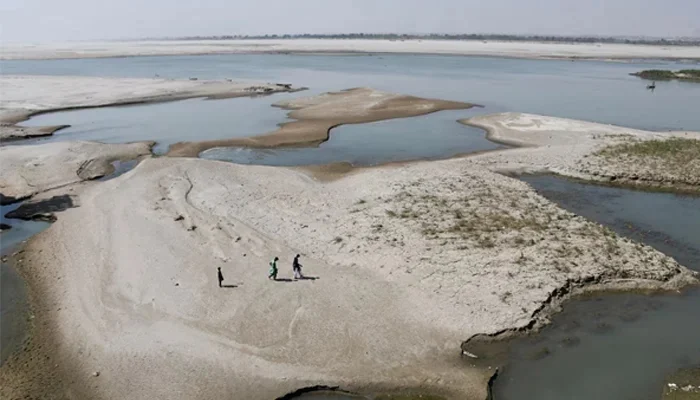
Pakistan has expressed concern over what it describes as India’s attempt to politicise shared water resources, warning that any move to weaken existing international water agreements could create wider consequences for countries dependent on transboundary rivers.
Speaking at an international conference on water and sustainable development in Dushanbe, Climate Change and Environmental Coordination Minister Musadik Malik said that using water as a political tool could pose serious challenges for regional stability and international cooperation.
Concerns Over the Indus Water Treaty
The minister referred to the Indus Waters Treaty, stating that international agreements governing shared resources should continue to be respected.
According to Malik, any effort to place such arrangements in abeyance or weaken their implementation could establish a broader precedent affecting downstream nations around the world.
He said no country should use water access as a means of political pressure and stressed that international mediation mechanisms should remain central to resolving disputes related to shared resources.
Broader Discussion on Global Water Governance
During his address, Malik also expressed concern over what he described as a decline in multilateral cooperation globally. He said cooperative frameworks are increasingly being challenged by more unilateral approaches, potentially creating difficulties for countries that rely on shared water systems.
He warned that nations located upstream on river systems could potentially gain disproportionate leverage over downstream countries if international norms and agreements become weaker.
Water security has become an increasingly important issue globally, particularly as climate change, population growth, and rising demand continue to place pressure on available freshwater resources.
Aurangzeb to Head Panel on Rs72bn Windfall Gains of Oil Marketing Companies
Climate Challenges Facing Pakistan
The minister also highlighted Pakistan’s broader environmental concerns, noting that the country continues to face significant climate-related challenges, including floods, heatwaves, and extreme weather events.
He stated that repeated flooding episodes have affected infrastructure, agriculture, and livelihoods in various parts of the country. Such events also contribute to economic pressures and concerns surrounding food security.
Focus on Glacial Changes
Malik further stressed the importance of regional cooperation regarding glacier monitoring and ecosystem protection.
He noted that Pakistan and Tajikistan both possess large glacial systems and emphasized the need for stronger cooperation to monitor changes linked to rising temperatures.
The minister concluded by calling for stronger international commitment to water-sharing agreements, saying that effective management of transboundary water systems remains one of the major challenges facing the international community.