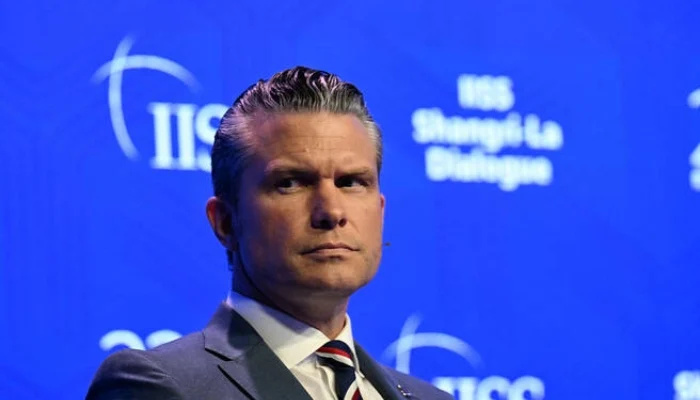
US Defence Secretary Pete Hegseth praises Pakistan’s diplomatic role in Middle East peace efforts, highlighting growing cooperation with Washington.
US Defence Secretary Hails Strengthening Ties with Pakistan
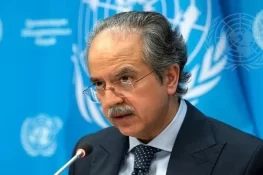
US Defence Secretary Pete Hegseth has said that a “true friendship” is developing between the United States and Pakistan, pointing to Islamabad’s active role in mediating peace efforts in the Middle East conflict.
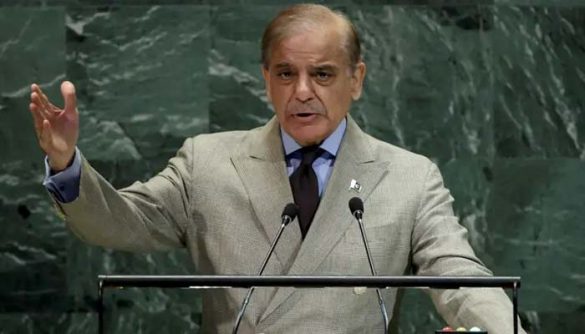
Speaking at the Shangri-La Dialogue in Singapore, Hegseth praised Pakistan’s leadership, including Prime Minister Shehbaz Sharif and Chief of Defence Forces Field Marshal Syed Asim Munir, for their involvement in ongoing diplomatic engagement between Washington and Tehran.
He described Pakistan as a “true friend” of the United States and said both leaders were playing an “outstanding role” in efforts aimed at reviving peace negotiations.
Pakistan’s Role in US–Iran Dialogue
According to the report, Pakistan has been acting as a mediator in efforts to restart dialogue between the United States and Iran following weeks of conflict in the region.
Islamabad has reportedly facilitated discussions aimed at bringing both sides back to the negotiating table after earlier talks ended in a stalemate due to disagreements over key issues, including Iran’s nuclear programme and regional security concerns.
Sources indicate that Pakistan also hosted delegations from both countries in an effort to encourage direct communication, marking one of the few instances of structured dialogue between Washington and Tehran in nearly five decades.
Ongoing Stalemate in Peace Negotiations
Despite diplomatic efforts, a comprehensive peace agreement remains out of reach. A White House official reportedly stated that US President Donald Trump would only agree to any deal if it fully meets Washington’s conditions.
These conditions include long-standing US demands that Iran permanently abandon any nuclear weapons ambitions and address broader regional security concerns.
Iranian officials, however, have pushed back against some of these claims, stating that no final agreement has been reached and questioning the accuracy of US statements regarding the negotiations.
Background of the Conflict
The current diplomatic efforts follow a period of heightened tensions in the Middle East. Hostilities escalated when coordinated military actions by the United States and Israel targeted Iranian positions, triggering retaliatory responses and regional instability.
The situation later de-escalated after Pakistan facilitated a ceasefire, which helped temporarily reduce tensions and reopen the door for diplomatic engagement.
Subsequently, Pakistan continued to play a mediating role, encouraging both sides to extend the ceasefire and resume dialogue in a structured format.
Pakistan’s Growing Diplomatic Visibility
Officials cited in the report suggest that Pakistan’s role in mediating between Washington and Tehran has increased its diplomatic visibility on the global stage. Iranian President Masoud Pezeshkian also reportedly acknowledged Pakistan’s efforts, thanking Islamabad for its initiative in supporting peace talks.
The United States has similarly indicated in past statements that Pakistan remains an important facilitator in ongoing diplomatic efforts.
A Delicate but Active Mediating Role
While negotiations remain unresolved, Pakistan continues to position itself as a diplomatic bridge between rival powers. Analysts say this role reflects Islamabad’s broader foreign policy approach of engagement with multiple global actors amid shifting geopolitical dynamics.
As discussions continue, the success or failure of these efforts will likely shape not only US–Iran relations but also Pakistan’s evolving role in regional diplomacy.