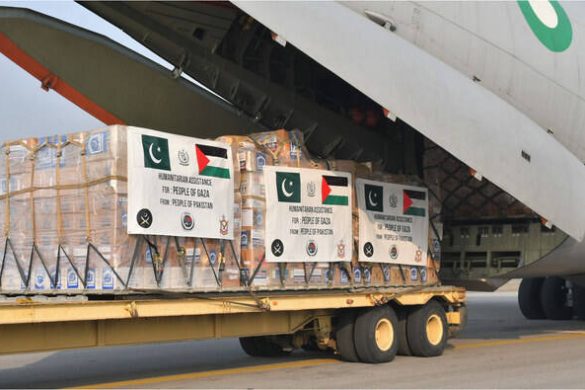
Rising transport costs and supply chain disruptions are delaying critical humanitarian supplies for vulnerable children worldwide.
UNICEF Raises Alarm Over Aid Delivery Delays
The United Nations Children’s Fund, UNICEF, has warned that ongoing disruptions linked to the Middle East conflict are threatening the timely delivery of lifesaving humanitarian assistance to children in some of the world’s most vulnerable regions.
According to the agency, rising shipping costs, logistical challenges, and disruptions to key trade routes have significantly affected the movement of essential supplies, including therapeutic food, vaccines, and medical equipment.
UNICEF estimates that some humanitarian shipments are now experiencing delays of up to six months, potentially affecting millions of children who depend on emergency assistance.
Shipping Delays Increasing Delivery Times
Jean-Cedric Meeus, UNICEF’s Chief of Global Transport and Logistics, said that many shipments are being rerouted around the Cape of Good Hope due to security concerns affecting traditional maritime routes.
This alternative route is adding between two and four weeks to delivery schedules, creating additional pressure on humanitarian operations that often depend on rapid distribution of supplies.
Longer transit times can be particularly damaging during health emergencies, disease outbreaks, and nutrition crises where timely assistance is critical.
Rising Costs Affect Humanitarian Operations
Beyond delays, UNICEF says transportation costs have risen sharply, forcing difficult decisions about how limited resources are allocated.
In Mali, the agency reported that its transport budget increased by 36% during the first quarter of the year. As a result, humanitarian planners have had to weigh whether to reduce shipments of lifesaving nutritional products or cut spending in other essential sectors such as water and sanitation.
These financial pressures are affecting aid programmes already operating under tight budgets and growing humanitarian needs.
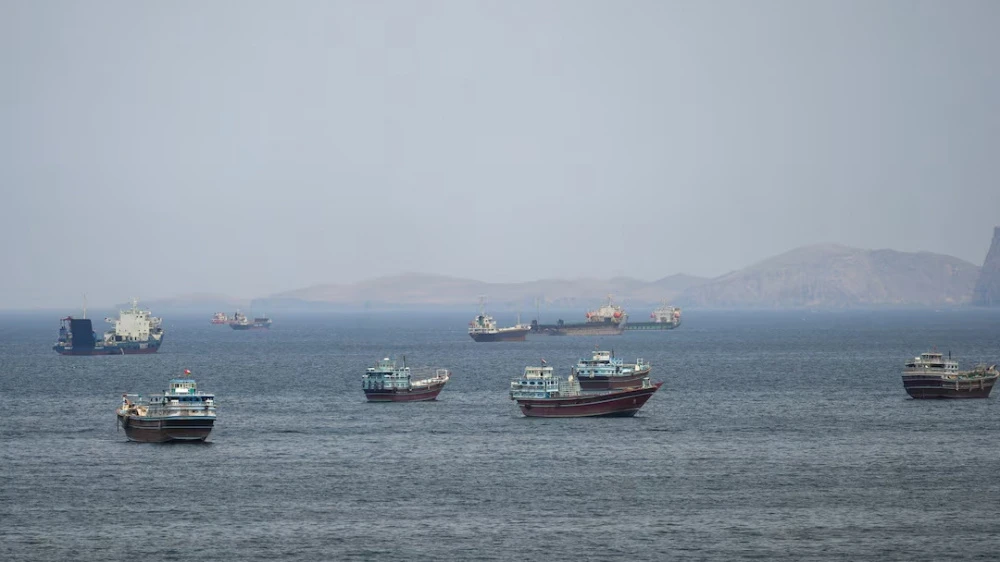
IRGC Navy Reports 28 Vessels Passed Through Strait of Hormuz in 24 Hours
Therapeutic Food Deliveries Become More Expensive
UNICEF also reported a significant increase in the cost of transporting Ready-to-Use Therapeutic Food (RUTF), a critical product used to treat severe acute malnutrition in children.
The cost of trucking these supplies from manufacturers in Kenya to destinations such as Somalia, South Sudan, and the Democratic Republic of the Congo has risen by approximately 30%.
The increase adds further strain to efforts aimed at combating child malnutrition in regions already facing food insecurity and humanitarian crises.
Vaccination Campaigns Also Impacted
The disruption has also affected public health initiatives. UNICEF disclosed that it had to spend an additional $200,000 to reroute syringes intended for a polio vaccination campaign in Nigeria.
The rerouting resulted in a 56% increase in transportation costs, illustrating how global supply chain disruptions are affecting not only food assistance but also disease prevention programmes.
Growing Humanitarian Concerns
Humanitarian organisations have repeatedly warned that conflicts affecting major shipping lanes can have far-reaching consequences beyond the immediate region of fighting.
As transportation costs rise and delivery times lengthen, aid agencies face increasing challenges in reaching children and families in need. UNICEF says maintaining reliable supply chains remains essential to ensuring that vulnerable populations continue to receive food, medicine, vaccines, and other critical assistance.
The agency has called attention to the urgent need for stable and secure transport routes to prevent further disruption to humanitarian operations worldwide.