Fresh attacks between Israel and Iran have threatened ongoing diplomatic efforts to end months of conflict, while concerns grow over wider instability across the Middle East.
First Direct Exchange Since Ceasefire
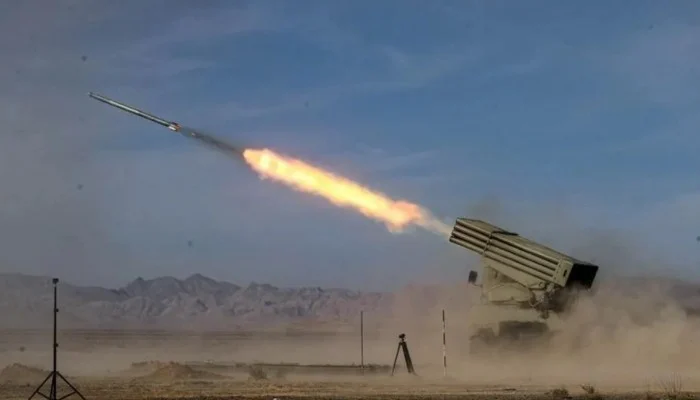
Israel and Iran exchanged attacks on Monday for the first time since a ceasefire came into effect nearly two months ago, marking a significant escalation in tensions across the region.
The latest flare-up comes despite repeated international efforts to preserve the fragile truce that followed months of fighting triggered by US and Israeli strikes on Iran earlier this year.
According to reports, Israel launched strikes inside Iran after Tehran carried out retaliatory attacks linked to an Israeli airstrike on Beirut’s southern suburbs, a stronghold of the Iran-backed Hezbollah movement in Lebanon.
While both sides confirmed military operations, no casualties were immediately reported in either country.
Military Targets Hit on Both Sides
The Israeli military stated that it targeted and dismantled Iranian air defence systems deployed in various locations across Iran. Meanwhile, residents in Jerusalem and parts of the occupied West Bank reported hearing explosions as Israeli defence systems attempted to intercept incoming missiles.
Iran’s Islamic Revolutionary Guard Corps (IRGC) said it had targeted Israel’s Nevatim and Tel Nof air bases in response to what it described as Israeli aggression.
In addition, reports indicated that an Iranian petrochemical facility was struck during the exchange, further increasing concerns about the conflict’s potential impact on regional energy infrastructure.
Iran Says Peace Talks Could Be Affected
The renewed hostilities have cast doubt on ongoing diplomatic efforts aimed at reaching a permanent settlement.
Iranian Foreign Ministry spokesperson Esmaeil Baqaei accused the United States of supporting Israel’s actions and suggested that the latest attacks could negatively affect negotiations.
He stated that Tehran believed Israel would not undertake such operations without coordination with Washington. According to Baqaei, it was natural that diplomatic initiatives designed to end the conflict would face complications under such circumstances.
However, he also stressed that diplomatic consultations were continuing despite the renewed violence.
US Considers Using Iranian Assets for Gulf Reconstruction Amid Rising Tensions
Houthis Enter the Conflict Again
The situation became more complicated when Yemen’s Iran-backed Houthi movement announced a fresh missile attack on Israel.
The group also declared a complete ban on Israeli-linked shipping in the Red Sea, raising fears of renewed disruptions to one of the world’s most important maritime trade routes.
The Red Sea serves as a critical corridor for global commerce, connecting Europe, Asia and the Middle East through the Suez Canal. Any disruption in this route could affect international shipping costs and energy markets.
International Calls for Restraint
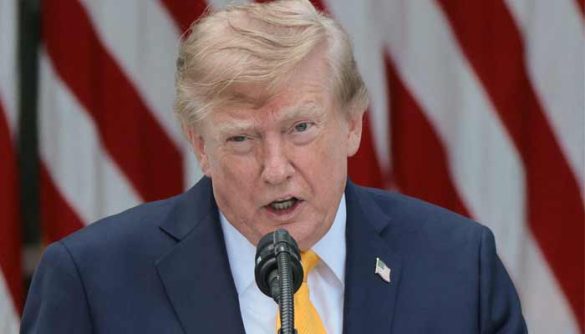
US President Donald Trump called on both Israel and Iran to avoid further escalation and return to negotiations.
Speaking in media interviews, Trump urged Tehran to halt missile attacks and rejoin diplomatic talks, while also emphasising that Washington remained influential in efforts to manage the crisis.
Meanwhile, the European Union’s foreign policy chief, Kaja Kallas, called on both sides to exercise restraint and return to the negotiating table. China also urged all parties to avoid further military action, warning that renewed conflict would benefit no one.
Lebanon and Iraq Also Affected
Regional tensions extended beyond Israel and Iran. Israel confirmed carrying out strikes in Beirut’s Dahiyeh district after Hezbollah launched missiles and drones toward northern Israel.
Lebanese authorities reported that at least two people were killed and several others injured in the attack.
At the same time, Iran launched strikes against what it described as militant bases in Iraq’s Kurdistan region, claiming that armed groups operating there were serving foreign interests.
These developments have increased fears that the conflict could once again spread across multiple fronts in the Middle East.
Oil Prices Rise Amid Uncertainty
The renewed fighting has already impacted global energy markets. Oil prices climbed as investors worried about the future of the Strait of Hormuz, a strategic waterway through which a significant portion of the world’s oil and liquefied natural gas supplies pass.
Any prolonged disruption in the region could place additional pressure on global energy prices and international trade.
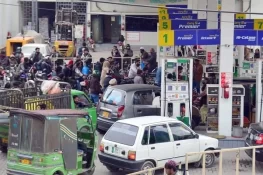
For ordinary citizens in Iran and other countries affected by the crisis, the economic consequences are becoming increasingly visible. Rising prices, uncertainty and fears of further conflict continue to affect daily life as hopes for a lasting peace remain uncertain.
Outlook Remains Unclear
Although diplomatic channels remain open, the latest exchange of attacks demonstrates how fragile the current ceasefire remains. With Israel, Iran, Hezbollah and the Houthis all involved in the broader regional confrontation, analysts warn that any further escalation could undermine months of diplomatic efforts and deepen instability across the Middle East.
For now, international mediators are urging restraint, but the coming days are likely to be critical in determining whether the region moves back toward negotiations or slips into a new phase of conflict.