The United States and Iran exchanged new air and missile strikes on Thursday, marking a second consecutive day of intensified hostilities and further undermining an already fragile ceasefire in the region.
According to Reuters, the escalation began earlier this week following the downing of a US Apache helicopter near the Strait of Hormuz, which triggered a rapid cycle of retaliatory attacks between both sides.
Strikes target military systems across Iran
The US military said its latest operations targeted Iran’s military infrastructure, including surveillance systems, communication networks, and air defence sites. Washington described the action as a response to what it called “unwarranted and continued aggression” from Tehran.
US officials said the strikes were completed within hours, though they warned that further action could follow if Iran does not agree to halt hostilities.
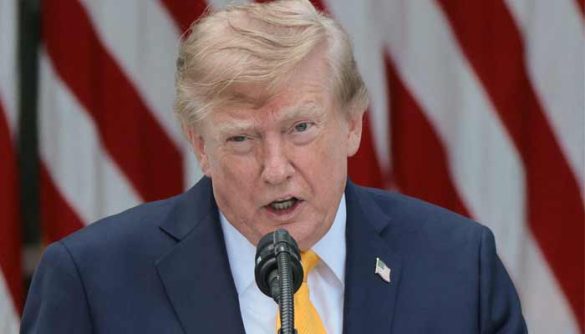
President Donald Trump told Fox News that the United States would pause strikes for now but would resume “heavy bombing” if Iran fails to reach a peace agreement.
Iran responds with attacks on US bases
In response, Iran’s Islamic Revolutionary Guard Corps (IRGC) claimed it had launched counterattacks on 18 US-linked military targets, including bases in Kuwait, Bahrain, and Jordan. Iranian media also reported missile launches aimed at US installations in the region.
However, US Central Command rejected claims that any American vessels were struck or that the Strait of Hormuz had been closed, stating that commercial shipping continued despite Iranian threats.
Trump Says US Apache Helicopter Crew Safe After Crash Near Strait of Hormuz
Strait of Hormuz tensions and oil market impact
Iranian military officials warned that any vessel attempting to pass through the Strait of Hormuz could be targeted. Iranian media also claimed attacks on US ships, though these reports have not been independently confirmed.
The Strait of Hormuz remains a critical global energy route, handling a significant portion of the world’s oil and gas shipments. Even the threat of disruption has already pushed global oil prices higher, with markets reacting sharply to renewed instability.
Wider regional conflict continues
The current escalation comes amid a broader regional conflict that began earlier this year following US-Israeli strikes on Iran. Since then, both sides have repeatedly exchanged attacks despite attempts at diplomatic negotiations.
Iran has also accused the US of targeting civilian infrastructure, including water reservoirs supplying rural areas, allegations Washington has not publicly addressed.
Meanwhile, fighting continues in parallel between Israel and Hezbollah in Lebanon, adding further pressure to an already volatile regional security situation.
Diplomatic efforts face uncertainty
Despite ongoing violence, officials on both sides continue to suggest that negotiations are still possible. However, repeated breakdowns in ceasefire arrangements and continued military action have raised doubts about any near-term diplomatic breakthrough.
Iran has demanded an end to Israeli strikes in Lebanon, relief from sanctions, and access to frozen assets, while the United States insists Iran must halt missile activity and abandon any pursuit of nuclear weapons—claims Tehran denies.
As strikes continue on multiple fronts, concerns are growing that the conflict could expand further across the Middle East if diplomatic efforts fail to regain momentum.