Pakistan expresses optimism as mediation efforts appear to bring Washington and Tehran closer to a breakthrough agreement.
PM Shehbaz Signals Imminent Peace Agreement
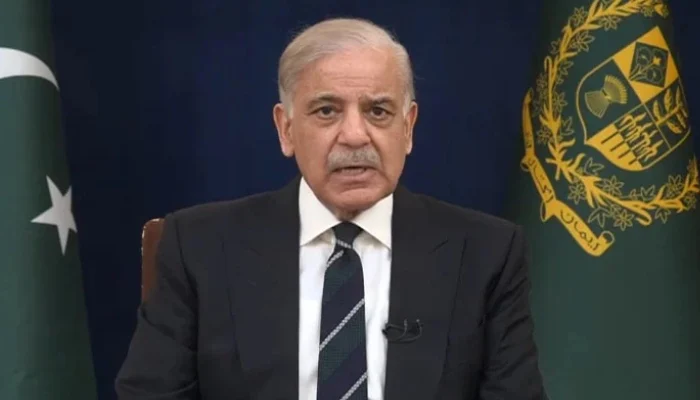
Prime Minister Shehbaz Sharif has said that an initial peace agreement between the United States and Iran could be signed within the next 24 hours, describing the two sides as being closer to a deal than at any point since the conflict began.
In a statement posted on social media platform X, the prime minister said Pakistan was making preparations for the electronic signing of the proposed agreement, which would be followed by technical-level discussions next week.
“We are closer to a peace deal than ever before,” the premier stated, expressing confidence that the agreement could lay the foundation for long-term regional stability.
Pakistan’s Role as a Mediator
Pakistan has played an important diplomatic role in efforts to reduce tensions between the United States and Iran since the conflict erupted following joint US-Israeli military strikes on Iran on February 28.
The war triggered a series of retaliatory actions across the region. Iran launched attacks on American military installations in the Gulf, while the closure of the strategically important Strait of Hormuz disrupted global energy supplies and pushed international oil prices sharply higher.
The conflict also expanded beyond Iran and the United States, with regional actors becoming involved and contributing to a broader security crisis across the Middle East.
What the Proposed Agreement Includes
According to details shared by multiple diplomatic sources, the proposed memorandum of understanding contains several key provisions aimed at reducing tensions and restoring stability.
Among the most significant elements is the reopening of the Strait of Hormuz, one of the world’s most important shipping routes for oil and gas exports. The agreement would also reportedly lead to the lifting of the US naval blockade on Iranian ports.
In return, the United States is expected to begin releasing billions of dollars in frozen Iranian assets and ease sanctions affecting Iran’s oil exports.
Officials familiar with the negotiations say these measures are intended to create conditions for broader political and security discussions between the two countries.
Nuclear Programme Remains a Major Issue
Despite progress toward a preliminary agreement, Iran’s nuclear programme remains one of the most sensitive issues in the negotiations.
Under the reported framework, both countries would enter a 60-day period of talks focused on Tehran’s nuclear activities. US officials have indicated that Washington ultimately seeks the dismantling of Iran’s nuclear programme and the removal of its stockpile of highly enriched uranium.
However, Iranian Foreign Minister Abbas Araghchi has suggested that Tehran wants to retain nuclear material in a diluted form rather than completely eliminate it.
This difference remains one of the most significant challenges facing negotiators as they work toward a comprehensive settlement.
Trump Urges Pakistan and Regional States to Support Israel Peace Framework During Iran Talks
Differences Persist Despite Progress
Reports suggest the draft agreement may also address issues such as potential war reparations and future security arrangements. However, there are differing accounts regarding whether restrictions on Iran’s missile programme are included in the discussions.
While US officials have described the negotiations as moving in a positive direction, Iranian leaders have presented the tentative agreement as evidence that their country emerged resilient from the conflict.
Speaking on state television, Araghchi argued that Iran had strengthened its position during the war, although negotiations remain ongoing and final details have yet to be confirmed.
Regional Security Concerns Continue
Even as diplomatic efforts advance, tensions in the region remain high.
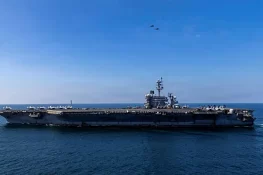
According to sources familiar with recent developments, US forces intercepted several Iranian drones that were reportedly heading toward the Strait of Hormuz. American military officials later confirmed defensive action had been taken and stated that maritime traffic through the waterway remained secure.
The incident underscored the fragile nature of the current situation and highlighted the importance of reaching a formal agreement as quickly as possible.
Hope for a Broader Settlement
If signed, the initial agreement would mark the first major step toward ending months of conflict that have affected regional security, global energy markets and international diplomacy.
While substantial issues remain unresolved—particularly regarding Iran’s nuclear programme—the expected deal is being viewed by diplomats as an important breakthrough that could pave the way for more comprehensive negotiations in the weeks ahead.
Pakistan, which has been actively involved in mediation efforts, has expressed hope that the agreement will contribute to lasting peace, economic stability and reduced tensions across the Middle East.