Pakistan on Monday rejected India’s assertions concerning the depiction and status of the disputed Jammu and Kashmir region, saying New Delhi’s position was contrary to what Pakistan described as internationally recognised facts.
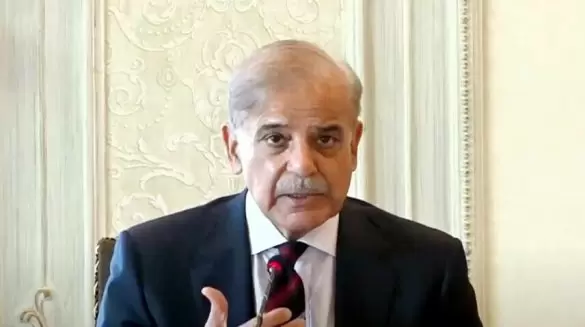
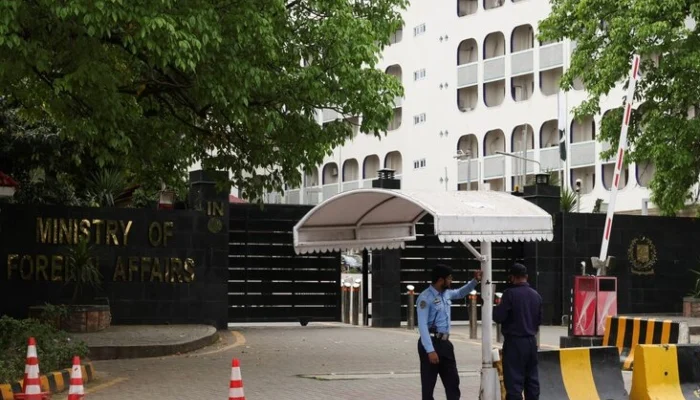
Foreign Office spokesperson Sajjad Haider Khan said India’s unilateral actions and continued control over the territory could not alter what Pakistan considers the internationally recognised disputed status of Jammu and Kashmir.
The statement came after India’s foreign ministry called for the disputed Jammu and Kashmir and Ladakh regions to be shown according to India’s official map.
Pakistan Says UN Maps Reflect Disputed Status
Responding to the Indian position, the Foreign Office spokesperson said official United Nations maps depicting Jammu and Kashmir as a disputed territory remain, in Pakistan’s view, the relevant cartographic representation of the region’s legal status.
Khan rejected India’s unilateral claims of sovereignty, saying such claims and the maps issued by New Delhi did not determine the status of the disputed territory.
The disagreement over maps is part of the broader and long-running dispute between Pakistan and India over Jammu and Kashmir. Both countries claim the region in full but administer different parts of it.
Pakistan has consistently maintained that the dispute should be resolved in accordance with relevant United Nations Security Council resolutions and the wishes of the Kashmiri people.
FO Calls for Right to Self-Determination
The Foreign Office spokesperson described Jammu and Kashmir as one of the oldest unresolved disputes on the UN Security Council’s agenda.
According to Khan, the relevant UN resolutions provide for determining the region’s final status in accordance with Security Council resolutions and through the will of the Kashmiri people, which Pakistan says should be expressed through a free and impartial plebiscite conducted under UN auspices.
He called on the international community to press India to end what Pakistan describes as human rights violations in Indian Illegally Occupied Jammu and Kashmir (IIOJK).
Azad Kashmir Shuts Down in Protest Over Economic Hardship and Political Demands
Khan also urged the international community to support what Pakistan describes as the Kashmiri people’s right to self-determination in line with relevant UN Security Council resolutions.
India, however, maintains that Jammu and Kashmir is an integral part of the country and rejects Pakistan’s characterisation of the region and its status.
Map Dispute Comes Amid Broader UN Cartography Debate
The Foreign Office statement also comes shortly after a separate development at the United Nations concerning the representation of the world on maps.
On September 4, the UN General Assembly voted to adopt a new world map based on the Equal Earth cartographic projection, which is designed to provide a different visual representation of the relative sizes of continents.
The resolution received the support of 164 countries, while the United States voted against it and six countries abstained.
According to the resolution, the new projection aims to improve the accuracy of cartographic representations of the world by providing a more proportionate depiction of continental landmasses.
The cartographic debate, however, is separate from the longstanding political and legal dispute over Jammu and Kashmir.
Dispute Remains a Major Regional Issue
The Jammu and Kashmir dispute has remained a major source of tension between Pakistan and India for decades and has repeatedly affected relations between the two nuclear-armed neighbours.
Pakistan continues to call for a resolution based on relevant UN resolutions and the right to self-determination of the Kashmiri people, while India maintains its claim over the territory.
With both sides retaining fundamentally different positions, the question of Jammu and Kashmir remains unresolved, while diplomatic statements from Islamabad and New Delhi continue to reflect the longstanding disagreement over the region’s status.