TEHRAN: Iran has said negotiations with the United States are continuing through regional mediators, including Pakistan and Qatar, despite ongoing tensions and uncertainty over the prospects for a diplomatic agreement.
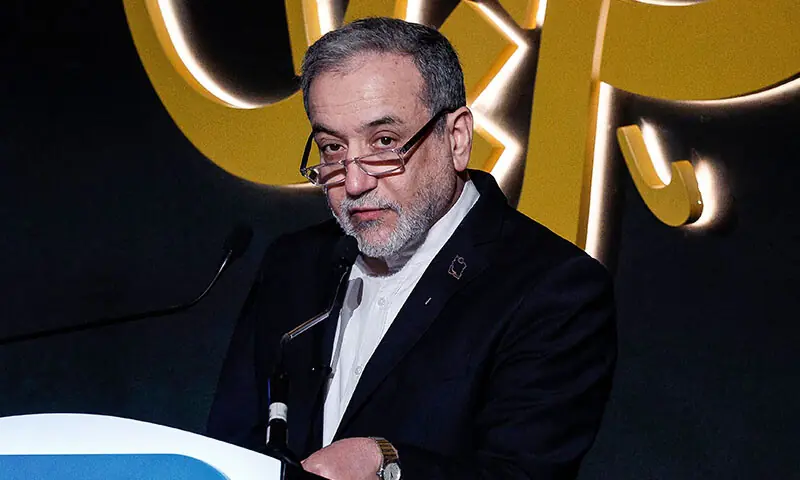
Iranian Foreign Minister Abbas Araghchi made the remarks during an interview with Iraqi media, according to Iran’s state news agency IRNA on Wednesday.
The statement comes as Pakistan steps up diplomatic engagement with Tehran and other regional capitals amid concerns over maritime security, attacks on Saudi targets and the wider implications of the Middle East conflict.
Iran Claims Military Control Over Strait of Hormuz
Major General Mostafa Izadi, deputy commander of the Islamic Revolutionary Guard Corps (IRGC), claimed that Iran’s armed forces maintained control over the battlefield in the Strait of Hormuz and would continue to do so for as long as the Islamic Republic desired.
Speaking at a gathering in the central Iranian city of Khomain on Tuesday, Izadi said the IRGC Navy and Aerospace Forces maintained operational and intelligence superiority over the strategic waterway.
He argued that public support for the Iranian government was essential to protecting the country’s achievements and countering what he described as enemy plots.
Izadi also made claims about Iran’s missile capabilities, alleging that American forces had moved approximately 700 kilometres away to reduce their exposure to potential IRGC missile attacks.
He referred to what he described as the 12-day and 40-day wars, claiming that Iran had prevailed despite its adversaries deploying their full military capabilities.
These statements reflect the Iranian military leadership’s position. The claims about battlefield control and the movement of American forces were not independently verified in the report.
The Strait of Hormuz remains a strategically important shipping route for global energy supplies, making security developments in the area a major concern for international markets.
Iraq Closes Sheeb Border Crossing With Iran
Separately, Iraq has closed the Sheeb border crossing with Iran to review security arrangements and install detection equipment intended to prevent the smuggling of prohibited materials, an Iraqi border official said on Wednesday.
Two other sources at the crossing said passenger movement, vehicles and commercial trucks would remain suspended until further notice.
An Iraqi border crossings official described the existing security arrangements at Sheeb as weak and inadequate.
The closure follows Iraq’s decision to shut the Shalamcheh crossing with Iran in September as a precaution after drone attacks on Saudi Arabia. Two security sources said at the time that Riyadh had reported the drones were launched from Iraqi territory.
The latest measures underscore growing regional concerns about border security, weapons smuggling and the potential spillover of conflicts involving Iran and its regional rivals.
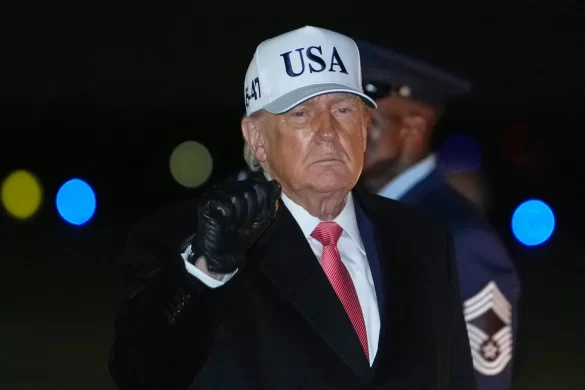
Iran denies US talks after Trump says negotiations prompted strike cancellation
Iran Says Saudi Arabia and Houthis Have Not Responded to Mediation Offer
Araghchi also said Iran had not received a response from Saudi Arabia or Yemen’s Houthi movement to Tehran’s offer to help facilitate talks aimed at ending their conflict.
Speaking in an interview with Iraq’s Al Ekhbariya TV broadcast on Tuesday, the Iranian foreign minister addressed the possibility of Egypt joining Saudi Arabia in a military campaign against the Houthis.
“Any foreign intervention would complicate matters,” Araghchi said.
He added that Cairo had previously told Tehran it would not directly intervene in the Yemeni conflict.
Egypt has said it is prepared to provide Saudi Arabia with the support necessary to defend its security, a position that could increase regional tensions if the conflict expands.
A vote in the Egyptian parliament on possible military action against the Houthis was reportedly postponed until October 26.
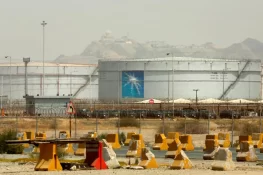
The developments come amid intensified Houthi attacks on Saudi targets, including energy infrastructure and airports, raising concerns about the security of the kingdom and the wider Gulf region.
Asim Munir’s Tehran Visit Focuses on Regional Diplomacy
Pakistan has continued diplomatic engagement with Iran as it seeks to manage its relationships with Tehran, Washington and Riyadh.
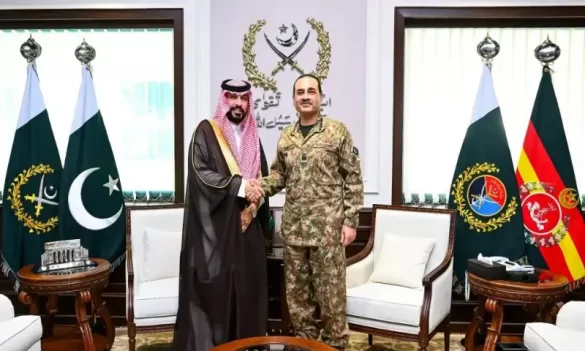
The Pakistan-Iran border reopened on Tuesday while Chief of Defence Forces and Army Chief Field Marshal Syed Asim Munir held high-level meetings in Tehran. Interior Minister Mohsin Naqvi accompanied him on the visit.
Munir met Iranian President Masoud Pezeshkian, Parliament Speaker Mohammad Bagher Ghalibaf, Foreign Minister Abbas Araghchi and General Mohsen Rezaei, an Iranian official who serves as a representative of the Supreme Leader and Secretary of the Supreme National Security Council.
During a meeting with Rezaei, Munir was quoted in Iranian readouts as saying that outstanding border-related issues had been resolved and the crossing had reopened.
An official familiar with the visit told The Express Tribune that the discussions had gone “very well” but did not provide further details.
No official Pakistani statement had been issued at the time of the original report.
Pakistan Faces a Delicate Regional Balancing Act
The latest visit comes at a sensitive time for Islamabad, which is attempting to facilitate diplomatic engagement between Iran and the United States while maintaining its security partnership with Saudi Arabia.
Pakistan has pledged to defend Saudi Arabia under the Makkah Joint Defence Agreement. At the same time, it maintains diplomatic and economic ties with neighbouring Iran and has sought to reduce regional tensions through dialogue.
The intensifying Houthi attacks on Saudi energy facilities, airports and other infrastructure have added another challenge to Pakistan’s regional diplomacy.
Islamabad must balance its commitments to Riyadh with its engagement with Tehran, particularly as concerns grow over the potential expansion of regional hostilities.
Diplomatic Efforts Continue Amid Security Concerns
Iran’s latest statement suggests that communication with Washington through regional intermediaries remains ongoing, although it does not establish that a breakthrough is imminent.
Meanwhile, Iran’s assertions about the Strait of Hormuz, Iraq’s tighter border controls and the continuing tensions between Saudi Arabia and the Houthis highlight the multiple security challenges facing the region.
Pakistan’s diplomatic role could prove important in maintaining communication between rival parties, but the outcome will depend on whether the parties involved are willing to pursue negotiations and reduce tensions.
For now, diplomatic contacts are continuing alongside military and security developments, leaving the regional situation uncertain.