Pakistan on Saturday criticised the Afghan Taliban leadership’s approach to resolving tensions between the two countries, describing it as “deeply misguided” and insisting that terrorism emanating from Afghan soil remained the main obstacle to normal relations.
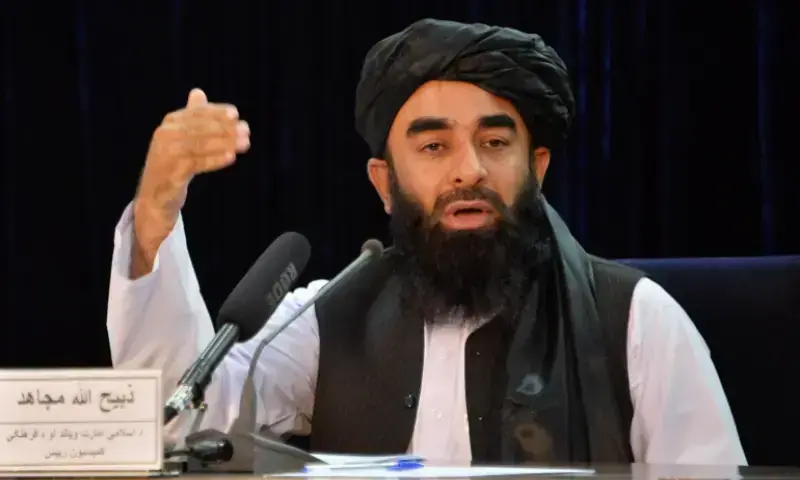
The response followed remarks by Afghan Taliban spokesman Zabihullah Mujahid, who accused Islamabad of lacking the willingness to resolve the dispute through dialogue. He said efforts by Kabul, Islamabad and mediating countries had so far failed to ease tensions.
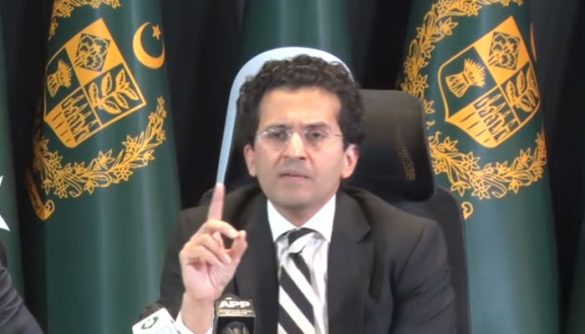
In a statement posted on its official X account, Pakistan’s Ministry of Information and Broadcasting said the Taliban leadership continued to blame Islamabad’s policies while overlooking what Pakistan considers the central issue in bilateral relations: militant activity originating from Afghanistan.
Pakistan’s Warning
The ministry reiterated that terrorism was a red line and that the security of Pakistani citizens was non-negotiable.
It said Pakistan would not tolerate terrorist sanctuaries across its borders that threatened national security or allow attacks originating from Afghanistan to continue without a response.
The statement added that Islamabad reserved the right to take all necessary measures, in accordance with international law, to eliminate threats to its national security, regardless of where they originated.
“Kabul must recognise that the responsibility for addressing these threats rests squarely with the Afghan Taliban regime,” the ministry said, warning that Pakistan’s determination to protect its citizens should not be mistaken for weakness.
It added that shifting blame, issuing assurances and questioning Pakistan’s policies would not resolve the crisis or remove Kabul’s responsibility to address militant activity.
Dialogue Efforts Stall
Mujahid told Radio Azadi that Afghanistan had made its final efforts through negotiations to ease tensions with Pakistan, but these attempts had produced no results.
He confirmed that messages had been exchanged between Kabul and Islamabad. However, efforts by mediating countries and Afghan Taliban officials had also failed to reduce tensions.
The latest exchange of statements highlights the continuing disagreement between the two sides over responsibility for cross-border militancy and the conditions required to restore normal relations.
Pakistan Raises Concerns at UN
A day before its latest statement, Pakistan had urged the Afghan Taliban authorities to take decisive action against militant groups operating from Afghan territory. Islamabad also questioned what it described as the Taliban administration’s alleged support for groups, including the Tehreek-e-Taliban Pakistan (TTP), and reaffirmed Pakistan’s right to self-defence.
Speaking during an interactive dialogue with the UN special rapporteur on the human rights situation in Afghanistan at the General Assembly’s Third Committee, Counsellor Muhammad Jawad Ajmal of Pakistan’s Permanent Mission to the United Nations expressed concern about the presence and activities of several militant organisations in Afghanistan.
The groups identified by Pakistan included the TTP, Balochistan Liberation Army, Majeed Brigade, Islamic State in Khorasan Province and East Turkestan Islamic Movement, along with their affiliates.
Pakistan Urges Afghan Taliban to Take Decisive Action Against Terrorist Groups
Rising Security Concerns
Relations between Pakistan and Afghanistan have deteriorated amid recurring cross-border attacks and disputes over militant groups operating from Afghan territory.
Islamabad has repeatedly called on the Afghan Taliban administration to prevent organisations, particularly the TTP, from using Afghanistan as a base for attacks inside Pakistan. The Taliban authorities have disputed aspects of Pakistan’s allegations, while the two sides have struggled to agree on effective measures to address the security concerns.
Pakistani officials have also alleged that militant networks benefit from training facilities, weapons and operational support inside Afghanistan. They have linked these factors to the continued threat posed by cross-border infiltration.
According to figures cited by Pakistani authorities, attacks originating from Afghan territory in 2026 had killed 1,327 Pakistanis and injured another 2,484.
Pakistan has further argued that the problem extends beyond the TTP, pointing to the reported presence of other militant organisations in Afghanistan. United Nations assessments have also documented the presence of several militant groups in the country, although the activities and threat posed by individual organisations vary.
Islamabad Demands Action
Pakistan maintains that resolving the dispute requires verifiable action against militant sanctuaries, training facilities and cross-border infiltration routes.
Officials say Kabul must ensure that Afghan territory is not used to launch attacks against Pakistan and argue that statements denying responsibility are insufficient without practical measures on the ground.
Islamabad has repeatedly framed the issue as a matter of national security, maintaining that it cannot allow continued attacks on its citizens to go unanswered.
The latest statement reinforces Pakistan’s position that improved bilateral relations depend on effective action against militant groups. However, with dialogue efforts yet to produce a breakthrough, tensions between the neighbouring countries remain unresolved.