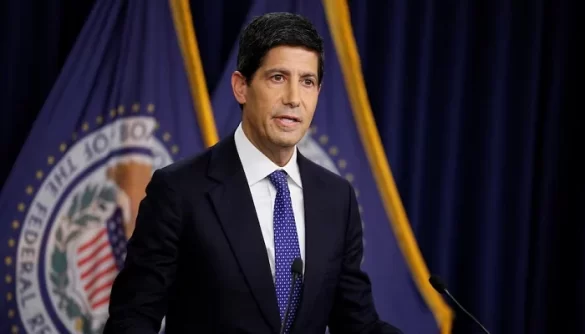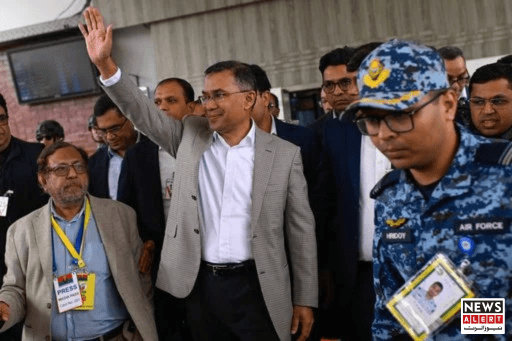
Dhaka, Bangladesh – Tarique Rahman, the eldest son of former Prime Minister Khaleda Zia and the acting chairman of the Bangladesh Nationalist Party (BNP), has returned to Bangladesh after 17 years. His arrival sparked excitement across the country, drawing thousands to the streets of Dhaka to welcome him.
A Long-Awaited Homecoming
Tarique Rahman left Bangladesh in 2008 after serving an 18-month prison sentence on corruption charges. He moved to the United Kingdom for medical treatment and personal reasons. During his long stay abroad, he remained a key strategist for the BNP.
Rahman’s return marks a major moment in Bangladesh’s political landscape. Supporters gathered along Dhaka’s streets, waving flags and chanting slogans. Many expressed optimism about the party’s future under his leadership. Videos and photos from the event showed jubilant crowds, highlighting the BNP’s enduring grassroots support.
Political Implications Ahead of Elections
Analysts say Rahman’s return could significantly affect national politics, especially with the general elections scheduled for February 2026. The BNP has faced internal divisions and legal challenges in recent years. Rahman’s presence may help unite the party and energize its base.
His return is more than symbolic, said a political analyst in Dhaka. It could reshape alliances, boost party morale, and influence opposition strategies in the upcoming elections.
Since 2008, Bangladesh’s political scene has been dominated by the ruling Awami League. The BNP has struggled to maintain a visible presence while its leaders faced legal and political obstacles. Rahman’s return may intensify competition in constituencies where the BNP traditionally enjoyed strong support.
Tarique Rahman’s Political Background
Tarique Rahman has long been a controversial figure. He played a key role in the BNP during his mother Khaleda Zia’s tenure as Prime Minister. He is credited with modernizing the party’s image, but critics have repeatedly accused him of corruption and misusing power.
Despite controversies, Rahman retains loyal support, particularly among younger party activists. During his years abroad, he regularly advised party members on strategy and candidate selection. His return signals his commitment to leading the BNP on the ground, as political tensions rise ahead of elections.
Public Reaction and Security Measures
Dhaka witnessed both celebration and tight security during Rahman’s return. Authorities deployed extra police to manage the crowds and prevent disruptions. Observers described the turnout as one of the largest political mobilizations in recent years.
While his return energized BNP supporters, it also raised concerns about potential clashes with rival political groups. Bangladesh has a history of intense political rivalry, and movements by prominent leaders often draw scrutiny from security agencies and the public.
Looking Ahead
As Bangladesh approaches the 2026 elections, Tarique Rahman is expected to dominate political headlines. Analysts predict his strategies and public engagements could influence voter sentiment, party alliances, and election dynamics. Whether his return will translate into electoral gains remains uncertain.
For now, thousands of Bangladeshis celebrate a long-awaited homecoming, reflecting both nostalgia and hope for the BNP’s revival under Rahman’s leadership.