An Al Jazeera analysis suggests that Pakistan has strengthened its global diplomatic standing over the past decade, despite India’s efforts to isolate it internationally.
Report Revisits Modi’s 2016 Pledge
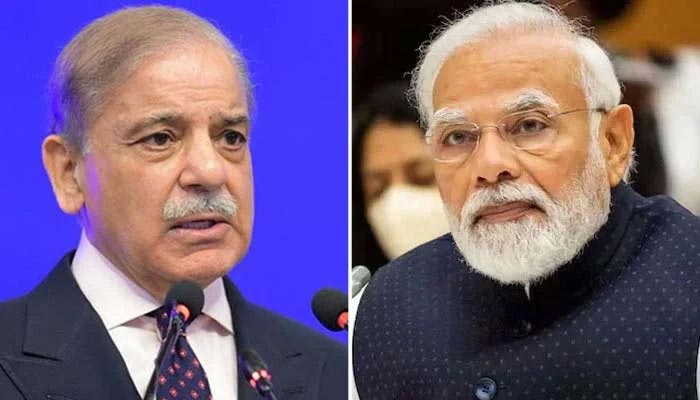
Indian Prime Minister Narendra Modi’s long-standing efforts to diplomatically isolate Pakistan have largely failed, according to a report by Al Jazeera. The report argues that Pakistan has successfully positioned itself as an important diplomatic partner for major global and regional powers.
The assessment comes nearly ten years after Modi publicly vowed to isolate Pakistan following an attack in Indian Illegally Occupied Jammu and Kashmir (IIOJK) in 2016 that killed 18 Indian soldiers. Addressing a public gathering in the Indian state of Kerala at the time, Modi pledged to intensify diplomatic efforts against Pakistan and ensure that it remained isolated on the international stage.
However, analysts cited in the report believe that the current geopolitical landscape tells a very different story.
Pakistan’s Expanding Diplomatic Reach
According to the report, Pakistan today maintains close strategic relations with China while also rebuilding its relationship with the United States under the administration of Donald Trump.
Over the past year, Prime Minister Shehbaz Sharif and Chief of Army Staff and Chief of Defence Forces Syed Asim Munir reportedly held meetings with President Trump at the White House. Pakistan has also been described as playing a significant role in diplomatic efforts involving Washington and Tehran.
Analysts quoted in the report suggest that Islamabad has effectively leveraged changing geopolitical dynamics and regional developments to enhance its international relevance and strengthen ties with influential global powers.
Pakistan-India Relations Remain Strained
Despite these developments, relations between Pakistan and India remain tense. Diplomatic engagement between the two nuclear-armed neighbours has been limited in recent years, while border tensions and military confrontations have continued to shape bilateral relations.
The report references the brief military conflict between the two countries in May 2025, which lasted approximately 87 hours before ending with a ceasefire. According to Pakistan’s official position, several Indian military assets, including fighter aircraft and drones, were brought down during the confrontation.
The ceasefire that ended the conflict was announced on May 10, 2025. While India maintained that the agreement resulted from direct bilateral engagement, President Trump repeatedly stated that the United States played a key role in facilitating the truce and preventing further escalation.
Diverging Narratives After the Ceasefire
The report notes that Trump continued to claim on multiple occasions that Washington helped broker peace between the two countries. He also publicly suggested that Indian fighter jets had been shot down during the conflict, a claim that aligned with Pakistan’s position.
Analysts cited by Al Jazeera argue that India’s reluctance to directly address some of these claims contributed to a perception in parts of the international community that Pakistan had gained an advantage in the global narrative surrounding the conflict.
The report further states that India was unable to convince many international observers of its allegations regarding Pakistan’s involvement in the attack that triggered the 2025 crisis. According to analysts, this weakened New Delhi’s diplomatic case during the confrontation.
Impact on US-India Relations
Some experts quoted in the report believe that Modi’s refusal to publicly acknowledge Trump’s role in the ceasefire created friction in relations between New Delhi and Washington.
In contrast, Pakistan openly welcomed American diplomatic efforts and even nominated President Trump for the Nobel Peace Prize in recognition of his role in helping achieve the ceasefire.
These contrasting approaches, analysts argue, further highlighted the differing diplomatic strategies adopted by the two South Asian rivals.
Strengthening Ties with Bangladesh and China
The report also highlights Pakistan’s improving relations with Bangladesh following the departure of former Prime Minister Sheikh Hasina from office.
Meanwhile, Pakistan’s strategic partnership with China continued to deepen. The report notes that Chinese-made defence systems and aircraft featured prominently during the 2025 conflict, underlining the close military cooperation between the two countries.
China remains Pakistan’s largest strategic partner and a major investor through initiatives such as the China-Pakistan Economic Corridor (CPEC), which has become a central component of broader regional connectivity plans.
Growing Security Cooperation with Gulf States
Another factor highlighted in the report is Pakistan’s expanding security cooperation with Gulf countries. As regional tensions in the Middle East have intensified, several Gulf states have sought to diversify their security partnerships beyond their traditional reliance on the United States.
The report points to a mutual defence agreement signed between Pakistan and Saudi Arabia in September 2025. It also notes speculation that other Gulf nations, along with Türkiye, could explore deeper defence cooperation frameworks involving Pakistan.
Analysts suggest that the 2025 conflict further strengthened Pakistan’s image as a capable security partner, contributing to increased international interest in Pakistani defence technology and military cooperation.
A Changing Regional Landscape
According to the Al Jazeera report, the last decade has seen significant shifts in regional and global geopolitics. While India remains an important global power with growing economic and strategic influence, Pakistan has also managed to maintain and, in some areas, expand its diplomatic relevance.
The report concludes that rather than becoming isolated, Pakistan has capitalised on changing geopolitical realities, strengthening relationships with major powers, regional allies, and emerging partners. As a result, analysts believe Islamabad remains an influential actor in South Asian and broader international diplomacy despite years of efforts aimed at reducing its global standing.