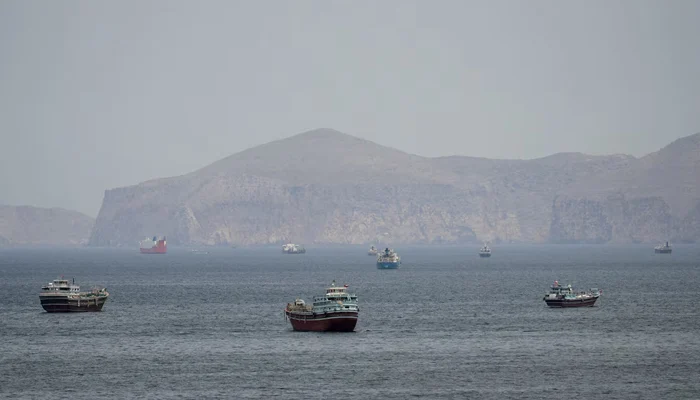
A new report has warned that clearing the Strait of Hormuz of sea mines could take as long as six months, raising serious concerns about prolonged disruptions to global energy supplies and maritime trade.
Strategic Waterway Under Pressure
According to a report cited by the Washington Post, a Pentagon assessment suggests that Iranian-laid mines in and around the strait could significantly delay the reopening of one of the world’s most important shipping routes.
The Strait of Hormuz is a critical passage through which nearly one-fifth of global oil and gas shipments pass under normal conditions. Any disruption to this route has immediate effects on global energy prices.
Possible Mine Deployment and Security Risks
US lawmakers were reportedly briefed that Iran may have deployed 20 or more naval mines in the region, some of which could be remotely guided using GPS technology. These advanced systems make detection and removal more difficult than traditional naval mines.
Iran’s Revolutionary Guard has reportedly designated a large “danger zone” spanning approximately 1,400 square kilometres, where mines may be present. This has further complicated navigation and military planning in the area.
Impact on Global Energy Markets
Since the escalation of tensions between the United States and Iran, oil and gas prices have risen sharply due to concerns over supply disruptions. The Strait of Hormuz remains a key transit point for energy exports from Gulf countries, and prolonged closure could sustain high global energy costs.
Even during a temporary ceasefire period, shipping activity has remained limited, with many commercial vessels avoiding the area due to security risks.
Iran Says US Talks Progressing but Final Deal Still Far Away as Hormuz Tensions Escalate
Military and Diplomatic Responses
Reports indicate that discussions are ongoing among international partners regarding a potential multinational mission to secure maritime routes once conditions allow. A UK and France-led initiative has been proposed to coordinate mine-clearing operations and ensure safe navigation in the region.
At the same time, the US Navy has reportedly been involved in monitoring the area, although conflicting claims have emerged regarding actual mine-clearing operations.
Uncertainty Over Timeline
While the Pentagon assessment suggests a clearance period of up to six months, officials have also indicated that such an operation is unlikely to begin until active hostilities fully end.
This uncertainty adds to concerns among shipping companies and global energy traders, many of whom are seeking clearer guidance on safe routes and timelines for resuming normal operations.
The situation in the Strait of Hormuz highlights how quickly geopolitical tensions can affect global trade infrastructure. As diplomatic and military efforts continue, the timeline for restoring full maritime access remains uncertain, keeping energy markets and international shipping on alert.