Israel and Lebanon have agreed to extend their ceasefire by 45 days following two days of US-facilitated negotiations in Washington, according to the US State Department.
The extension applies to the existing “cessation of hostilities” agreement, which was originally set to expire on Sunday. The new timeline is intended to allow additional diplomatic progress in reducing tensions along the Israel-Lebanon border.
A State Department spokesperson said the talks were “highly productive” and confirmed that both sides have agreed to continue discussions in the coming weeks.
Background of the conflict
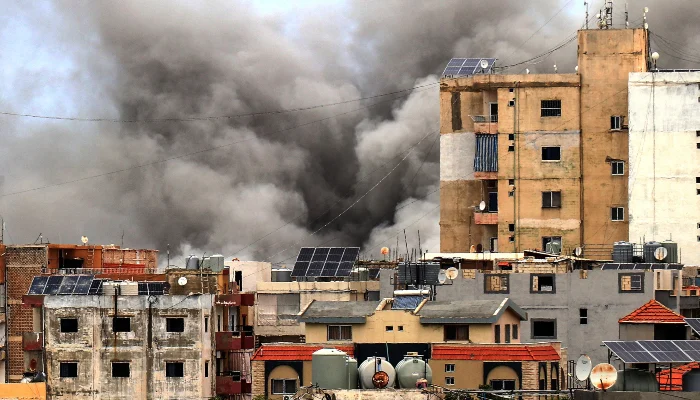
The ceasefire extension comes after months of escalating violence involving Israel and the Iran-backed group Hezbollah in southern Lebanon. Hostilities intensified earlier this year when cross-border rocket fire and Israeli airstrikes escalated into broader military exchanges.
Israeli air operations and ground activity in southern Lebanon have reportedly displaced large numbers of civilians, further deepening the humanitarian crisis in the region.
US-led diplomatic effort expands
The negotiations in Washington represent one of the most significant diplomatic engagements between Israeli and Lebanese representatives in decades.
According to US officials, the talks will now evolve into a structured process involving two separate tracks:
- A security track hosted at the Pentagon, scheduled for May 29
- A political dialogue track at the State Department on June 2–3
These sessions aim to address both immediate security concerns and long-term political arrangements between the two countries.
Positions of Lebanon and Israel
Lebanon’s delegation, which attended the talks despite internal political disagreements with Hezbollah, emphasized the need to fully halt hostilities and strengthen state institutions. Lebanese officials described the ceasefire extension as “critical breathing space” for civilians and governance stability.
Israel, on the other hand, has maintained that any long-term agreement must include the disarmament of Hezbollah and stronger security guarantees along its northern border.
Israeli Ambassador to the United States Yechiel Leiter described the discussions as “frank and constructive,” while acknowledging that negotiations may face challenges before any final agreement is reached.
Wider regional implications
The Israel-Lebanon talks are taking place alongside broader diplomatic efforts related to regional conflicts involving Iran and its allies. Analysts say these parallel negotiations reflect Washington’s attempt to reduce multiple flashpoints across the Middle East.
The situation in southern Lebanon remains sensitive, with both sides continuing to maintain military positions despite the ceasefire extension.
Outlook for peace process
While the 45-day extension provides temporary relief, observers note that achieving a lasting agreement will require progress on deeper political and security issues, including border demarcation, militant disarmament, and long-term regional stability.
Officials from all sides have expressed cautious optimism, but acknowledged that the path toward sustained peace remains complex and uncertain.