Tehran is confronting rising inflation, shrinking trade and continued pressure over the Strait of Hormuz as efforts to revive negotiations remain stalled.
Iranian leaders are increasingly acknowledging the economic strain caused by the prolonged conflict with the United States, as tightening US sanctions and restrictions on trade add to the pressure on Tehran’s already fragile economy.
Iranian President Masoud Pezeshkian said the country’s exports and imports had fallen by nearly 35% because of US sanctions and a naval blockade of Iranian ports. At the same time, inflation has surged, increasing pressure on households and businesses.
The developments come as the conflict approaches its six-month mark, with diplomatic efforts still unable to produce a lasting agreement and the standoff over the strategically important Strait of Hormuz continuing.
Iranian Leadership Faces Growing Economic Pressure
Supreme Leader Ayatollah Mojtaba Khamenei has called on the government to address the economic difficulties facing the country.
In a written statement attributed to Khamenei, he urged authorities to deal seriously with issues including inflation, unemployment, prices and the management of markets for goods and services.
The call comes as Iran faces growing economic challenges amid the continuation of the war and increasingly restrictive US measures.
Iran’s annual inflation rate reportedly reached 66% last month, adding to concerns about the cost of essential goods and the purchasing power of ordinary households.
US Expands Sanctions Campaign
The Trump administration has intensified its economic campaign against Tehran, warning countries and businesses that continue trading with Iran that they could face secondary sanctions.
Washington has so far stopped short of imposing penalties on some of Iran’s largest trading partners, including China and India, amid concerns that broader restrictions could have consequences for the US and global economies.
The US Treasury Department has, however, imposed sanctions on Egypt’s Banque Misr over business dealings with Iran. Washington also proposed restrictions that would prevent the bank’s branches in the United Arab Emirates from accessing dollar transactions.
Trump Says US Secures Partial Control of Venezuela’s Vast Oil Reserves
Egypt’s central bank said it and the country’s foreign ministry were communicating with US officials over the measure, stressing that the restriction was limited to Banque Misr UAE’s US dollar transactions with correspondent banks.
The US Treasury also announced sanctions against a Hong Kong-based entity and an individual linked to Iran’s Bank Melli.
Iran Says Oil Sales Provided Temporary Relief
Despite the economic pressure, President Pezeshkian said Iran managed to sell around 90 million barrels of oil during a short-lived memorandum of understanding reached between Tehran and Washington in June.
Under that arrangement, Washington temporarily permitted Iranian oil sales. However, the agreement later collapsed following disagreements, particularly over the Strait of Hormuz.
The oil trade remains crucial to Iran’s economy, making the ability to export crude an important issue in the country’s negotiations with the United States.
Strait of Hormuz Remains at Centre of Crisis
The Strait of Hormuz has become one of the most contentious issues in the conflict.
The narrow waterway is a critical route for global energy shipments, and Iran has maintained that it controls access to the strait. The United States, meanwhile, has repeatedly insisted that the waterway is open to international shipping.
US military commanders say American forces have cleared sea mines that were allegedly laid months earlier by Iran’s Islamic Revolutionary Guard Corps.
However, the IRGC’s naval forces have rejected Washington’s claims that the strait is fully open, describing such statements as false and maintaining that ships require Iranian permission to pass.
Preliminary shipping data released on Friday showed that only seven commodity vessels crossed the Strait of Hormuz on Thursday, compared with 17 the previous day and a 10-day average of 15 vessels.
Qatar and Pakistan Seek Diplomatic Opening
As economic and military pressure continues, regional countries are attempting to revive diplomacy.
Qatar’s Prime Minister Sheikh Mohammed bin Abdulrahman Al Thani travelled to Tehran on Thursday and met with Iranian leaders. During the visit, he stressed the importance of restoring the pre-war situation in which commercial shipping could freely navigate the Strait of Hormuz.
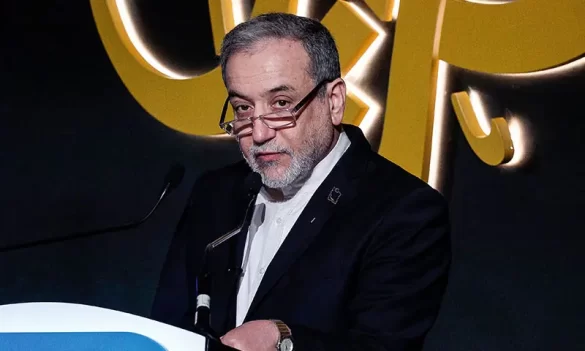
Iranian Foreign Minister Abbas Araqchi later described the discussions with the Qatari prime minister as “creative”.
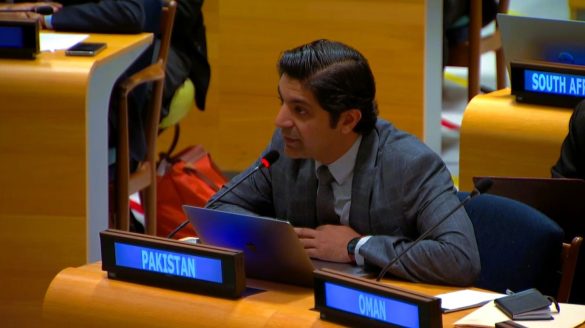
Qatar and Pakistan had previously helped broker the June memorandum of understanding between Iran and the United States, which resulted in a temporary ceasefire. However, disagreements over the Strait of Hormuz eventually caused the arrangement to collapse.
With the war approaching its sixth month, Iran now faces the difficult task of balancing its resistance to US pressure with the growing economic hardships at home. Whether renewed diplomatic efforts can break the deadlock remains uncertain, while the future of the Strait of Hormuz continues to play a central role in both the economic and security dimensions of the crisis.