Tehran says restoring transit through the strategically vital waterway will depend on ending hostilities, lifting sanctions and addressing wartime damage, adding further uncertainty to negotiations.
Iran Links Hormuz Reopening to Multiple Demands
Iran has set several conditions for restoring normal transit through the Strait of Hormuz, potentially complicating international efforts to reopen one of the world’s most important energy routes.
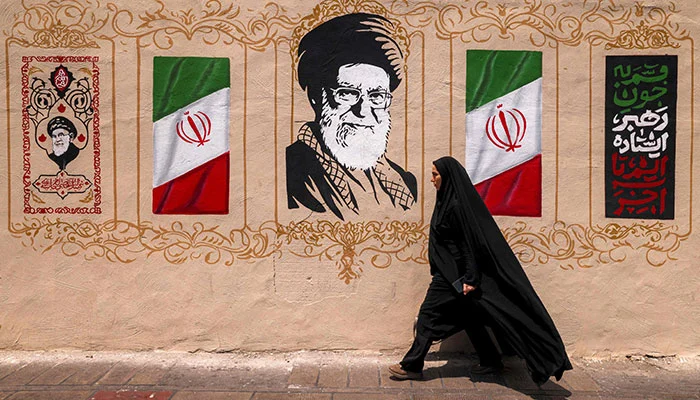
Iranian officials have said that reopening the waterway cannot be treated as a standalone issue and have linked it to broader political and security demands following the conflict with the United States and Israel.
The developments have raised concerns over the future of commercial shipping through the strait, which is a crucial route for global energy supplies.
Iranian Foreign Minister Abbas Araghchi said talks with Oman regarding transit and management arrangements in the strait were approaching their final stages. However, he stressed that reopening Hormuz would remain subject to additional conditions, including compensation for what Tehran described as violations of a June agreement.
Tehran Demands End to Hostilities and Sanctions
Iranian security chief Mohammad Baqer Zolqadr outlined several demands for reopening the waterway.
According to remarks reported by Tasnim, Tehran wants an end to what it calls the “war and aggression” against Iran and its allies in Lebanon, Palestine, Yemen and Iraq.
Iran has also demanded the lifting of a parallel US naval blockade, an end to sanctions, the release of frozen Iranian assets and compensation for damage caused during the conflict.
Meanwhile, Iran’s Islamic Revolutionary Guard Corps (IRGC) said reopening the strait was separate from the ongoing negotiations between Iran and Oman.
The Guards also maintained that other parties would ultimately have to accept Iran’s conditions before the waterway could be fully reopened.
Shipping Through Hormuz Faces Continued Disruptions
The latest statements come as commercial traffic through the Strait of Hormuz has reportedly declined significantly.
Iran has targeted vessels that it accuses of attempting to avoid its preferred shipping route through Iranian waters, further increasing uncertainty for international shipping companies.
The United Arab Emirates on Saturday condemned what it described as a “hostile Iranian attack” on an Adnoc tanker while it was travelling through the strait. According to the UAE foreign ministry, the vessel was struck by a missile, although there were no reported casualties.
Later the same day, the United Kingdom Maritime Trade Operations (UKMTO) said a ship had been hit by a projectile off Oman in the Strait of Hormuz. A fire reportedly broke out but was extinguished, and no casualties were reported.
It was not immediately clear whether the UKMTO incident involved the same vessel mentioned by the UAE.
Oman Calls for Restraint
Oman has emerged as an important intermediary in efforts to establish arrangements for navigation through the strait.
Oman’s foreign ministry condemned what it described as repeated attacks on vessels travelling through Hormuz, although it did not directly name Iran.
At the same time, Muscat said negotiations over navigation arrangements were continuing in a positive and constructive atmosphere and called on all parties to avoid actions that could undermine the talks.
The previous Iran-US understanding had envisaged Iran and Oman discussing future arrangements for the strait with other Gulf states, while taking applicable international law into account.
The issue of imposing tolls on vessels is particularly contentious because international maritime law generally provides for freedom of transit through international straits under certain conditions.
Beyond Defence: Can the Makkah Pact Transform Pakistan’s Economic Prospects?
Hormuz Remains Critical to Global Energy Markets
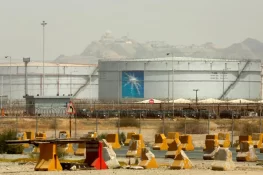
The Strait of Hormuz is one of the world’s most strategically important maritime chokepoints. Large volumes of oil and liquefied natural gas move through the narrow waterway, making any prolonged disruption potentially significant for global energy markets.
As a result, uncertainty over the strait can affect not only shipping companies but also oil prices, insurance costs and energy security in major importing countries.
A prolonged disruption could therefore have economic consequences well beyond the region.
Regional Defence Cooperation Also Expands
The developments around Hormuz come amid broader efforts by regional countries to strengthen security cooperation.
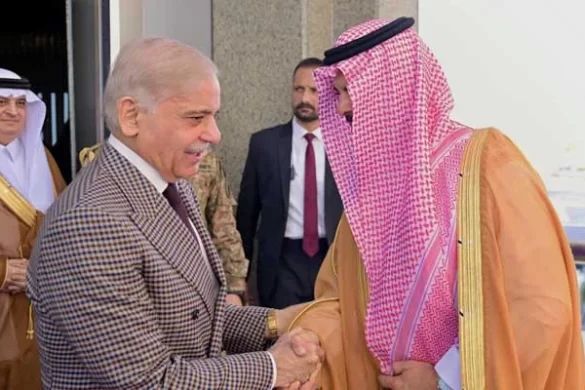
Turkish Foreign Minister Hakan Fidan said on Saturday that he expected Egypt to eventually join the joint defence agreement recently signed by Türkiye, Saudi Arabia and Pakistan in Makkah.
Fidan described Egypt as a natural partner on regional issues and said the countries already cooperate closely.
He also stressed that the agreement was not directed against any particular country, saying there was no specific common threat identified in the agreement.
The comments come after a drone attack on US assets at an Egyptian Mediterranean port last month, reportedly the first such attack on Egyptian territory since the conflict began.
A Complicated Path Ahead
For now, the reopening of the Strait of Hormuz remains tied to a wider diplomatic and security dispute.
While Iran and Oman say negotiations on navigation arrangements are progressing, Tehran’s additional demands—including compensation, sanctions relief and an end to military action—could make a comprehensive agreement more difficult.
With commercial vessels continuing to face security risks, the coming days will be crucial in determining whether diplomatic efforts can restore safer and more predictable passage through the strategically vital waterway.