The Kremlin has expressed hope that negotiations involving Iran will continue, warning that any breakdown in diplomacy could have serious consequences for the Gulf region and the global economy. The statement comes amid heightened tensions and uncertainty over the future of talks between Iran and the United States.
Call to Avoid Military Escalation
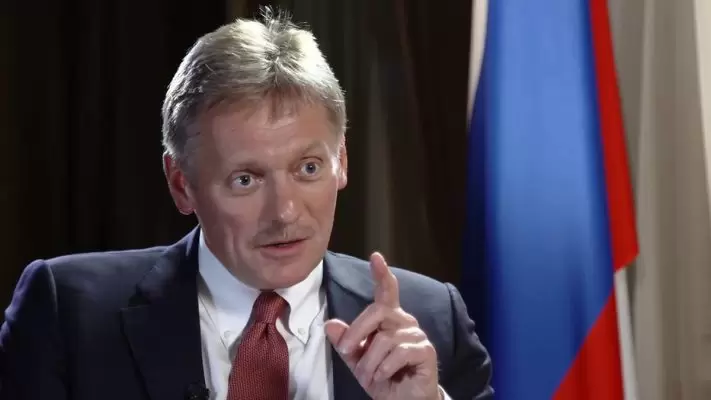
Kremlin spokesman Dmitry Peskov told reporters that the situation in the Gulf remains “fragile and unpredictable.” He stressed that continued dialogue is essential to prevent further escalation toward a military scenario.
According to Peskov, Russia believes that maintaining diplomatic engagement is the only viable path to reducing regional risks. His remarks reflect broader concerns in Moscow that instability in the Middle East could disrupt energy markets and global trade routes.
Russia Not a Mediator, but Open to Support
While emphasizing its position, Peskov clarified that Russia is not currently acting as a mediator in Iran-related negotiations. However, he added that Moscow is prepared to assist if requested by the involved parties.
He stated that Russia is willing to provide support in facilitating a peaceful resolution and helping reach a diplomatic agreement, should its involvement be needed.
How Words Shape War: Media Framing in the US–Iran–Israel Conflict
Strategic Importance of Gulf Stability
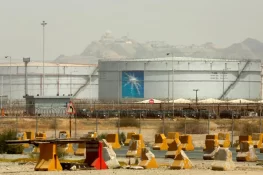
The Kremlin’s comments also highlight the wider geopolitical importance of stability in the Gulf region. Any escalation in tensions could impact global energy supplies, shipping routes, and economic stability, given the region’s role in international oil exports.
The Strait of Hormuz, in particular, remains a critical chokepoint for global energy trade, making any conflict in the area a concern not only for regional actors but for major global economies as well.
Broader Diplomatic Context
Russia has historically maintained diplomatic relations with Iran while also engaging with Western powers, positioning itself as a potential facilitator in regional discussions. However, its role has often been limited to diplomatic signaling rather than direct mediation.
At present, uncertainty remains over whether US-Iran negotiations will continue, with differing positions and rising tensions complicating the process.
The Kremlin’s statement underscores a shared international concern: preventing further escalation in a region already marked by instability. While Russia is not directly leading negotiations, its willingness to assist signals ongoing global interest in keeping diplomatic channels open.
For now, the future of Iran-related talks remains uncertain, but major global powers continue to emphasize the importance of dialogue over confrontation.