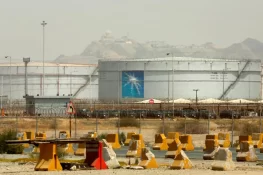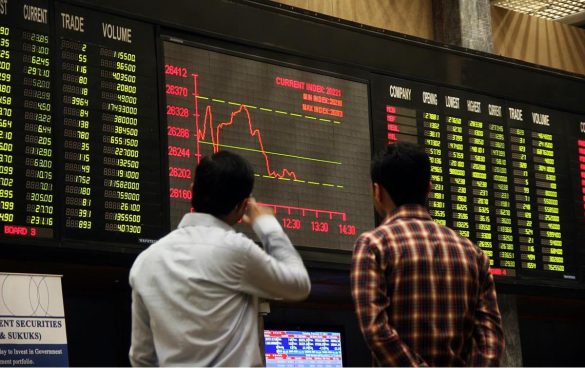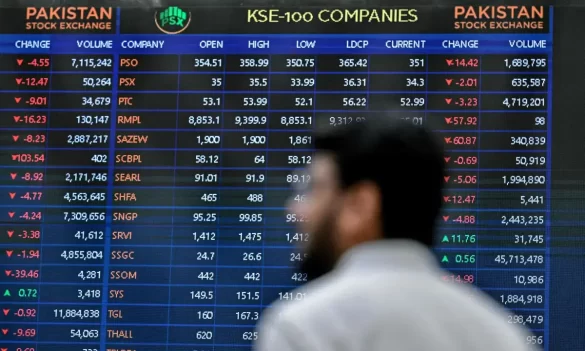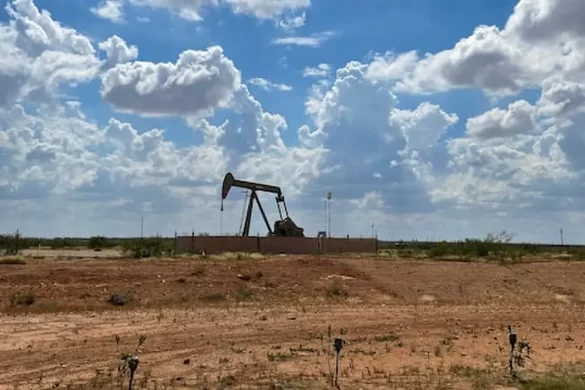
Global oil prices edged higher on Tuesday after reports that the United States had carried out strikes on Iran’s Qeshm Island, raising concerns about a possible escalation of the conflict and prolonged disruption to energy supplies from the Middle East.
US West Texas Intermediate (WTI) crude futures increased by 20 cents, or 0.21%, to $96.66 per barrel. Brent crude futures gained 3 cents, or 0.03%, to reach $104.80 per barrel by 0355 GMT.
The modest gains followed a sharp decline on Monday, when both benchmark contracts fell by more than 7% amid growing hopes that diplomatic efforts could help end the conflict involving the United States, Israel and Iran.
Qeshm Island Strikes Revive Market Concerns
According to a Wall Street Journal report citing US officials, American forces struck Iran’s Qeshm Island on Tuesday.
Some officials described the attacks as defensive operations intended to prevent Iran from freely targeting commercial vessels in the strategically important Strait of Hormuz.
The reports added fresh uncertainty to oil markets, which had begun responding positively to signs of progress in diplomatic contacts between Tehran and regional mediators.
Tim Waterer, chief market analyst at KCM Trade, said the reports had reintroduced a risk premium into oil prices.
He noted that markets had started anticipating a more diplomatic path before the latest military developments changed the outlook.
However, Priyanka Sachdeva, head of market insight at Phillip Nova, said the limited price increase suggested that a significant geopolitical risk premium was already reflected in oil prices.
She added that further gains could prove difficult to sustain without clear evidence of additional disruption to physical supplies or critical energy infrastructure.
Diplomatic Efforts Continue
Despite the latest military developments, Iran said on Monday that contacts with the United States aimed at ending the conflict were continuing.
Recent discussions involving Iranian and Qatari officials reportedly produced revised proposals but failed to achieve a breakthrough.
US President Donald Trump also expressed uncertainty about whether he would resume threatened military strikes against Iran, while indicating that a negotiated agreement remained possible.
The diplomatic developments had contributed to Monday’s sharp decline in oil prices as traders assessed the possibility of reduced tensions in the region.
Oil Refineries Share Rs15 Billion Burden to Prevent Rs15 Petrol Price Hike
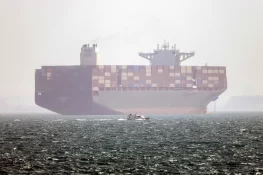
Strait of Hormuz Remains Critical to Global Oil Supplies
The conflict involving Iran, the United States and Israel, which began in late February, has significantly reduced shipping traffic through the Strait of Hormuz.
The strategic waterway previously handled approximately one-fifth of global crude oil and natural gas supplies, making any prolonged disruption a major concern for energy markets.
Brent crude had ended October at its highest level in six months amid fears that tensions in the Middle East could escalate again following the US midterm elections.
Higher oil prices have also contributed to rising petrol costs in the United States, creating additional pressure on the Trump administration to find a way to end the conflict.
Iran Signals Authority for Peace Negotiations
Iranian President Masoud Pezeshkian said Supreme Leader Ayatollah Mojtaba Khamenei had granted the government certain authorities to pursue peace negotiations.
Meanwhile, diplomatic activity is also continuing over the war in Ukraine. The United States is expected to host Russian and Ukrainian delegations in Abu Dhabi on November 10 and 11.
The discussions are expected to focus on ending the war, post-conflict security arrangements and measures to reduce military tensions.
For oil markets, developments surrounding Iran and the Strait of Hormuz remain the immediate concern. Traders are closely watching whether diplomatic efforts can prevent further military escalation and restore confidence in the region’s energy supply routes.