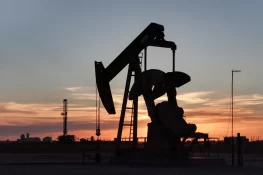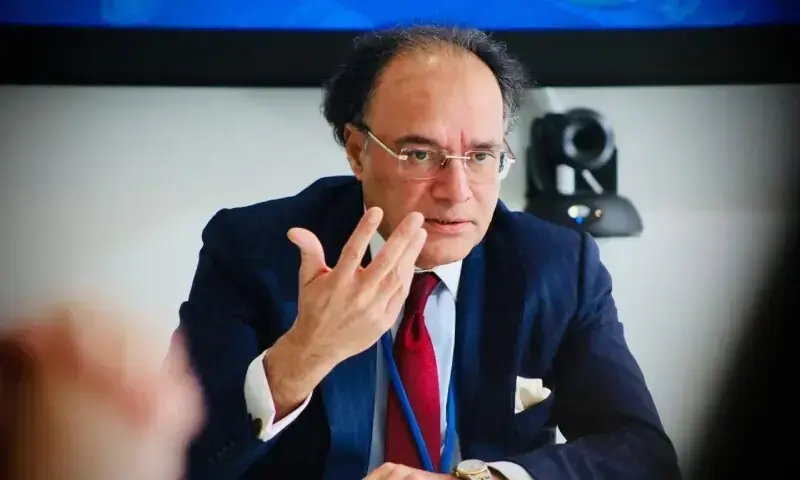
BANGKOK: Pakistan has so far managed to avoid fuel shortages and long queues at petrol stations despite a surge in global energy prices linked to the war involving Iran, Finance Minister Muhammad Aurangzeb has said.
In an interview with Agence France-Presse (AFP) on the sidelines of the International Monetary Fund (IMF) and World Bank annual meetings in Bangkok, Aurangzeb said Pakistan had secured sufficient energy supplies through November and was preparing for the winter months, when household demand typically increases.
“The first-order impact has been negotiated well by Pakistan,” he said. “We’ve had no shortage, no queues at the gas stations, and no law and order situation, which at times we have seen in some of the countries.”
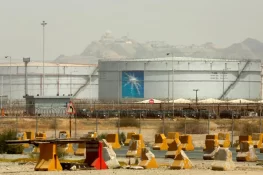
However, the minister warned that attacks on energy infrastructure in Saudi Arabia and other Gulf countries posed a growing risk to Pakistan’s longer-term economic outlook.
Pakistan prepares for winter energy demand
Aurangzeb said the government was planning ahead to ensure energy supplies remained adequate during the winter season.
He indicated that Pakistan would avoid purchasing liquefied natural gas (LNG) on the spot market unless absolutely necessary, as such cargoes can be significantly more expensive than supplies secured through existing contracts.
The government is seeking to manage energy costs while maintaining sufficient supplies for households and businesses.
Aurangzeb also highlighted the importance of adequate fertiliser availability to protect agricultural production and food security during a period of international uncertainty.
Attacks on Gulf infrastructure raise concerns
The finance minister expressed concern over the growing threat to energy facilities and other critical infrastructure across the Gulf region.
He said continued damage to these installations could prolong the economic disruption even if hostilities eventually eased.
“What is now the worrying part of it is when the energy infrastructure starts getting hit,” Aurangzeb said.
He added that continued attacks could delay a return to normal economic conditions, warning that recovery would take longer if essential infrastructure remained damaged.
Pakistan is particularly exposed to fluctuations in international energy prices because of its reliance on imported fuel and its ongoing efforts to stabilise the economy.
Pakistan continues IMF-backed reforms
Aurangzeb said Pakistan had been pursuing fiscal consolidation for some time, helping the country respond to the latest external economic pressures.
Pakistan is currently implementing a three-year, approximately $7 billion programme with the IMF. The Fund recently reached an agreement to release a further $1.2 billion tranche, according to the report.
The country has entered multiple IMF programmes since independence in 1947, including several financial rescue packages aimed at addressing balance-of-payments pressures and reducing the risk of default.
With global debt levels remaining elevated, the IMF has urged governments to strengthen public finances and pursue sustainable economic policies despite mounting external challenges.
Aurangzeb said Pakistan’s reform efforts had encountered resistance from industries, lobbying groups and other interests seeking to preserve existing arrangements.
“Every reform, everything that you try to do when you try to change the status quo, there is pushback,” he said.
Pakistan secures second Qatari LNG cargo amid gas shortage
Tax collection and economic reforms remain priorities
The finance minister said the government was working to improve tax collection, including addressing cases in which businesses allegedly collect sales tax from consumers but fail to transfer the money to government accounts.
He said such practices involved substantial sums and argued that further improvements were also needed in income tax collection.
Increasing tax revenues is a central part of Pakistan’s efforts to strengthen public finances, reduce reliance on borrowing and meet the conditions of its IMF programme.
The government has also been pursuing privatisation and greater private-sector participation in the economy.
Asked about commercial enterprises operated by the military, Aurangzeb said those businesses operated independently and profitably, adding that the government was not providing them with funding from the national exchequer.
Meetings focus on investment and debt management
During the annual meetings, Aurangzeb also held discussions with international development partners, financial institutions and IMF officials on financing, investment and Pakistan’s economic outlook.
In a meeting with United Nations Development Programme Administrator Alexander De Croo, the minister discussed development financing, climate resilience and employment generation.
The discussions included potential investment projects, blended finance, public-private partnerships and cooperation with international development institutions. They also covered possible debt-for-nature and debt-for-climate arrangements.
Aurangzeb separately met representatives of Sharjah Islamic Bank, Abu Dhabi Commercial Bank, Ajman Bank and JPMorgan to discuss Pakistan’s progress under the IMF programme and opportunities to attract investment.
Topics included potential Sukuk issuances, rupee-denominated instruments settled in dollars, further Panda Bond issuance and possible Eurobond tokenisation. The discussions also focused on replacing expensive short-term borrowing with longer-maturity financing.
IMF reviews Pakistan’s economic performance
Aurangzeb also met Jihad Azour, director of the IMF’s Middle East and Central Asia Department, to review Pakistan’s economic performance.
The discussions covered tax collection, inflation, economic growth, the current account, energy procurement and winter preparedness.
The minister outlined measures to maintain adequate energy and fertiliser supplies while highlighting efforts to strengthen foreign exchange reserves, reduce forward liabilities and extend debt maturities.
Both sides also discussed privatisation, private-sector participation and export-oriented growth, with emphasis on maintaining reform momentum and implementing agreed policies.
While Pakistan has so far avoided the immediate fuel disruptions described by Aurangzeb, the minister’s warning underscores the risks posed by prolonged regional conflict. Damage to Gulf energy infrastructure could increase import costs and complicate the country’s efforts to maintain economic stability through the winter.