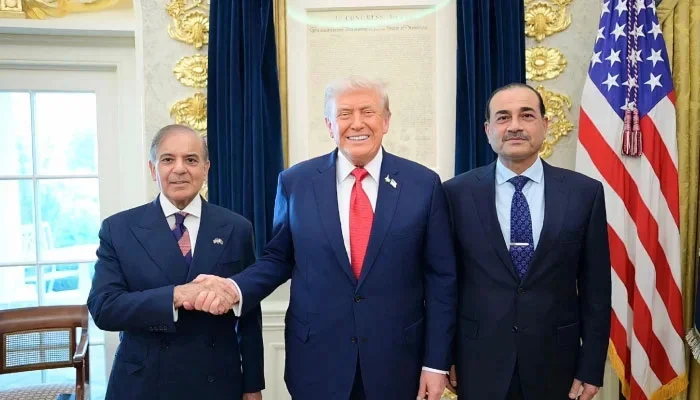
US President Donald Trump has extended the ceasefire with Iran, citing a request from Pakistan and the need to give Tehran more time to present a “unified proposal” for negotiations. The decision delays the end of the two-week truce, which had been nearing expiration.
Ceasefire Extension Linked to Diplomacy
According to Trump, the extension is intended to keep diplomatic channels open while Iran formulates its position. He described Iran’s leadership as “fractured” and suggested that additional time was necessary for meaningful engagement.
Pakistan, which has been acting as a mediator, had urged both sides to continue the ceasefire to support ongoing peace efforts. Prime Minister Shehbaz Sharif welcomed the move, calling it a positive step toward de-escalation.
Blockade Remains a Major Sticking Point
Despite extending the truce, Trump made it clear that the US blockade of Iranian ports would remain in place. The blockade has been a central issue for Tehran and a key obstacle in negotiations.
The US administration argues that maintaining pressure on Iran’s maritime trade is necessary to secure a favorable agreement. Officials have indicated that restrictions on oil exports and shipping routes are aimed at limiting Iran’s economic leverage.
Strait of Hormuz at the Center of Tensions
Trump also highlighted the strategic importance of the Strait of Hormuz, a vital global energy corridor through which a significant portion of the world’s oil and gas supplies pass. He warned that any disruption to the strait could have major financial consequences for Iran.
The waterway has remained a focal point in the conflict, with both sides viewing control and access as critical to their broader strategy.
Uncertainty Over Iran’s Response
As of now, Iran has not officially responded to the ceasefire extension. The lack of immediate reaction has added to uncertainty surrounding the next phase of negotiations.
Earlier, there had been confusion over the exact timing of the ceasefire’s expiration, but no major military escalation was reported as the deadline passed.
Talks in Islamabad Face Delays
The future of peace talks, expected to be hosted in Islamabad, remains unclear. A planned visit by US Vice President JD Vance has reportedly been postponed pending Iran’s submission of its proposal.
Security measures had already been tightened in the Pakistani capital in anticipation of the talks, reflecting the high stakes involved in the negotiations.
Trump Urges Iran to Release Women Facing Execution Amid Ongoing Tensions
Regional and Global Reactions
The ceasefire extension has been welcomed by international stakeholders, including UN Secretary-General Antonio Guterres, who expressed support for efforts to avoid further escalation.
At the same time, tensions persist on multiple fronts. Iran has warned it could target regional oil infrastructure if hostilities resume, while the US has continued enforcement actions against vessels linked to Iranian trade.
Fragile Situation on the Ground
Despite the ceasefire, reports from within Iran suggest that daily life remains difficult, with economic strain and uncertainty continuing to affect civilians.
Analysts describe the current phase as less about direct military confrontation and more about political pressure and negotiation leverage between the two sides.
The extension of the ceasefire provides a temporary pause in hostilities, but key disagreements remain unresolved. With the blockade still in place and no confirmed proposal from Iran, the path to a lasting agreement remains uncertain.
For now, the situation reflects a delicate balance — one where diplomacy is still possible, but tensions remain close to the surface.