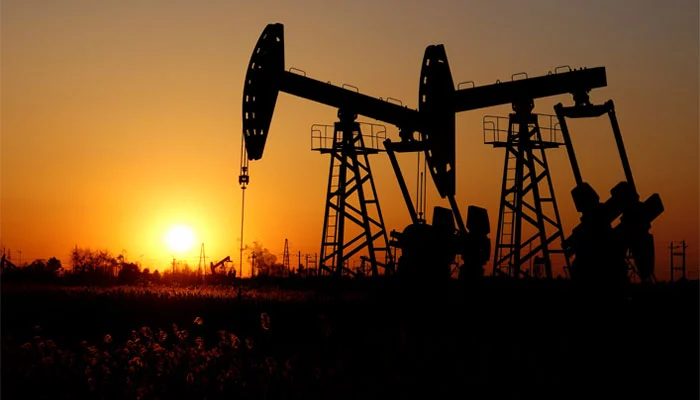
Oil prices climbed again on Tuesday as geopolitical tensions in the Middle East showed no signs of easing. Major crude contracts rose over 2 percent, approaching the $100-per-barrel mark, reversing some of the previous day’s losses. The surge comes amid US calls for allies to secure the strategic Strait of Hormuz, which Iran has effectively restricted, and ongoing attacks on oil-producing facilities across the region.
The International Energy Agency (IEA) had earlier indicated that member nations could release more oil from strategic reserves if needed, after a record 400 million barrels were already agreed for release last week. While this initially contributed to Monday’s price dip, Tuesday saw prices rebound as the broader crisis continued.
Political Responses and Global Reactions
US President Donald Trump urged allies in Europe and Asia to help secure the Strait of Hormuz, calling the waterway’s protection “a team effort.” However, his calls received a lukewarm response. German Chancellor Friedrich Merz stated that the conflict sparked by US-Israeli strikes on Iran “is not a matter for NATO,” while Britain, Spain, Poland, Greece, and Sweden distanced themselves from the request. Australia and Japan also declined to participate.
Trump warned that a refusal to assist would be “very bad for the future of NATO” and indicated that he had requested a postponement of a summit with Chinese President Xi Jinping by about a month due to the crisis.
Attacks and Regional Security Threats
The Middle East continued to witness escalating military activity. On Monday, drones struck key oil fields in the United Arab Emirates and Iraq, while Israel conducted a “wide-scale wave of strikes” targeting Tehran and Hezbollah positions in Beirut. Early Tuesday, a drone and rocket attack targeted the US embassy in Baghdad, according to security officials.
Impact on Global Markets
Despite rising oil prices and geopolitical risks, equity markets showed resilience. Technology stocks, particularly Nvidia, boosted investor confidence, with the company projecting at least $1 trillion in revenue by 2027. Asian markets, including Seoul, Tokyo, Hong Kong, Shanghai, Sydney, Singapore, Taipei, and Manila, recorded strong gains. Seoul led the region, largely driven by growth in chipmakers Samsung and SK hynix. Wall Street also closed comfortably higher across all three major indices.
Analysts, however, remain cautious. Chris Weston of Pepperstone noted that while the market rally continues, conviction remains “relatively low,” emphasizing that these developments cannot yet be seen as a definitive easing of energy risk premiums.
Iranian Sea Mines: A Strategic Threat to the Strait of Hormuz
With no immediate resolution in sight, energy markets remain highly sensitive to geopolitical developments. Analysts expect that upcoming central bank decisions could also influence market dynamics, as interest rate adjustments may be used to offset inflationary pressures from rising crude prices.