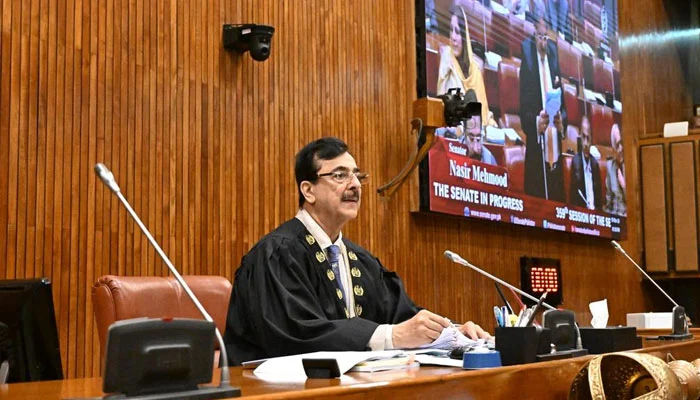
ISLAMABAD: The Senate Secretariat has responded to recent media reports regarding the purchase of a Land Cruiser for Senate Chairman Yousaf Raza Gilani, calling them “misleading and factually incorrect.” According to a spokesperson, the vehicle was acquired in May 2025 during the 2024–2025 financial year through a “transparent procurement process” as part of a broader vehicle replacement programme.
The acquisition also included replacement vehicles for the chairpersons of standing committees, the Senate Deputy Chairman, the Leader of the House, the Leader of the Opposition, and other Secretariat officials.
Timeline and Payment Details
The spokesperson clarified that although the payment for the Land Cruiser was made from the previous year’s budget savings in May 2025, the vehicle was actually delivered in March 2026. This, the Secretariat emphasized, demonstrates that the purchase followed proper budgetary procedures and timelines.
“The Senate Secretariat’s attention was drawn to certain media reports regarding the purchase of a Land Cruiser for the Chairman of the Senate, Gilani. These reports are misleading, factually incorrect, and appear to be based on incomplete information and mala fide intentions,” the spokesperson stated.
“The Senate Secretariat categorically rejects these baseless insinuations and urges media organizations to exercise due diligence and professional responsibility in reporting matters related to state institutions.”
NAB Challenges LHC Order on Maryam Nawaz in Chaudhry Sugar Mills Case
Opposition and Public Concerns
Commenting on the media coverage, a senator from the treasury benches, speaking on condition of anonymity, expressed concern over the timing of the purchase. The senator said that the expenditure appeared unnecessary, particularly in a national context where over 70 million people live below the poverty line amid rising inflation.
The remarks reflect ongoing public sensitivity regarding government spending on official vehicles and the perceived disconnect between such expenditures and the economic challenges faced by ordinary citizens.
Conclusion
While the Secretariat defends the purchase as part of a planned and transparent programme, questions from media outlets and public stakeholders highlight the delicate balance between administrative needs and public perception, particularly in times of economic hardship.