ISLAMABAD: Iran and the United States have received a Pakistan-formulated framework aimed at ending hostilities, with an immediate ceasefire and a broader settlement proposed, sources said Monday.
The plan, reportedly dubbed the “Islamabad Accord,” was exchanged overnight through Pakistan, acting as the sole communication channel in the talks. It outlines a two-tier approach: an instant ceasefire followed by negotiations on a comprehensive agreement, potentially reopening the Strait of Hormuz.
“All elements need to be agreed today,” a source familiar with the discussions told Reuters.
Diplomatic Engagements
Pakistan’s Chief of Army Staff, Field Marshal Asim Munir, maintained continuous contact throughout the night with US Vice President JD Vance, US special envoy Steve Witkoff, and Iranian Foreign Minister Abbas Araghchi to facilitate the proposal.
The ceasefire is designed to take effect immediately, while a 15–20 day period is allotted to finalize the broader settlement. Final in-person negotiations are expected to take place in Islamabad, establishing a regional framework for the Strait of Hormuz.
Strait of Hormuz Sees Dramatic Shipping Decline Amid Conflict
Iran’s Response
Tehran has received Pakistan’s proposal but has not committed, emphasizing it will not accept deadlines or temporary arrangements without guarantees. A senior Iranian official stated that a temporary ceasefire alone would not prompt reopening of the strait and that Tehran seeks a permanent ceasefire with assurances against future attacks by the US and Israel.
The eventual agreement could include Iranian commitments not to pursue nuclear weapons, in exchange for sanctions relief and the release of frozen assets, sources said.
Global Context
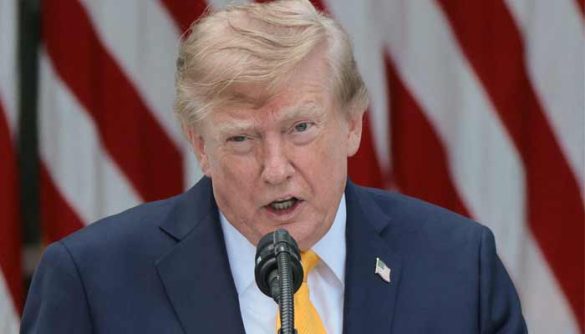
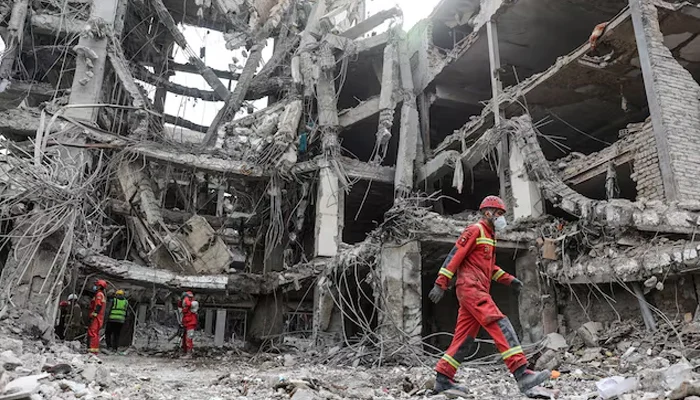
The initiative comes amid escalating hostilities that have disrupted shipping through the Strait of Hormuz, a vital global oil corridor. US President Donald Trump has publicly urged a rapid resolution, warning of consequences if a ceasefire is not reached promptly.
Energy markets remain volatile, with traders closely monitoring diplomatic developments that could impact global oil flows.