The United States carried out fresh military strikes targeting Iranian drone operations near the strategic Strait of Hormuz, a US official confirmed, even as diplomatic tensions deepened following President Donald Trump’s rejection of reports claiming progress on a maritime deal with Iran.
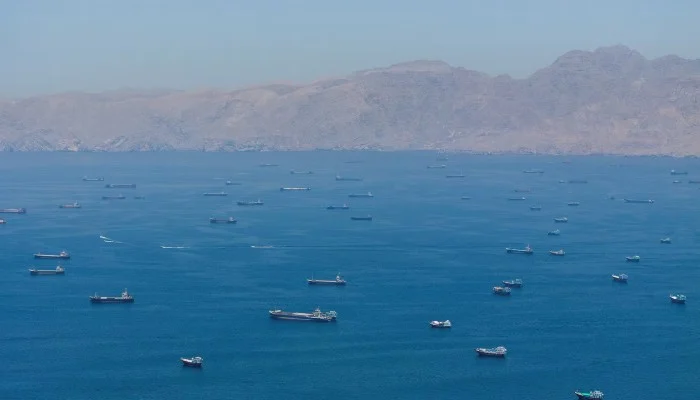
The strikes come amid ongoing instability in the region, where conflict has already disrupted global energy flows and sharply reduced shipping traffic through one of the world’s most important oil routes.
US Claims Defensive Action Against Drone Threat
According to the US military, the latest operation targeted an Iranian drone launch site in the port city of Bandar Abbas. The military reportedly shot down four Iranian attack drones and struck a ground control station that was allegedly preparing to launch a fifth.
A US official described the action as “measured and purely defensive,” stating that it was intended to protect both American forces and commercial shipping in the region. The operation followed earlier strikes earlier in the week, which Washington also described as defensive measures within the framework of an existing ceasefire.
Iranian media, however, presented a different version of events, claiming that US forces responded after Iranian naval units fired warning shots at a vessel attempting to transit the Strait. Tehran said no casualties were reported.
Dispute Over Hormuz Deal Intensifies
The escalation follows conflicting reports about a possible agreement concerning the Strait of Hormuz, a critical shipping lane that handles a significant portion of global oil and liquefied natural gas exports.
President Donald Trump dismissed Iranian media claims of an emerging arrangement, insisting that no country would be allowed to control the waterway. He also rejected suggestions that Oman would jointly manage shipping under a proposed framework.
At a cabinet meeting, Trump said the strait remains international waters and issued sharp warnings regarding any unilateral control attempts. His remarks added further uncertainty to already fragile negotiations.
Iran Rejects Pressure, Stands Firm on Nuclear Position
Iranian officials maintained that Tehran will not accept pressure on key national issues, including uranium enrichment and sanctions relief. Iranian lawmakers and officials said the country’s core demands remain unchanged despite US military action and diplomatic pressure.
A senior Iranian parliamentary official said Washington was attempting to shift between threats and negotiations in order to break a strategic deadlock, but insisted that Iran would continue to defend its interests.
Trump Urges Pakistan and Regional States to Support Israel Peace Framework During Iran Talks
Broader Regional and Global Impact
The Strait of Hormuz has seen a dramatic decline in shipping traffic since the outbreak of hostilities earlier in the year. Reports suggest crossings have dropped significantly compared to pre-conflict levels, reflecting heightened risk and insurance costs for commercial shipping.
The ongoing conflict, which began with US-Israeli strikes in February 2026, has already caused thousands of casualties and contributed to volatility in global energy markets.
US crude oil prices briefly rose following news of the latest strikes, highlighting continued market sensitivity to developments in the Gulf region.
Uncertain Path Ahead
Despite intermittent diplomatic efforts and reported ceasefire arrangements, both sides remain far apart on key issues, including Iran’s nuclear program, sanctions relief, and control over strategic waterways.
With military actions continuing alongside stalled negotiations, analysts warn that the situation around the Strait of Hormuz remains one of the most dangerous geopolitical flashpoints affecting global stability and energy security.