The federal government has announced another sharp increase in fuel prices, raising petrol and high-speed diesel (HSD) rates by nearly Rs15 per litre. The new prices will take effect from May 9, according to an official notification issued by the Petroleum Division.
This marks the third consecutive weekly hike, adding further pressure on consumers already facing inflation and rising living costs.
New Fuel Prices Announced
Under the latest revision:
- Petrol price has increased from Rs399.86 to Rs414.78 per litre (up by Rs14.92)
- High-speed diesel has risen from Rs399.58 to Rs414.58 per litre
At the same time, the government has also adjusted petroleum levies, which contribute significantly to fuel pricing:
- Petrol levy increased from Rs103.50 to Rs117.41 per litre
- Diesel levy increased from Rs28.69 to Rs42.60 per litre
Officials said the revision reflects ongoing fiscal adjustments and changing global market conditions.
Kerosene Oil Price Reduced
In contrast to petrol and diesel, the price of kerosene oil has been reduced significantly:
- Reduced by Rs41.80 per litre
- New price fixed at Rs318.96 per litre
This cut is expected to provide some relief to households in rural and low-income areas where kerosene is still widely used for cooking and lighting.
Global Oil Market Pressures
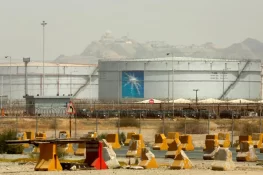
The price adjustments come amid volatility in the international crude oil market. Global oil prices recently rose by more than 1%, driven by renewed geopolitical tensions between the United States and Iran, which have raised concerns over supply stability.
Brent crude briefly climbed above $101 per barrel, while US West Texas Intermediate (WTI) also recorded gains. Analysts say fears surrounding potential disruptions in the Strait of Hormuz, a key global oil transit route, have added upward pressure on prices.
IMF Releases $1.32 Billion to Pakistan as Reform Progress Strengthens Economic Stability
Impact on Inflation and Daily Life
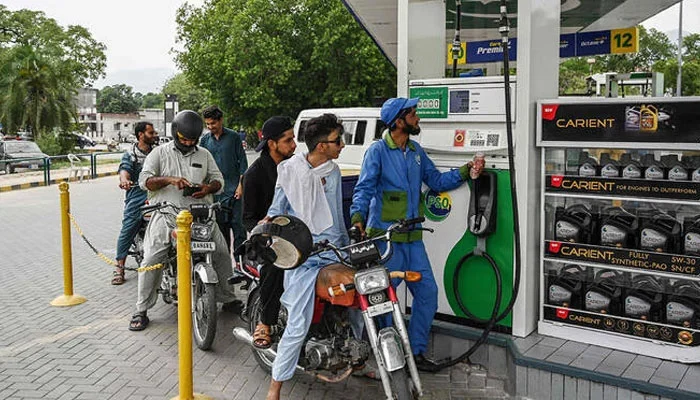
Fuel price changes in Pakistan have a direct impact on inflation. Petrol is primarily used in:
- Motorcycles
- Rickshaws
- Small private vehicles
This means that middle- and lower-income households are immediately affected by daily commuting costs.
Diesel, on the other hand, plays a more critical role in the economy. It powers:
- Trucks and goods transport
- Buses and trains
- Agricultural machinery such as tractors and tube wells
As a result, any increase in diesel prices often leads to higher transportation costs, which eventually pushes up the prices of food items and other essential goods.
Ongoing Weekly Price Review
The government has been reviewing petroleum prices on a weekly basis, typically every Friday night, in line with fluctuations in the international oil market and exchange rate movements. Officials argue that this mechanism helps align domestic prices with global trends, although it continues to spark public concern due to its inflationary impact.
The latest fuel price hike adds further strain on households and businesses already dealing with economic pressure. While kerosene users have received some relief, the increase in petrol and diesel is expected to have broader inflationary effects across transport, agriculture, and food supply chains in the coming weeks.